Tired of Losing Money on Fundraisers? You’re Not Alone
Here’s the hard truth: too many small community organizations work really hard on fundraising and barely break even. Sound familiar? You organize a car wash, sell a few tickets to a raffle, and hope for the best. But when you add up the costs — supplies, venue rentals, printing flyers — the numbers hardly justify the effort.
The good news? It doesn’t have to be this way. We’ve seen firsthand how small nonprofits, cultural groups, and volunteer clubs can run smarter, more impactful fundraisers. Below are seven practical ideas tailored for groups like yours. And yes, each one works.
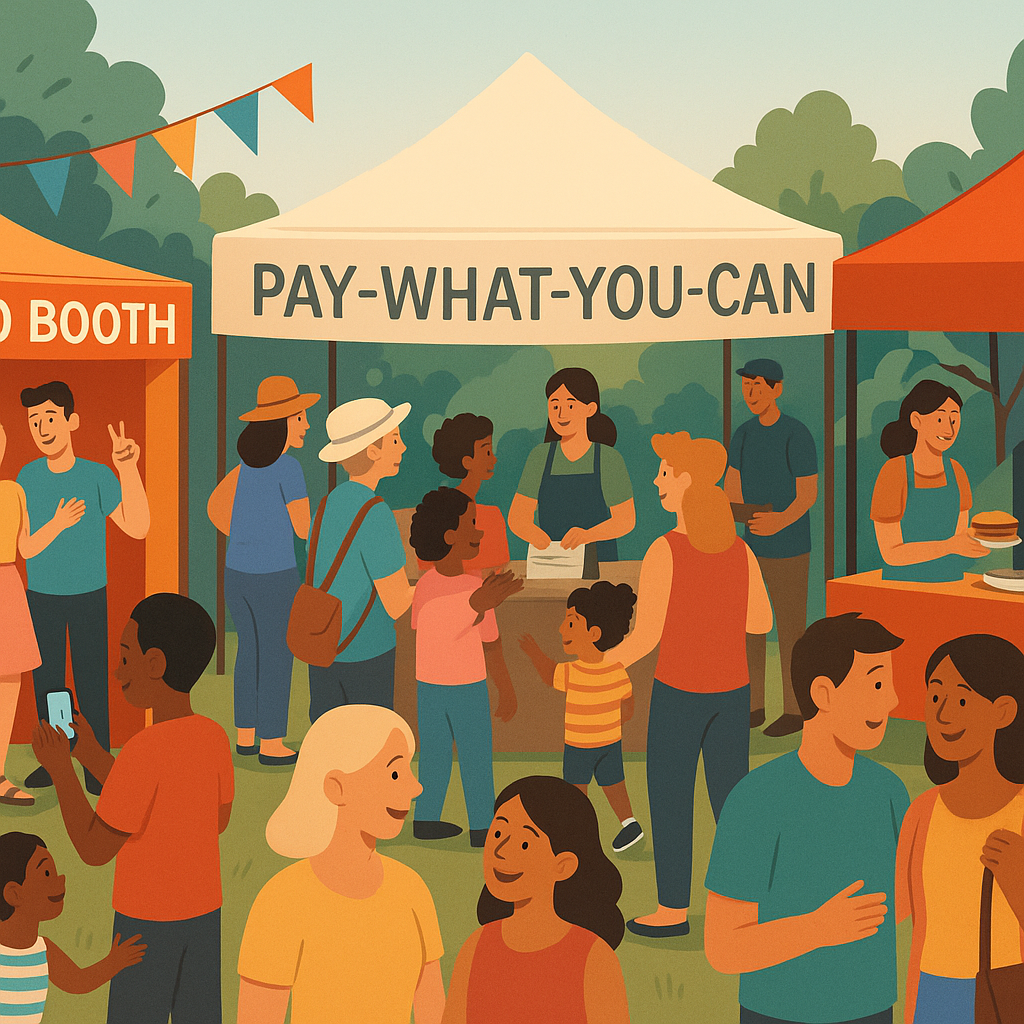
1. Pay What You Can (PWYC) Events
Let’s start with something unconventional: flexible ticket pricing. Instead of charging a flat $20 for event tickets, let attendees pay what they can afford. You’ll be surprised how well this works.
Here’s why: PWYC appeals to a wider audience. People who can’t afford a full-price ticket still show up, and those who can afford more often give generously. In fact, organizations using PWYC models report up to 30% higher ticket revenue compared to fixed pricing.
Example:
A local community theater in Portland implemented PWYC for their weekend performances. They suggested $15 as the standard price but allowed attendees to choose their contribution. Surprisingly, nearly 40% of attendees opted to pay more than $20, resulting in a 25% revenue increase overall.
Actionable Tips:
- Set Suggested Tiers: Recommend price points, such as $10, $20, and $50, to guide attendees.
- Leverage Digital Tools: Platforms like CommunityTix make PWYC simple by automating payments and tracking contributions.
- Communicate the Value: Clearly explain where the money goes. Transparency motivates generosity.
2. The “Local Legends” Auction
Forget generic silent auctions. Instead, auction off experiences tied to your community. Think lunch with the mayor, a behind-the-scenes tour of a local museum, or a cooking class with a neighborhood chef. People love unique, personal experiences — and they’re willing to pay for them.
Case Study:
A small nonprofit in Atlanta raised $8,000 at their annual fundraiser by offering exclusive experiences like "Dinner with the Fire Chief" and "Private Yoga Class at City Hall." The key? They tapped into their network of local influencers and leaders to secure the experiences for free.
Actionable Tips:
- Survey Your Members: Use your member database to identify potential donors who can contribute unique prizes.
- Partner with Local Businesses: Restaurants, gyms, and spas often donate services in exchange for recognition.
- Create Buzz: Promote your auction on social media with sneak peeks of the prizes.
3. Recurring Donor Challenges
One-time donations are great, but recurring donations build stability. Here’s an idea: challenge your members to recruit five friends or family members to sign up as monthly donors. Incentivize participation with small prizes or public recognition.
Why It Works:
Organizations that focus on recurring donors see 34% higher retention rates, according to CommunityTix’s case studies. And here’s the kicker: those donors typically give up to 42% more over time.
Actionable Steps:
- Start Small: Set a realistic goal, like 10 new recurring donors in 30 days.
- Track Progress Publicly: Use a progress bar on your website or social media to show how close you are to your goal.
- Celebrate Milestones: Recognize top recruiters with shout-outs or small rewards (like gift cards).
4. “Pop-Up” Fundraisers at Events
Already hosting an event? Add a quick, low-effort fundraiser on-site. For example, set up a photo booth with props and charge $5 per photo. Or hold a mini raffle with $1 tickets. It’s a great way to raise extra cash without major planning.
Example:
At a local summer fair, a volunteer group raised $500 in two hours by selling face-painting sessions for $3 each. The materials cost under $50, leaving them with a significant profit.
Actionable Tips:
- Keep It Simple: Focus on low-cost, high-impact activities like raffles, games, or food sales.
- Use Technology: Platforms like CommunityTix let you track cash collections and card payments, so every dollar is accounted for.
- Leverage Foot Traffic: Position your fundraiser near the event’s main attractions to maximize visibility.
5. Skill-Share Classes
Tap into the expertise within your community. Does someone know how to knit, bake, or fix bikes? Host a workshop and charge a small fee. People are eager to learn new skills, especially when it supports a good cause.
Case Study:
A youth organization in Seattle hosted a series of Saturday workshops, including "Introduction to Photography" and "Sourdough Bread Basics." Over three weekends, they raised $2,500 while building relationships with attendees.
Actionable Tips:
- Offer Tiered Pricing: Charge a standard fee but allow attendees to pay extra for a "VIP" experience (e.g., one-on-one time with the instructor).
- Bundle Classes: Offer discounts for attendees who sign up for multiple workshops.
- Follow Up: Use the opportunity to invite participants to future events or volunteer opportunities.
6. Themed Fun Runs with a Twist
Yes, fun runs can feel overdone. But what if you added a unique twist? Think costume runs, glow-in-the-dark runs, or even a “reverse” run where participants start at the finish line.
Example:
A school PTA organized a “Superhero Sprint,” where everyone dressed as their favorite superhero. With registration fees and T-shirt sales, they raised $10,000 in one morning.
Actionable Tips:
- Partner with Local Sponsors: Ask businesses to sponsor water stations, T-shirts, or prizes.
- Offer Early-Bird Discounts: Incentivize participants to register early.
- Use Social Media: Create a hashtag for runners to share photos and promote your event.
7. Crowdfunding with a Deadline
Crowdfunding works best when there’s a clear goal and tight timeline. Maybe you need $5,000 for new equipment or to fund scholarships. Set a 30-day deadline and promote it relentlessly.
Case Study:
A cultural dance troupe raised $7,000 in 28 days to cover travel expenses for an international competition. They shared daily updates on social media, including behind-the-scenes rehearsal footage, to keep donors engaged.
Actionable Tips:
- Tell a Story: Create a compelling narrative around your goal.
- Use Video: Campaigns with videos raise 105% more than those without.
- Update Frequently: Keep supporters informed with progress updates and milestones.
Comparison Table: Fundraising Ideas at a Glance
| Idea | Effort Level | Cost to Execute | Revenue Potential | Best For |
|---|---|---|---|---|
| PWYC Events | Medium | Low | High | Events with diverse audiences |
| Local Legends Auction | High | Low | High | Engaged communities |
| Recurring Donor Challenge | Low | None | High | Building donor bases |
| Pop-Up Fundraisers | Low | Low | Medium | Existing events |
| Skill-Share Classes | Medium | Low | Medium to High | Hands-on communities |
| Themed Fun Runs | High | Medium | High | Active, family-friendly groups |
| Crowdfunding | Medium | Low | High | Clear, time-sensitive goals |
FAQs
1. What if my audience doesn’t like Pay What You Can pricing?
It’s worth testing. Start with a single event and offer suggested price points to guide attendees. You might be surprised by how many people choose to pay more than the minimum.
2. How do I find local sponsors for my events?
Start with businesses that already support your mission. Local cafes, gyms, and stores often love sponsoring community events — especially if you give them shout-outs on social media or event flyers.
3. What’s the easiest fundraiser to start with?
Pop-up fundraisers are a great entry point. They require minimal planning and can be added to events you’re already hosting.
4. How can I promote a crowdfunding campaign effectively?
Leverage every channel you have: email, social media, and in-person events. Share updates often and include visuals or videos to keep people engaged.
5. What makes CommunityTix different from other platforms?
Zero platform fees, built-in PWYC pricing, and all-in-one tools (ticketing, member management, blogs). Plus, it’s open-source — you own your data.