Setting a New Standard for Conscious Inclusion in Events
When it comes to event design, inclusion is often reduced to physical accessibility. Ramps, elevators, and large-print programs are important—but they’re not enough. Mental health is a significant barrier we still don’t talk about enough in event planning. Addressing mental health needs in event design is a game-changer, proving that inclusion means accounting for everyone’s needs, not just those we can see.
But what does this actually look like in practice? Let’s break it down.
Why Mental Health in Events Matters
Mental health challenges don’t take a day off when someone attends an event. Anxiety, sensory overload, or financial stress can stop people from showing up—or make them regret it if they do. According to the Mental Health Foundation, one in four adults in the UK experiences a mental health issue each year. That’s a quarter of your potential attendees who may have invisible barriers.
Inclusive event design acknowledges these challenges. It’s not just about physical accessibility—it’s about creating an environment where attendees feel safe, supported, and welcome.
Conscious Inclusion Strategies: What Can We Learn?
1. Flexible Ticket Pricing to Reduce Financial Stress
Money is often a hidden stressor for attendees. Many community organisations still use fixed ticket prices, which can exclude those on tight budgets. Equity-focused pricing strategies, such as Pay What You Can (PWYC), can make events more accessible.
Platforms like CommunityTix support PWYC pricing, letting attendees choose from up to three suggested tiers—or enter their own amount. For example, you could offer tickets at £5, £10, and £20, or let people pay what they feel comfortable with. This approach isn’t just about affordability; it’s about dignity. No one has to ask for a special discount or feel embarrassed about what they can afford.
Flexible pricing can be particularly impactful for cultural associations, volunteer-run clubs, and non-profits hosting inclusive events. It’s a simple way to remove barriers while still meeting revenue goals.
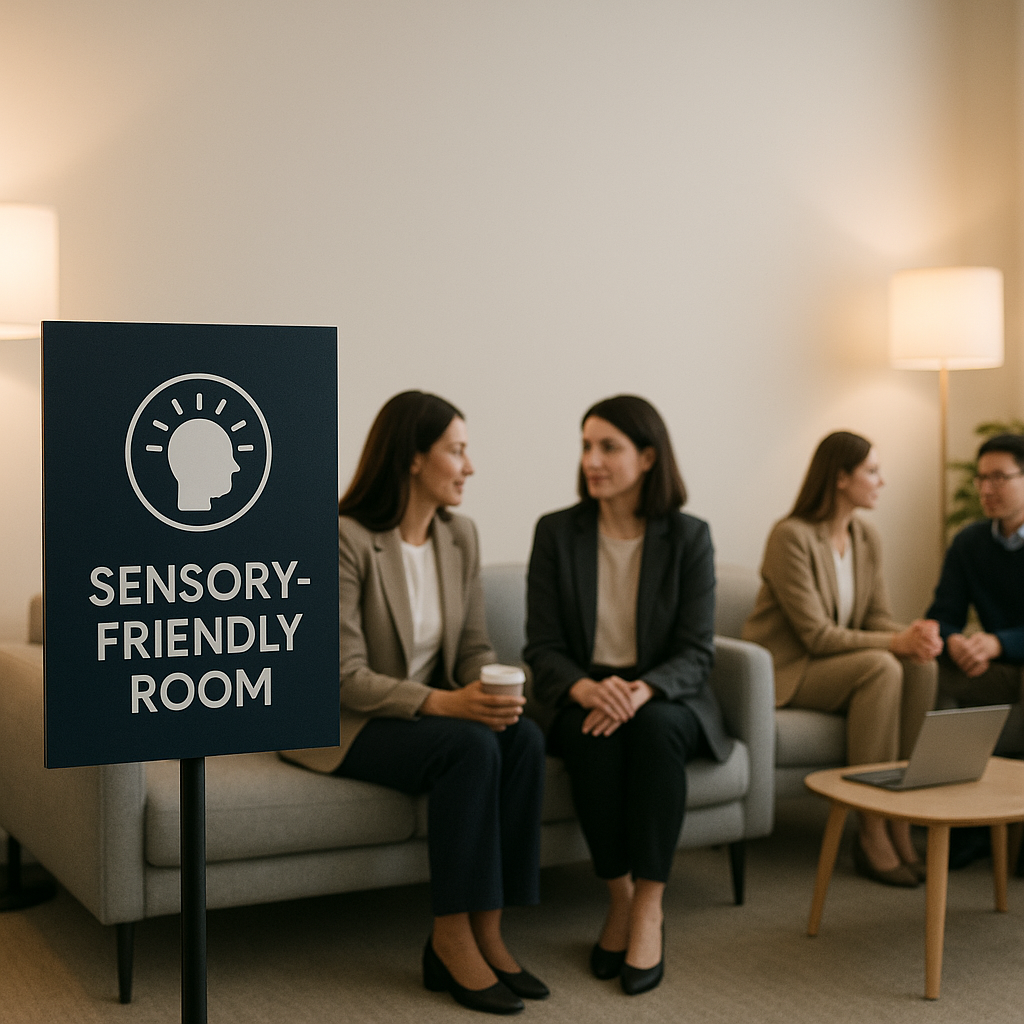
2. Sensory-Friendly Spaces
Another key part of conscious inclusion is creating environments that cater to diverse sensory needs. For example, offering smaller breakout zones, low-light areas, or providing headphones to dampen sound can help attendees who may feel overwhelmed in crowded or noisy spaces.
3. Clear, Transparent Communication
Anxiety thrives in uncertainty. That’s why detailed event communication matters. Practices like pre-event guides with clear instructions, schedules, and even sneak peeks of the venue layout can help attendees feel prepared and reduce last-minute stress.
If your organisation struggles with communication chaos—endless email chains, fragmented spreadsheets, or missed updates—centralizing everything on one platform can help. Platforms like CommunityTix allow you to manage RSVPs, send automatic confirmation emails, and even share event flyers in one place.
Practical Tips for Inclusive Event Design
Want to make your own events more inclusive? Start with these steps:
- Survey your audience: Ask attendees directly about their needs. Include questions about mental health and sensory preferences.
- Offer flexible pricing: Use PWYC to make tickets accessible to everyone. CommunityTix makes this easy to set up.
- Provide quiet spaces: Dedicate a room or corner for attendees to decompress.
- Communicate early and often: Share schedules, FAQs, and clear instructions well in advance.
- Train your staff: Educate volunteers and team members on how to support attendees facing mental health challenges.
FAQ: Common Questions About Mental Health and Event Inclusion
Q: How can I accommodate attendees with anxiety? Provide quiet zones, limit overwhelming visuals or sounds, and share detailed pre-event guides. Platforms like CommunityTix can help streamline communication.
Q: What if flexible pricing cuts into revenue? PWYC often balances out—those who can afford more often pay more. CommunityTix lets you suggest pricing tiers to guide attendees toward fair contributions.
Q: Do smaller events really need to focus on inclusion? Yes. Inclusion isn’t just for large conferences; even a small community event can benefit from conscious design. It helps everyone feel welcome and builds trust for future events.
Final Thoughts
Inclusive event design isn’t just for big organisations. Mental health, flexible pricing, and accessible communication should be standard across all events. Let’s make mental health a priority—not an afterthought.