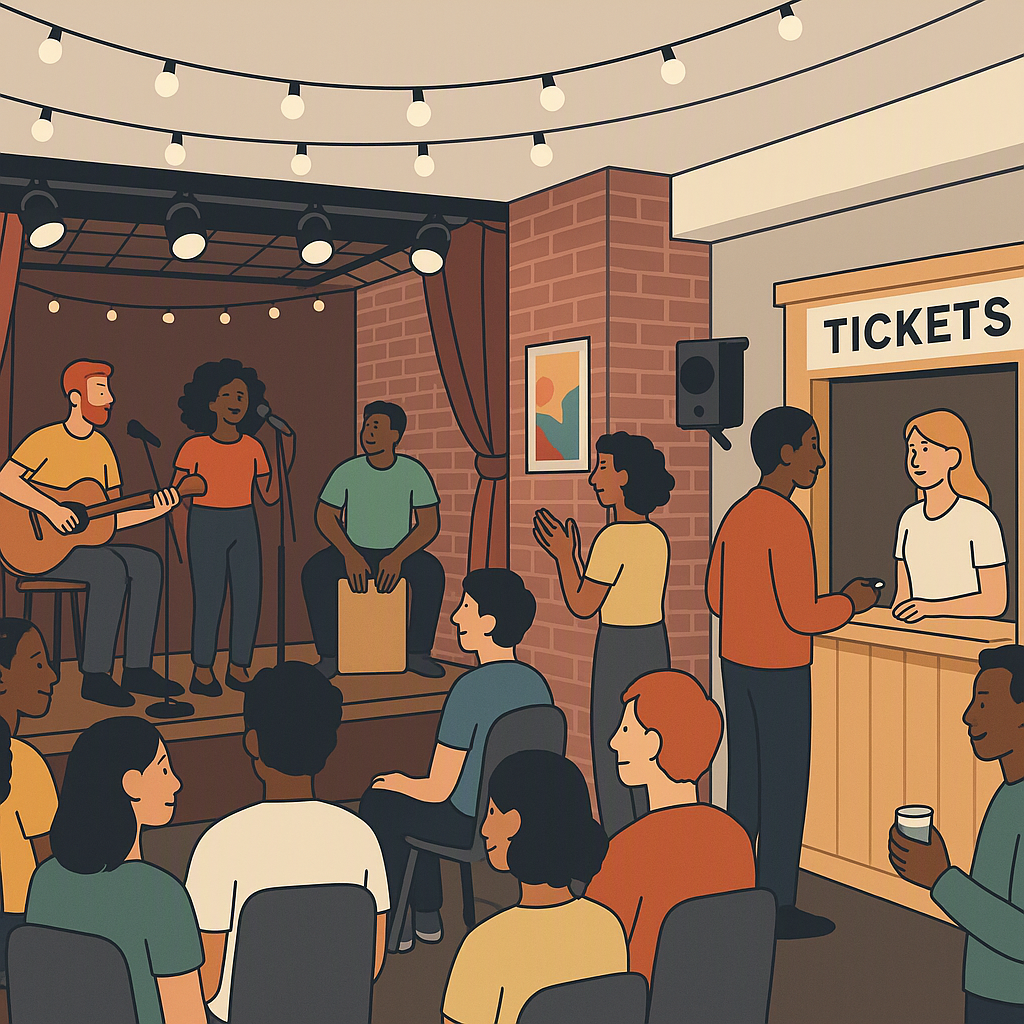
The Big Shift at Music Venue Trust
Earlier this year, Music Venue Trust (MVT) restructured its leadership team. Why? To prepare for growth. They’ve spent years advocating for grassroots music venues, but the next stage is all about scaling impact. Their goal seems clear: build long-term sustainability while protecting the UK's independent music scene.
Sound familiar? It should. Nonprofits everywhere face the same challenge: how to scale without losing sight of their mission. For MVT, this meant investing in leadership, creating a stronger foundation, and doubling down on tools that centralise operations.
What does that mean for smaller nonprofits? Plenty. Let’s break it down.
Why Fragmented Tools Hold You Back
Most nonprofits don’t start with a plan to scale. You begin with a vision: a community to serve, a cause to fight for. But as you grow, things get messy. Spreadsheets, email threads, and cobbled-together tools become an operational nightmare.
Breaking Down the Problem
Take event management. Maybe you’re tracking RSVPs in Google Sheets, sending manual email reminders, and juggling payments through a mix of PayPal and cash at the door. It works—barely—until it doesn’t. Here’s what can happen:
- Volunteer burnout: Manually managing multiple tools takes time and energy. Volunteers often become overwhelmed, leading to high turnover.
- Missed opportunities: Without a centralised database, it’s easy to lose track of potential donors, attendees, or volunteers.
- Operational chaos: Double bookings, lost payments, and miscommunication can derail events.
The Tipping Point
For many nonprofits, the moment of reckoning comes when growth demands more complex operations. You can’t serve a larger audience or run multiple programs without better systems in place. That’s why centralisation matters. MVT’s leadership changes reflect the same principle: if you don’t streamline, you can’t grow.
Actionable Steps to Address Fragmentation
- Audit Your Current Tools: List every tool your team uses for ticketing, communication, payments, and event management. Identify overlaps and inefficiencies.
- Identify Bottlenecks: Are payments delayed? Is volunteer coordination taking too long? Pinpoint the biggest pain points in your workflow.
- Prioritize Integration: Look for tools that can seamlessly integrate with existing systems or replace multiple tools at once.
Centralised Tools: The Key to Scaling Impact
MVT isn’t just rethinking leadership—they’re investing in systems. For smaller nonprofits, the equivalent step might be adopting a platform that consolidates event ticketing, member management, and payments. Let’s explore why this is critical:
Benefits of Centralisation
-
Reduced Costs: Many platforms charge lower fees compared to piecemeal solutions. For example, instead of paying separate fees for ticketing, email marketing, and donor management tools, a unified system often bundles these features for less.
-
Time Savings: Volunteers and staff stop wasting time switching between tools or manually reconciling data. A single platform automates these tasks.
-
Improved Experience for Attendees: Attendees benefit from seamless registration, consistent communication, and easy payment options—all of which reflect positively on your organization.
A Practical Scenario
Imagine you’re running five events a year: two free community workshops, two ticketed fundraisers, and one large festival. Here’s how centralised tools make a difference:
| Challenge | Traditional Approach | Centralised Solution |
|---|---|---|
| Ticketing Fees | Separate fees for each platform | Lower or bundled fees |
| RSVP Management | Manual tracking in spreadsheets | Automated guest count tracking |
| Donor Engagement | No integration between ticketing and donor database | Unified system for tracking and follow-ups |
| Volunteer Coordination | Confusion with multiple tools | Streamlined task assignments and communication |
By centralising, you not only save money but also reduce errors and create a smoother experience for everyone involved.
Tools to Consider
Some popular platforms nonprofits use include:
- Eventbrite: Great for ticketing and event registration, but fees can add up for smaller groups.
- Donorbox: Combines fundraising and donor management with event ticketing.
- Sumac: A comprehensive CRM with event management features.
How to Choose the Right Tool
- Define Your Needs: Are you focused on reducing costs, automating workflows, or improving donor engagement? Prioritize features based on your goals.
- Compare Costs: Look beyond upfront pricing. Consider payment fees, scalability, and hidden costs like training time.
- Test Before Committing: Many platforms offer free trials. Use these to evaluate ease of use and compatibility with your operations.
Flexible Pricing Builds Equity
One of the smartest strategies nonprofits can adopt is flexibility in pricing. Grassroots music venues, much like nonprofits, operate in diverse communities. Fixed pricing doesn’t always work. That’s why nonprofits should embrace models like Pay What You Can (PWYC).
Why PWYC Works
With PWYC pricing, you set suggested price points but let attendees decide what they can afford. Here’s why this matters:
-
Inclusive Participation: Fixed prices can exclude people who can’t afford them. PWYC ensures that everyone, regardless of financial situation, can attend.
-
Higher Revenue Potential: Surprisingly, many attendees choose to pay more than the suggested price when they understand the value of the event or cause.
-
Community Building: PWYC fosters goodwill and strengthens relationships with your audience, who feel valued and respected.
How to Implement PWYC
Here’s a step-by-step guide:
-
Set Suggested Price Points: Provide a range (e.g., $10, $20, $50) to anchor attendee contributions.
-
Explain the Value: Be transparent about the costs of running the event and where the money goes. This encourages generosity.
-
Track Contributions: Use a centralised platform to monitor payments and gather insights for future events.
PWYC vs. Fixed Pricing
| Feature | Fixed Pricing | Pay What You Can |
|---|---|---|
| Inclusivity | Limited to those who can afford set fees | Accessible to all income levels |
| Revenue Variability | Predictable but capped | Potential for higher contributions |
| Community Impact | Neutral | Builds goodwill and trust |
Leadership is About Systems, Not Just People
MVT’s leadership shift is a reminder: scaling impact isn’t just about hiring the right people. It’s about building the right systems. You can have the most passionate team in the world, but if they’re stuck in a web of fragmented tools, they’ll struggle.
Signs You Need Better Systems
- Separate tools for ticketing, blogging, and membership are causing inefficiencies.
- Spreadsheets that don’t sync make it hard to share accurate information.
- Manual processes for payments or communications drain time and energy.
Steps to Build Stronger Systems
- Start Small: Replace the most time-consuming tool first. For example, if ticketing is your biggest pain point, find a platform that handles it well.
- Train Your Team: Invest time in onboarding staff and volunteers. The smoother the transition, the quicker the benefits.
- Monitor Results: Track metrics like volunteer hours saved, event attendance, and revenue to measure impact.
If you’re ready to take control of your events, memberships, and payments, explore centralised platforms that can help streamline operations and free up your team to focus on your mission. Remember: the right systems aren’t just an operational upgrade—they’re a foundation for long-term growth.