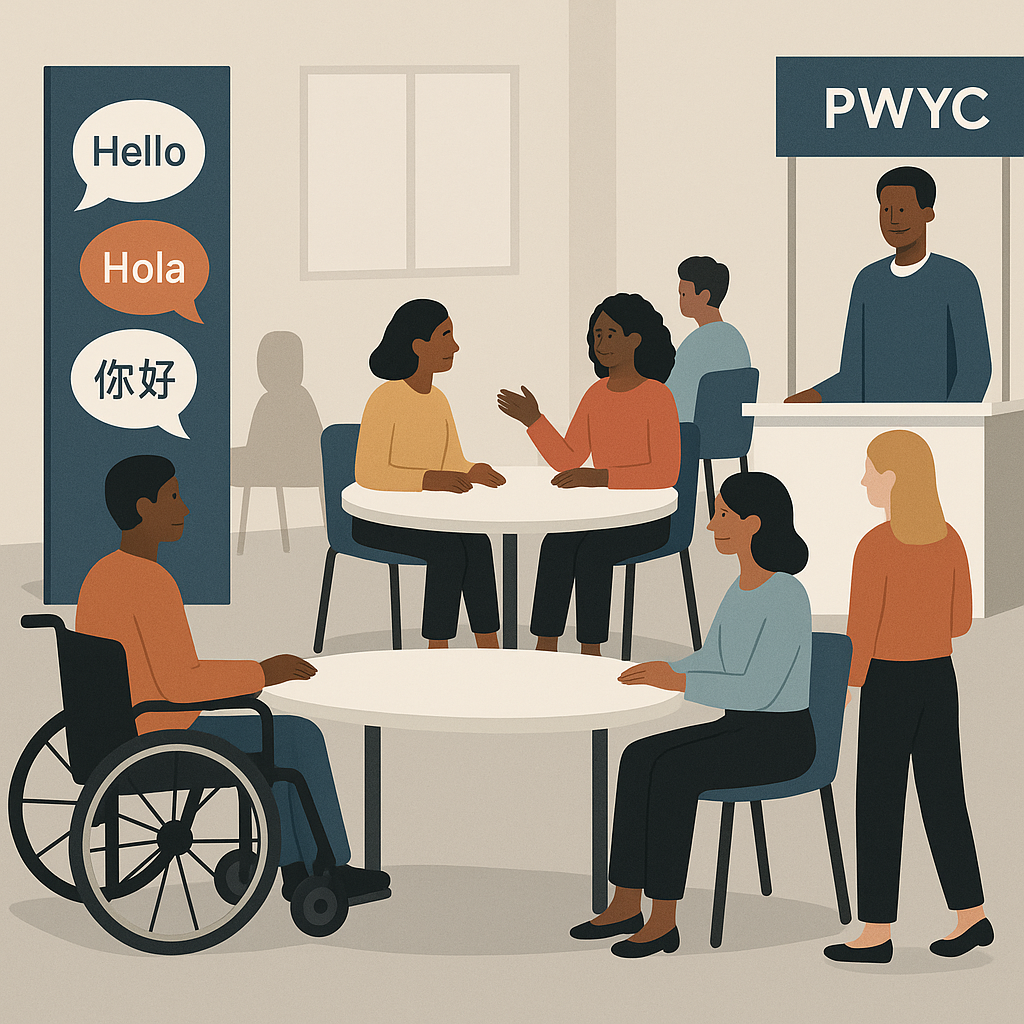
Wyboston Lakes Resort: A Role Model for Hospitality Inclusivity
Inclusivity isn’t just a buzzword at Wyboston Lakes Resort—it’s their standard. From accessible layouts to thoughtful services, they create spaces where everyone feels welcome. For nonprofits and community groups struggling to make their events inclusive without breaking the bank, there’s a lot to learn here.
What Makes Wyboston Lakes Stand Out?
Wyboston Lakes doesn’t stop at wheelchair ramps. Their events include multilingual staff, sensory-friendly zones, and clear signage for attendees with visual impairments. They even accommodate dietary restrictions without making it feel like an afterthought. These details matter. They’re the difference between attendees feeling like second-class participants or fully engaged guests.
Concrete examples include:
- Dietary Inclusivity: Wyboston Lakes offers gluten-free, vegan, and halal meal options without making attendees feel singled out. For example, during a recent conference, organizers seamlessly integrated these options into the main menu rather than creating separate stations, ensuring inclusivity without alienation.
- Sensory-Friendly Zones: At a charity fundraiser hosted on-site, they designated quiet areas with dim lighting and noise-canceling headphones for neurodivergent attendees who might feel overstimulated.
- Multilingual Support: Staff at Wyboston Lakes are trained to assist attendees in multiple languages, including Polish, Punjabi, and Mandarin, making international guests feel at home.
Nonprofits can replicate this level of inclusivity, but it requires thoughtful planning. Inclusivity doesn’t have to mean spending more—it means spending smarter.
The Problem with Fixed Ticket Pricing
Here’s the reality: nonprofits often cater to diverse communities with varying financial means. Fixed ticket prices exclude people who might otherwise participate. This isn’t just bad for inclusivity—it’s bad for engagement.
For example, a community theater group hosted a play with a fixed $30 ticket price. Despite the group’s best marketing efforts, attendance was low among lower-income families in the neighborhood. In contrast, when they tried a flexible pricing model at a later event, offering $10, $20, or “pay what you can,” attendance doubled without compromising revenue.
Take Wyboston Lakes as an example. Their inclusivity extends to how they handle event accessibility, ensuring attendees from all walks of life feel valued. Nonprofits can mirror this approach by adopting flexible pricing models that empower attendees to pay what they can.
How CommunityTix Solves This
CommunityTix’s Pay What You Can (PWYC) feature is a game-changer. It allows nonprofits to set up to three suggested price tiers, plus a custom amount input. For instance, a cultural association could suggest $10, $20, or $50 for an event, or let attendees name their price. This flexibility works particularly well for fundraisers and community events focused on equity.
Use Case: Heritage Festival
Imagine hosting a heritage festival. You want families on tight budgets to feel welcome, but you also need revenue to cover costs. PWYC solves this dilemma by removing financial barriers while encouraging generosity from those who can afford more. It’s inclusivity in action, and it’s automated—no awkward conversations at the door.
Success Story: Neighborhood Art Workshop
In one success story, a nonprofit art studio used CommunityTix’s PWYC feature for a weekend painting workshop. They suggested $5, $15, and $25 tiers, allowing attendees to choose based on their financial situation. Not only did attendance triple, but the average ticket price ended up higher than expected, proving that flexible pricing doesn’t have to mean less revenue.
On-Site Payment Tracking: Another Piece of the Puzzle
One challenge Wyboston Lakes addresses well is catering to walk-in attendees. Many community events face this issue too. Not everyone buys tickets online—some prefer paying at the door. CommunityTix simplifies this with built-in cash collection tracking and card-at-door POS recording.
Practical Example: Sports Club Fundraiser
A volunteer-run sports club recently hosted a charity match. They used CommunityTix’s on-site payment tracking to log every transaction, whether cash or card. This streamlined reconciliation and avoided the chaos of tracking payments manually. Volunteers reported saving hours of work, freeing them to focus on the event itself.
Accessibility Beyond Pricing
Inclusivity isn’t just financial; it’s physical and cultural too. Wyboston Lakes excels here with layouts designed for mobility aids, multilingual staff, and sensory-friendly zones. Nonprofits can replicate this by thinking beyond the basics.
Actionable Steps:
- Physical Accessibility: Plan layouts with ramps, wide pathways for wheelchairs, and accessible seating. Use tactile signage for visually impaired attendees.
- Cultural Accessibility: Incorporate multilingual fonts like Noto Sans, available in CommunityTix, to ensure ethnic communities see event materials in their native scripts—whether Bengali, Devanagari, or Mandarin.
- Sensory Accessibility: Designate quiet spaces with lower lighting and noise reduction tools for neurodivergent attendees.
Lessons Nonprofits Can Apply Today
- Flexible Pricing: Use tools like CommunityTix’s PWYC feature to make events financially accessible.
- On-Site Sales Tracking: Simplify walk-in payments with cash and card recording.
- Cultural Accessibility: Incorporate multilingual fonts and inclusive event materials.
- Physical Accessibility: Plan layouts with mobility aids, sensory-friendly zones, and clear signage.
Why Inclusivity Matters
In my view, inclusivity isn’t optional—it’s essential. When nonprofits prioritize it, they build trust, expand their reach, and create memorable experiences. Wyboston Lakes has shown that thoughtful planning makes all the difference. Tools like CommunityTix ensure you don’t need Hilton’s budget to pull it off.
FAQ
1. What’s the biggest barrier to inclusivity in nonprofit events?
Budget constraints are often the main issue. Many nonprofits assume inclusive features cost a lot, but tools like CommunityTix make financial and cultural accessibility achievable without overspending.
2. How does CommunityTix handle refunds for PWYC tickets?
Refunds can be manually marked in the order management dashboard, ensuring transparency and easy tracking.
3. Can CommunityTix support large-scale events?
Yes, CommunityTix is designed for flexibility. Whether it’s a 20-person workshop or a 500-person festival, the platform scales to meet your needs.
4. How do multilingual fonts improve event accessibility?
They allow ethnic communities to engage with event materials in their native scripts, boosting participation and trust.
5. What are simple ways to create sensory-friendly events?
Include quiet zones, dim lighting, and noise-canceling headphones. These elements make events more accessible for neurodivergent attendees.
Decision Framework: How to Create Inclusive Events
| Feature | Why It Matters | Easy Implementation Tools |
|---|---|---|
| Flexible Pricing | Removes financial barriers | CommunityTix PWYC feature |
| Multilingual Materials | Boosts cultural inclusivity | Noto Sans fonts |
| Sensory-Friendly Zones | Supports neurodivergent guests | Quiet areas, headphones |
| Physical Accessibility | Enables mobility for all | Ramps, wide pathways, signage |
| On-Site Payment Tracking | Reduces admin burden | CommunityTix cash/card logging |
If you’re planning nonprofit events and want to make inclusivity easier, CommunityTix can help. Start your free trial today and see the difference.