Why Immersive Events Matter for Communities
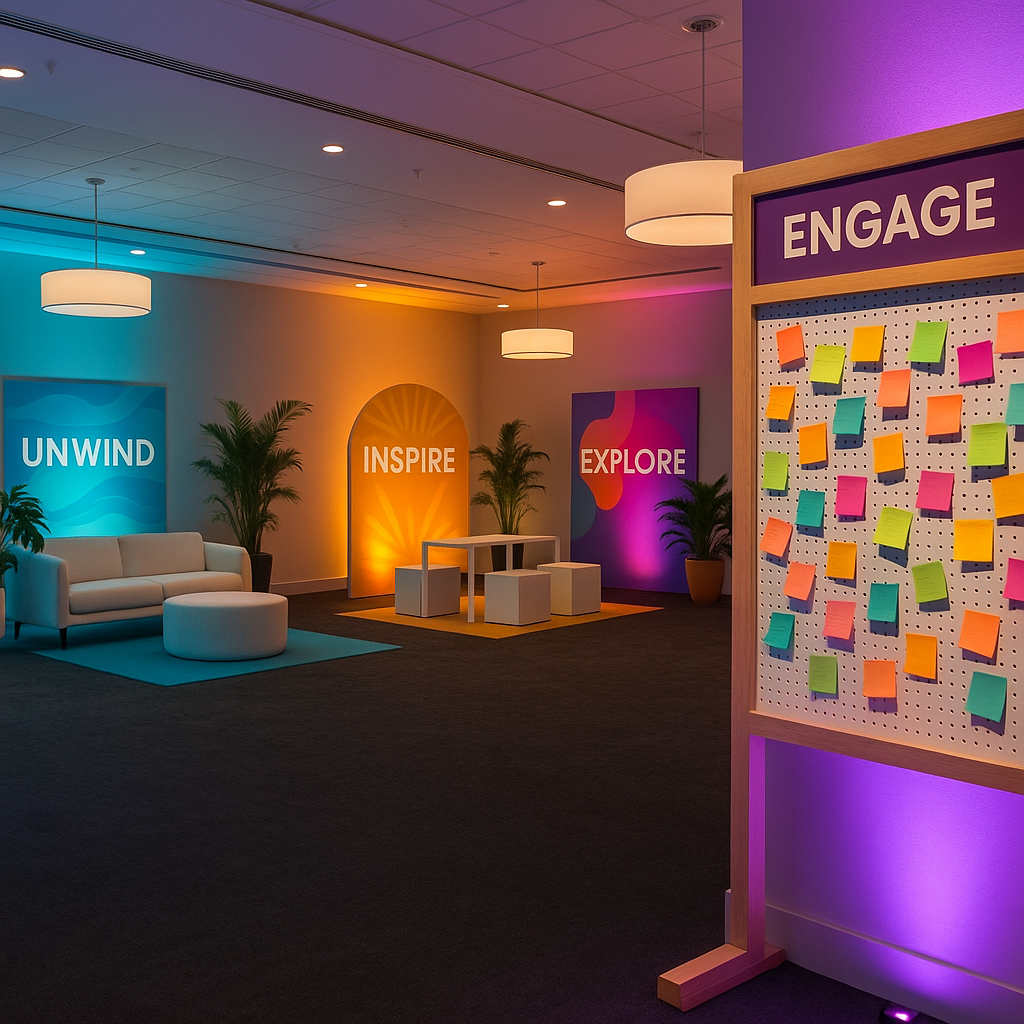
People remember experiences, not just events. That’s why immersive events work—they turn attendees into active participants. Hilton Birmingham Metropole set the gold standard with their collaboration with Eventologists. Think themed spaces, interactive setups, and multi-sensory engagement that makes attendees feel like they’re part of something extraordinary. But here’s the kicker: you don’t need Hilton’s budget to make your community events immersive. You just need smart planning, creativity, and the right tools.
What Makes Events Immersive?
Immersion goes beyond decor—it’s about creating an emotional and sensory connection with attendees. Studies show that multi-sensory engagement increases memory retention and emotional impact. For instance, a 2019 Eventbrite survey found that 78% of attendees prefer events with interactive elements because they feel more connected to the experience.
Immersive events can include:
- Multi-Sensory Elements: Lighting, sound design, and tactile props that change how a space feels.
- Interactive Zones: Spaces where attendees can leave their mark, such as message boards or art stations.
- Storytelling Themes: Events built around a narrative, like a “Journey Through Time” historical gala or a “Winter Wonderland” holiday celebration.
The Hilton Birmingham Metropole Playbook
Hilton’s setup shows how immersive details can transform events into unforgettable experiences. Rita Chandarana from Eventologists shared insights into their approach: interactive themed zones, adaptive lighting, and tactile elements like physical props attendees can engage with. For example, their “Winter Wonderland Gala” wasn’t just decorated—it felt like stepping into a snow-covered fairy tale, complete with snowflake projections, frosted decor, and winter-themed cocktails.
Case Study: Hilton’s Winter Wonderland Gala
- Theme Execution: Snow projections, icy blue lighting, and custom cocktails like “Frozen Mojitos.”
- Interactive Props: A snow globe photo booth where attendees could step inside for pictures.
- Multi-Sensory Impact: Seasonal scents (pine and cinnamon) pumped into the venue.
What can community groups learn? Start small. You don’t need an ice-sculpture budget to create atmosphere. Try simple things like themed backdrops, projection mapping, or interactive touchpoints like community message boards.
The Problem with Ticketing Chaos
Here’s a real-world issue Hilton doesn’t face but community groups do: managing ticketing without breaking the bank. Eventbrite and similar platforms charge 5-10% of every ticket sold. For smaller organizations, that’s an unsustainable cut. Plus, traditional ticketing platforms often lack flexibility—no Pay What You Can (PWYC) pricing, no easy on-site cash tracking, and limited customization options.
Enter CommunityTix
CommunityTix is built specifically for budget-conscious organizations. Here’s why it’s a game-changer:
- Zero Platform Fees: Your group keeps 100% of ticket revenue (PayPal processing fees still apply).
- Flexible Pricing: PWYC lets you match pricing to your community’s needs, making events more accessible.
- On-Site Sales Tracking: Seamlessly record cash or card payments at the door for walk-in attendees.
Comparison: Eventbrite vs. CommunityTix
| Feature | Eventbrite | CommunityTix |
|---|---|---|
| Platform Fees | 5-10% per ticket | $0 (only PayPal fees apply) |
| PWYC Pricing | Not supported | Fully customizable |
| On-Site Ticket Sales | Limited functionality | Seamless integration |
| Multilingual Support | Basic | Advanced font options |
Immersive Ideas for Small Budgets
You’re probably thinking, “Fine, immersive events sound great, but we don’t have Hilton’s resources.” Fair. Here’s the workaround:
1. Leverage Community Talent
Local artists, musicians, and craftspeople can bring unique energy to your event. Ask them to contribute in exchange for exposure or discounted tickets. For example:
- Art Installations: Partner with local sculptors to create themed pieces for your event.
- Live Music: Feature community bands instead of hiring expensive performers.
2. DIY Decor
Skip expensive vendors. Host a volunteer craft night where members make themed props, signage, or decorations. Examples:
- Cultural Festival: Paper lanterns, handmade banners, or origami stations.
- Seasonal Gala: Mason jar centerpieces filled with fairy lights.
3. Interactive Zones
Create spaces where attendees can engage. Examples:
- Welcome Wall: A chalkboard or paper wall where attendees leave messages.
- DIY Photo Backdrop: Use simple materials like fabric, balloons, or string lights.
4. Flexible Ticket Pricing
Use CommunityTix’s PWYC feature for equity-focused pricing. Suggest tiers like $5, $10, or $20—or let attendees name their price. This approach works especially well for inclusive events.
5. On-Site Sales Tracking
Community events often include walk-ins. With CommunityTix, you can record cash or card-at-door sales seamlessly, reducing reconciliation headaches later.
Event Accessibility: The Hilton Standard for All
An overlooked part of immersive events? Accessibility. Hilton Birmingham Metropole excels here. Their events include wheelchair-friendly layouts, clear signage, and multilingual staff for international audiences. Community groups should follow suit.
For example, CommunityTix supports multilingual fonts like Noto Sans. If your audience includes Bengali or Mandarin speakers, your event materials can reflect that diversity. It’s a small feature with big impact.
Actionable Accessibility Tips:
- Venue Layout: Ensure wheelchair access to all key areas.
- Event Materials: Include translations or easy-read formats.
- Staff Training: Equip volunteers with basic knowledge of accessibility protocols.
Real Talk: The Limits of Immersion
Not every event needs to be immersive. A community AGM? Not the place for projection mapping. But for cultural festivals, gala dinners, or fundraisers—absolutely. Know your audience and event type before investing time or money into themes. The aim isn’t to overwhelm; it’s to enhance.
When to Go All-In on Immersion:
- Fundraisers: Create emotional connections that inspire donations.
- Cultural Celebrations: Amplify the richness of traditions with sensory details.
- Gala Dinners: Use themes to elevate the experience.
FAQ
Q: Can immersive events work for small spaces?
Absolutely. Focus on atmosphere instead of scale. Use lighting, music, and small themed decor to transform the environment. For example, string lights and soft music can make a small community center feel cozy and welcoming.
Q: How does CommunityTix simplify immersive event planning?
By centralizing tools. Set up ticketing, member management, and event RSVP in one dashboard. Plus, it's free to use—no platform fees.
Q: What’s the best way to promote an immersive event?
Use your CommunityTix subdomain for a branded event page. Add an event blog, share photos from past events, and use social media to drive traffic.
Q: Can CommunityTix handle on-site ticket sales?
Yes. Track cash collections and card payments at the door. Export sales data for easy reconciliation later.
Q: How do I make events accessible without spending a fortune?
Start with free or low-cost solutions: multilingual event materials, wheelchair-friendly layouts, and volunteers trained in accessibility basics.
The Final Word
Immersive events aren’t just for luxury hotels. Community groups can achieve similar results by focusing on creativity and inclusion. And if ticketing chaos is holding you back, CommunityTix is here to help. Get started free →