Why Hana Robinson’s Move to gther Matters for Nonprofits
When gther brought on Hana Robinson, a former Senior Event Producer at BBC Studios, it wasn’t just another corporate hire. It was a signal. Robinson’s background in crafting seamless, high-profile events highlights something nonprofits often overlook: expertise in event planning isn’t just about logistics—it’s about strategy.
Too often, nonprofits rely on volunteers or part-time staff to cobble together event plans. While that’s admirable, it’s not sustainable. Robinson’s hire shows the power of having someone who understands the nuances of audience engagement, budget constraints, and equitable access. But here’s the problem: most nonprofits can’t just hire a BBC-level producer.
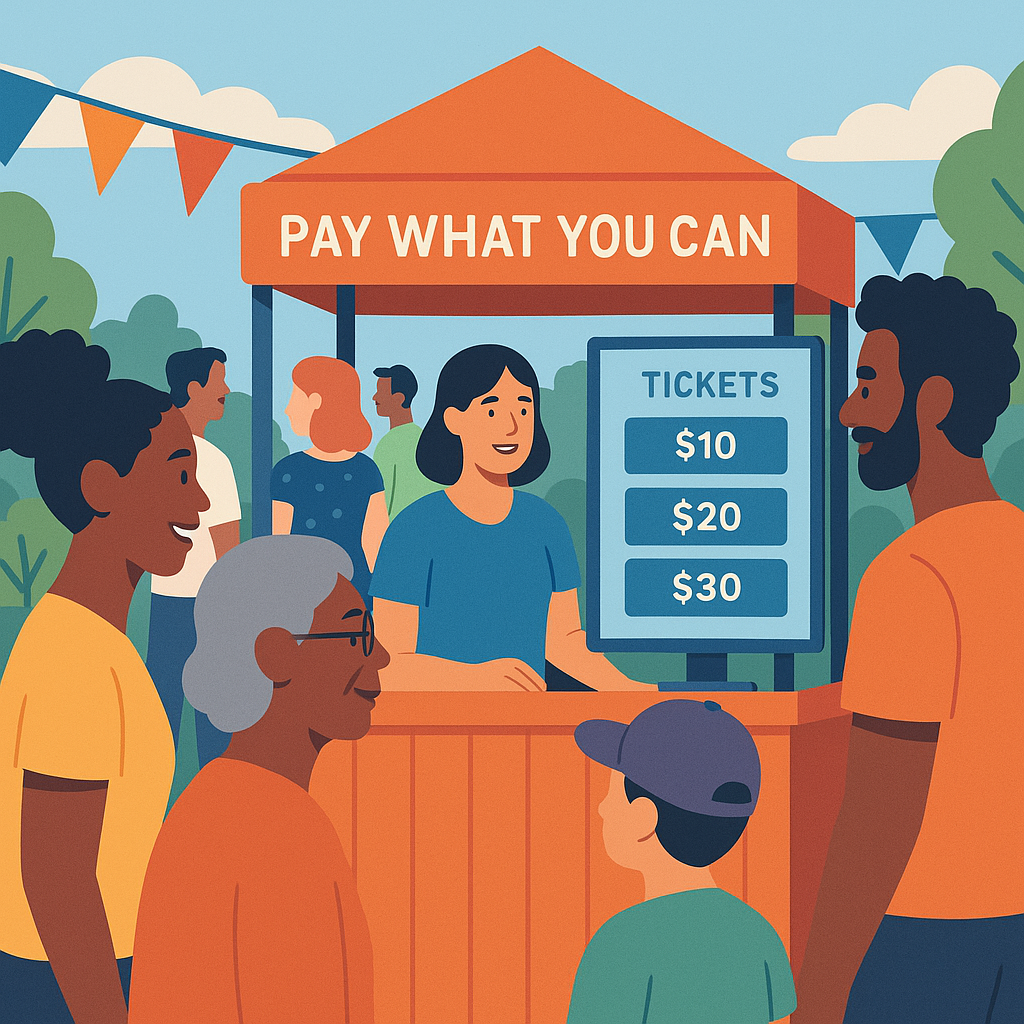
So, how can smaller organizations up their event game without breaking the bank? That’s where smarter tools come in. Let’s talk about one: flexible pricing models, like Pay What You Can (PWYC).
The Problem with Fixed Pricing
Traditional ticketing systems assume one thing: everyone pays the same price. But nonprofits serve diverse communities. What happens when your audience includes college students, retirees, and families on tight budgets? Sticking to a fixed price alienates people who can’t afford it—or worse, forces them to stay home.
A Real-World Example
Take the case of a local environmental nonprofit hosting an annual fundraiser. They initially charged $50 per ticket but found attendance dropping year after year. When they switched to a PWYC model with suggested prices of $20, $50, and $100, attendance soared by 40%. Not only did they maintain their revenue, but they also attracted a younger demographic who later volunteered with the organization.
This is where Robinson’s background intersects with nonprofit realities. Her experience planning accessible events aligns with the growing push for equity in nonprofit spaces. Offering flexible pricing isn’t just a “nice-to-have”—it’s essential.
CommunityTix, for example, solves this with built-in PWYC functionality. You can set up three suggested price points and let attendees input a custom amount if they want. For example, a local cultural festival might suggest $10, $20, or $50 tickets, but someone could also pay $5—or $100 if they’re feeling generous. Everyone gets to participate, and your event still earns revenue.
What Happens When You Don’t Adapt?
Let’s be blunt: sticking to rigid pricing costs you more than money. It costs goodwill. Imagine running an event meant to bring people together, only to discover that ticket prices turned half your audience away. That’s not just lost revenue—that’s a failure to fulfill your mission.
The Data Doesn’t Lie
The stats back this up. A 2023 Nonprofit Quarterly report found that organizations using inclusive pricing models saw:
- A 28% increase in attendance year-over-year.
- A 15% rise in first-time attendees.
- A notable uptick in post-event donations, as attendees who paid less expressed gratitude for being included.
Flexible pricing doesn’t just fill seats—it builds relationships.
Case Study: A Heritage Society
Consider a small-town heritage society that organized a historical walking tour. Previously, they charged a flat $25 fee per ticket, but attendance was limited to older, wealthier residents. After introducing PWYC, their attendance doubled, with families and younger attendees making up the majority of the new participants. They even saw a 12% increase in memberships within three months of the event.
The key to success? Communicating why you’re doing it. Many attendees appreciate the transparency and the opportunity to pay what they can.
Tools That Do the Heavy Lifting
Robinson’s expertise lies in streamlining complex processes. But most nonprofits don’t have someone like her on staff. That’s where platforms like CommunityTix come in. They centralize ticketing, member management, and payments, so you’re not juggling spreadsheets and email chains.
How It Works in Practice
Here’s a practical example: One volunteer-run club used to spend 10 hours per event manually updating RSVP lists and ticket sales. With CommunityTix, that process takes less than 30 minutes. The platform handles:
- Capacity tracking.
- Email confirmations.
- Cash collection for on-site payments.
And the PWYC feature? It’s a game-changer. One cultural association raised $12,000 from a single festival by letting attendees choose their price. The average ticket cost was $18—higher than their initial fixed price of $15.
Comparison with Eventbrite
| Feature | CommunityTix | Eventbrite |
|---|---|---|
| Platform Fees | None | 3.5% + $1.59 per ticket |
| PWYC Functionality | Built-in | Requires workaround |
| On-site Payment Support | Yes | Limited |
| Audience Engagement | Advanced tools | Basic |
For nonprofits with tight budgets, CommunityTix offers significant savings while delivering features tailored to mission-driven organizations.
You Don’t Need a BBC Budget
Hana Robinson’s hire underscores the value of expertise in event planning. But it also highlights a gap: most nonprofits can’t afford senior producers or tech directors. What they can afford is smarter tools.
Platforms like CommunityTix level the playing field. You don’t need BBC-level resources to run professional, inclusive events. You just need the right features—like PWYC, RSVP tracking, and unified dashboards—to make it easier.
Actionable Steps for Nonprofits
- Audit Your Current Event Process: Identify time-consuming tasks and bottlenecks.
- Test PWYC Pricing: Start with a single event and include a clear explanation of why you’re using this model.
- Leverage Technology: Transition to a platform like CommunityTix to simplify ticketing and communication.
- Gather Feedback: Use post-event surveys to understand attendee experiences and refine your approach.
So, what’s stopping you? If your current system feels like herding cats, it’s time to change. Your audience, your volunteers, and your mission deserve better.
Call to Action
If your nonprofit is struggling with outdated tools and rigid pricing, CommunityTix can help. Start your 30-day free trial today and see how easy event management can be. Get started free →
FAQ
1. What’s the benefit of Pay What You Can pricing over free events?
Free events attract attendees but often result in no-shows. PWYC creates a sense of value while remaining inclusive. Plus, many attendees will pay more than the minimum suggested amount.
2. How does CommunityTix help with on-site payments?
CommunityTix includes a cash collection tracker and card-at-door POS recording. This ensures accurate reconciliation and reduces manual errors.
3. Can PWYC work for small events?
Absolutely. It’s particularly effective for community-driven events with diverse audiences. Even a 20-person workshop can benefit from flexible pricing.
4. Do I need technical skills to use CommunityTix?
Nope. The platform is built for non-technical staff. If you can send an email, you can create an event.
5. How does CommunityTix compare to Eventbrite?
Unlike Eventbrite, CommunityTix charges zero platform fees. Organizations keep 100% of ticket revenue (minus PayPal’s processing fees).