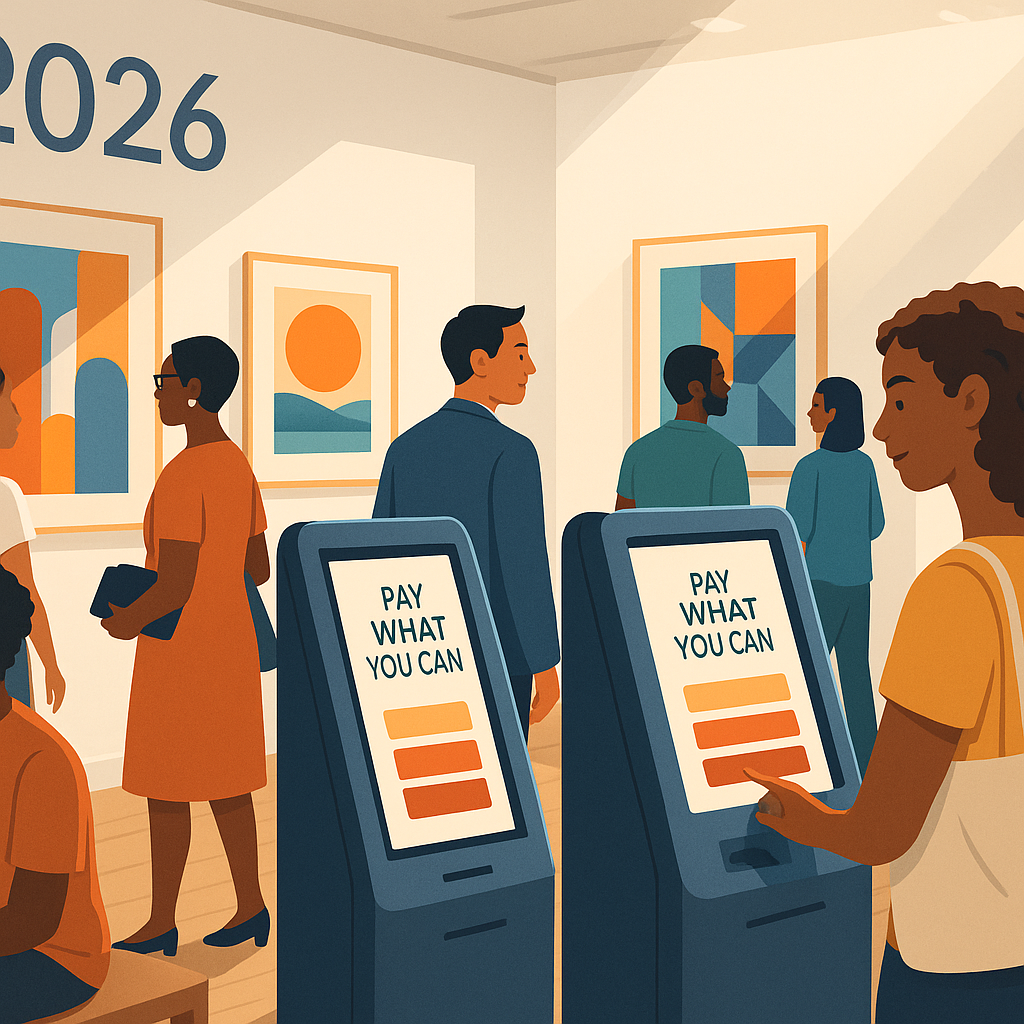
The Exhibition Landscape in 2026: Why Nonprofits Are Feeling the Squeeze
Exhibitions and community events are evolving fast. By 2026, two major shifts are hitting nonprofits hard: rising costs and a demand for inclusivity. These challenges are reshaping how nonprofits plan and execute events, forcing them to rethink traditional approaches to pricing and accessibility.
Rising Costs: The Financial Reality
Inflation and higher venue fees mean nonprofits have to stretch every dollar further. According to a report by Reuters, venue costs in urban centers have risen by an average of 18% since 2022. Add in AV equipment, staffing, catering, and marketing expenses, and small organizations are struggling to keep their heads above water.
For example, a midsized nonprofit in Chicago reported a 22% increase in venue rental fees from 2023 to 2025. To cover these costs, they initially raised ticket prices by 15%, only to see attendance drop by 8%. This is a pattern many organizations are seeing: higher costs lead to higher prices, which then alienate key segments of their audience.
Additionally, staffing costs are climbing. A report by Charity Navigator highlights that wages for part-time and event-specific staff have risen by 12% due to inflation and increased competition for workers. For nonprofits with tight budgets, this often means cutting corners or reducing the scale of their events.
Changing Audience Expectations: Inclusivity as a Baseline
Younger attendees—especially Gen Z—expect events to be inclusive and accessible. This generation prioritizes equity and social impact, and they’re quick to notice (and criticize) organizations that fall short. Fixed ticket prices, for instance, can alienate low-income participants, families, and marginalized groups.
Consider this: A 2024 survey by Pew Research found that 72% of Gen Z respondents believe ticket pricing should account for income disparities. This isn’t just a moral issue; it’s a practical one. Alienating these groups can lead to lower attendance, reduced community impact, and bad optics in an increasingly vocal social media landscape.
Why Fixed Pricing Doesn’t Work Anymore
Let’s be honest: fixed ticket pricing is outdated. It assumes that every attendee has the same financial ability, which isn’t true. Consider this real-world example:
A local cultural association in Toronto organized an art exhibition in 2025. Tickets were priced at $25 flat. The result? High-income attendees showed up, but families and students—key community members—stayed away. This isn’t just bad optics; it’s bad economics. Empty seats mean missed revenue opportunities.
Now, imagine that same event with a “Pay What You Can” (PWYC) model. Attendees could choose from $10, $20, or $30 with an option to pay a custom amount. The result? Not only did more people attend, but the average ticket revenue actually increased. Why? Because higher-income attendees often choose to pay more, subsidizing access for others.
Flexible Pricing: A Practical Solution
At CommunityTix, we’ve built PWYC into the platform because we’ve seen how powerful it can be. It’s not just about being inclusive—it’s about making events sustainable. Here’s how it works:
- Set Suggested Tiers: Offer up to three price points. For example, $10 (subsidized), $20 (standard), and $30 (supporter). This gives people options without overwhelming them.
- Custom Amounts: Allow attendees to enter any amount above a minimum threshold. This ensures flexibility while covering basic costs.
- Transparency: Use your event page to explain how PWYC works and why it matters. People are more likely to pay higher amounts if they understand the impact of their contribution.
Case Study: A UK-Based Nonprofit
In 2024, a UK-based nonprofit faced a 10% drop in attendance at their annual flagship exhibition due to rising ticket prices. In 2025, they switched to a PWYC model with suggested tiers of £5, £10, and £20. The result? Attendance increased by 15%, and total ticket revenue rose by 14%. Higher-income attendees often chose the £20 tier, offsetting the cost for those who paid less.
Addressing Common Concerns About PWYC
You might be thinking, “This sounds risky. What if everyone pays the lowest amount?” It’s a valid concern, but the data doesn’t back it up. A study by Fast Company found that when given a choice, only 20% of attendees opt for the lowest tier. The majority stick to the middle or higher options.
Strategies to Mitigate Risk:
- Pre-Event Messaging: Clearly communicate how PWYC supports the community and ensures inclusivity. This encourages attendees to pay more if they can.
- Data Monitoring: Use analytics to track payment patterns and adjust tiers as needed.
- Sponsor Partnerships: Partner with local businesses to subsidize ticket costs for low-income attendees.
How to Get Started with PWYC
Ready to try flexible pricing? Here’s a step-by-step guide:
- Segment Your Audience: Understand your attendees. Are they families, students, professionals, or retirees? This helps you set relevant pricing tiers.
- Choose Your Tiers Wisely: Don’t overcomplicate. Three tiers plus a custom option work best.
- Test and Adjust: Run small-scale events to gather data. Adjust pricing based on feedback and revenue metrics.
- Leverage Technology: Use a platform like CommunityTix to manage PWYC seamlessly. The built-in tools handle tier setup, payment tracking, and reporting.
- Communicate Clearly: Ensure that your event page and promotional materials explain how PWYC works and why it benefits the community.
The Bigger Picture: Inclusivity and Sustainability
In my view, flexible pricing is more than a feature—it’s a philosophy. It says, “We value everyone in our community, regardless of income.” And that’s priceless.
As we head into 2026, nonprofits can’t afford to ignore this trend. The exhibition landscape is competitive, and audiences are choosier than ever. Flexible pricing isn’t just nice to have—it’s a must.
If you’re ready to make your events more inclusive and financially sustainable, CommunityTix can help. Try it free and see the difference PWYC can make for your next event.
FAQ
1. What if PWYC doesn’t cover our costs?
Start with a pilot program for smaller events to test the waters. Use suggested tiers that ensure basic costs are covered. Additionally, consider seeking sponsorships or grants to offset initial risks.
2. Will higher-income attendees really pay more voluntarily?
Yes, many do. Studies and case studies consistently show that when people understand the impact of their contributions, they’re willing to pay more to support a good cause.
3. How do we handle backlash from attendees who prefer fixed pricing?
Be transparent about why you’re adopting PWYC and how it benefits the community. Most people appreciate the flexibility, especially when it’s framed as a way to promote inclusivity.
4. Can PWYC work for large-scale events?
Absolutely. Many large organizations, including museums and theaters, are already using PWYC successfully. The key is clear communication and robust technology to manage payments.
5. What tools can help implement PWYC effectively?
Platforms like CommunityTix are designed for flexible pricing. They offer features like tier setup, payment tracking, and audience insights to make the process seamless.
Comparison Table: Fixed Pricing vs. PWYC
| Feature | Fixed Pricing | Pay What You Can (PWYC) |
|---|---|---|
| Inclusivity | Limited to those who can afford it | Accessible to all income levels |
| Revenue Potential | Fixed, with capped ticket sales | Variable, often higher overall |
| Audience Appeal | Less flexible, may alienate some | Broader appeal, especially Gen Z |
| Implementation | Simple but rigid | Flexible but requires planning |
| Community Impact | Minimal | High, fosters goodwill |
By understanding these nuances, nonprofits can make informed decisions about their pricing strategies and ensure their events thrive in 2026 and beyond.