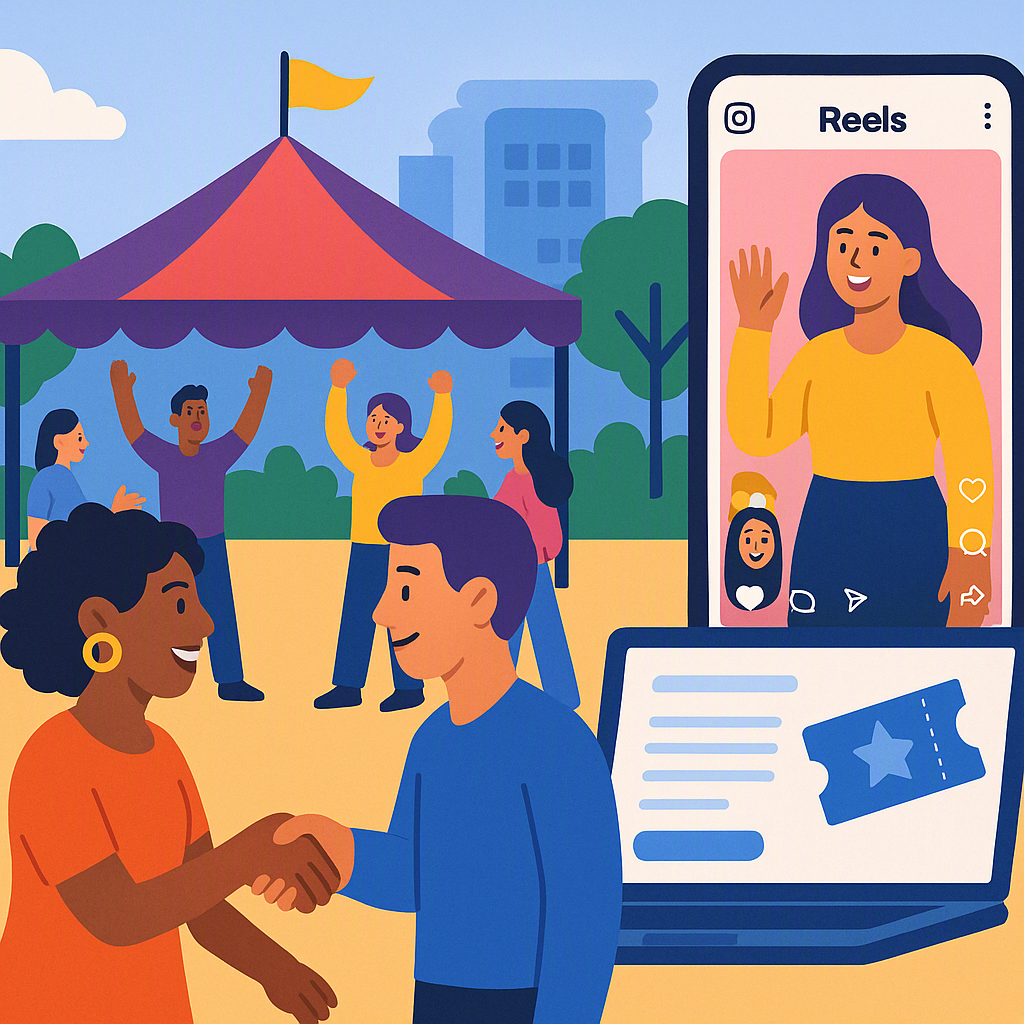
The Power of Storytelling: What Nonprofits Can Learn from Feast & Fable
Storytelling isn't just for movies or novels. It’s the lifeblood of nonprofit events. When done right, it turns attendees into advocates, donors into lifelong supporters, and skeptics into believers. Feast & Fable’s ‘Unwritten’ showcase is a prime example of how immersive storytelling can transform an event into something unforgettable.
‘Unwritten’ isn’t a typical showcase. It’s an experience. Through a series of vignettes and interactive displays, it invites attendees to explore untold stories behind cultural traditions. It’s raw, emotional, and deeply engaging. And nonprofits should take notes.
Why? Because the same principles apply to any community event. Whether it’s a fundraiser for a local food bank or a celebration of heritage, storytelling gives your event depth and meaning. But here’s the challenge: how do you make your storytelling accessible and inclusive for everyone?
Why Pricing Models Matter for Inclusive Storytelling
One of the biggest barriers to inclusive events is ticket pricing. Let’s face it—fixed ticket prices can exclude people. Not everyone can afford $30, $50, or $100 for an event, no matter how compelling the story. And free events? They’re great in theory but can leave your organization struggling to cover costs.
That’s where flexible pricing models, like Pay What You Can (PWYC), come in. This approach lets attendees choose what they pay, based on their financial situation. You can still set suggested price points—say, $10, $25, and $50—to guide contributions. But the key is giving people the option to pay less (or more) without judgment.
Feast & Fable’s ‘Unwritten’ showcase leveraged a similar idea. While they didn’t use PWYC explicitly, they created tiered experiences based on ticket levels. Attendees could opt for general admission or a more immersive premium experience. This structure gave people flexibility while ensuring the event remained financially viable.
How PWYC Improves Accessibility
PWYC is more than a pricing strategy—it’s a statement of values. It tells your audience that your event is for everyone, regardless of their financial situation. This approach fosters goodwill and inclusivity while allowing those with more resources to contribute at higher levels.
For example, setting a minimum price of $5 ensures you cover basic costs, while offering higher tiers like $25 or $50 encourages those who can afford it to support your cause more generously. This structure can even out over time, with some attendees paying less and others paying more.
How CommunityTix Makes PWYC Simple for Nonprofits
Here’s where tools like CommunityTix come in. Most traditional ticketing platforms assume fixed pricing. That’s fine for concerts or big-ticket events, but it’s a nightmare for grassroots nonprofits trying to balance accessibility with revenue.
With CommunityTix, nonprofits can set up PWYC pricing directly within the platform. Here’s how it works:
- Suggested Price Points: Offer up to three suggested price points (e.g., $10, $25, $50) to guide attendees on what to contribute.
- Custom Amounts: Allow attendees to enter a custom amount if they wish. This feature ensures everyone can contribute in a way that feels comfortable.
- Real-Time Tracking: Track contributions in real time, so you know if you’re meeting your revenue goals.
And the best part? CommunityTix charges zero platform fees, meaning 100% of what attendees pay goes straight to your organization (minus standard PayPal processing fees). That’s a game-changer for small nonprofits operating on razor-thin margins.
Practical Tips for Nonprofits Using PWYC
Thinking of using PWYC for your next event? Here are some lessons from Feast & Fable and other successful events:
1. Frame the Experience
Make it clear that everyone is welcome, regardless of what they pay. Use inclusive language like, “Pay what feels right for you” or “Your contribution helps us continue this work.” This messaging reduces stigma and encourages participation.
2. Set Anchors
Research shows people are more likely to pay when you suggest price points. For example:
- $10: Covers basic costs
- $25: Represents an average contribution
- $50: Supports future programming
These anchors give attendees a baseline to work from, making them more likely to contribute generously.
3. Tell the Story
Before attendees even see the ticketing page, tell them why the event matters. Use your website, social media, and email campaigns to share the story behind the event. When people feel emotionally connected, they’re more likely to pay.
4. Follow Up
After the event, thank attendees and share the impact of their contributions. Did the event fund a new program? Did it attract more members to your organization? Use post-event communications to show attendees how they made a difference.
5. Test and Adjust
PWYC is not a one-size-fits-all solution. Experiment with different minimum prices, suggested tiers, and messaging to see what works best for your audience. Track revenue and attendee feedback to refine your approach.
Common Mistakes in Nonprofit Event Storytelling
Not all storytelling strategies work. Here are three mistakes to avoid:
1. Being Vague
“We’re raising money to support the community” isn’t a story—it’s a statement. A story is specific: “This event funds after-school programs for 100 kids in our neighborhood.”
2. Ignoring Accessibility
If your pricing, venue, or event format excludes people, your story won’t reach the audience it deserves. PWYC is one way to address financial barriers, but also consider physical accessibility and language inclusivity.
3. Forgetting the Follow-Up
Storytelling doesn’t end when the event does. Use your blog, social media, or a post-event email to show attendees how their support made a difference.
Decision Framework: Is PWYC Right for Your Event?
| Question | Answer |
|---|---|
| Is accessibility a key priority? | PWYC is ideal for events where inclusivity is essential. |
| Do you have a diverse audience? | PWYC works well when attendees’ financial situations vary widely. |
| Are you comfortable with variability? | Revenue may fluctuate; build in safety nets like sponsorships. |
| Is storytelling central to your event? | PWYC enhances emotionally driven, community-focused events. |
| Is your event high-demand or exclusive? | Fixed pricing may work better for limited-capacity or premium events. |
FAQs
Q: Won’t PWYC hurt our revenue?
A: Not necessarily. Many people pay as much or more than a fixed ticket price when given the option. And those who pay less might not have attended otherwise. Over time, PWYC can balance out, especially when paired with good storytelling and suggested price points.
Q: How do I explain PWYC to attendees?
A: Be transparent. Explain that PWYC ensures everyone can attend while helping your organization cover costs. Use language that emphasizes choice, not obligation—e.g., “Your contribution helps us keep this event accessible to all.”
Q: Can PWYC work for hybrid or virtual events?
A: Absolutely. CommunityTix supports PWYC for online events, making it easy to offer flexible pricing regardless of format. Use digital tools to create an engaging experience for both in-person and virtual attendees.
Q: What if we don’t hit our revenue goals?
A: Build in safety nets, like sponsorships, grants, or a minimum ticket price. Use post-event data to refine your pricing strategy for future events.
Q: Is PWYC right for every event?
A: No. PWYC works best for community-focused events where accessibility is a priority. For exclusive or high-demand events, fixed pricing may still make more sense.
Final Thoughts
Feast & Fable’s ‘Unwritten’ showcase proves that storytelling is at the heart of impactful events. For nonprofits, embracing storytelling—combined with inclusive practices like PWYC pricing—can make your events more meaningful and accessible to all.
If you’re ready to simplify your event planning and try out flexible pricing, CommunityTix was built for organizations like yours. Get started free →