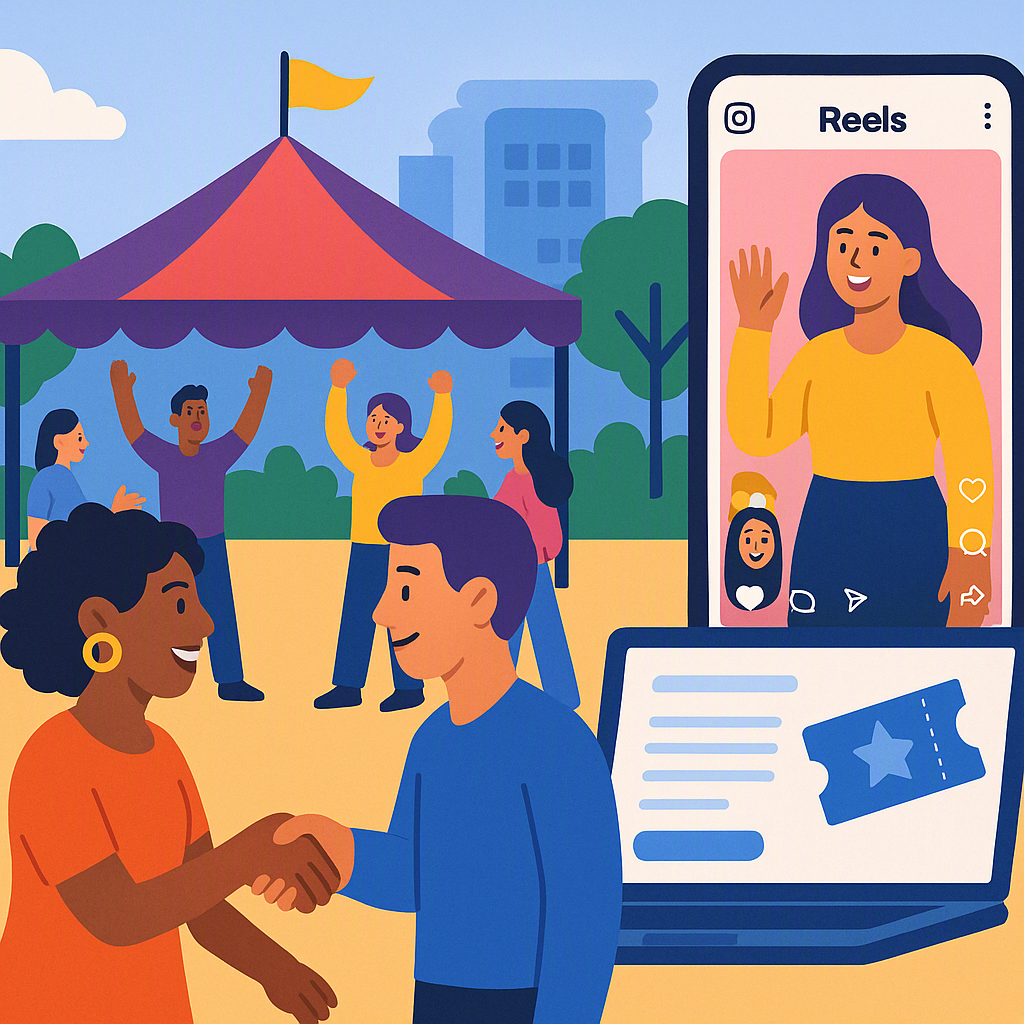
Manchester’s Emirates Old Trafford: A Model for Community Events
When people think of Emirates Old Trafford, they picture cricket matches and concerts. But dig deeper, and you’ll find a venue that nails community engagement. From charity fundraisers to cultural festivals, they’ve mastered the art of making events accessible to all. Their secret? Flexibility.
The Power of Flexible Pricing
One standout example of Old Trafford’s approach is how they structure ticket pricing. Instead of rigid, one-size-fits-all prices, they offer tiered options. This approach ensures that everyone—from students to families—can attend without feeling the pinch.
But why does flexible pricing work so well? Traditional ticketing systems assume everyone can afford the same price, which is often not the case. Communities are diverse, with varying income levels and priorities. A single parent on a tight budget values your event just as much as someone with disposable income. Flexible pricing levels the playing field, making events more inclusive.
Real-World Example: Charity Dinner at Emirates Old Trafford
Take their charity dinners as a case study. Instead of setting a flat ticket price, Emirates Old Trafford offers tiered contributions, such as £10, £30, and £50 per ticket. Each tier comes with clear explanations of where the funds go—whether it’s venue costs, performer fees, or community programs. Attendees feel empowered to pay what they can, knowing their contribution supports meaningful initiatives.
How to Implement Flexible Pricing
If you’re not Old Trafford and have limited resources, don’t worry. You can still adopt flexible pricing strategies using tools like CommunityTix’s Pay What You Can (PWYC) feature. Here’s how:
- Suggested Tiers: Set three or more price points to guide contributions. For example, a local art festival could offer £5, £15, and £25 tickets.
- Custom Amount Option: Allow attendees to input what they can afford, even if it’s less than the lowest tier.
- Transparency: Share exactly how the funds will be used. People are more likely to contribute generously when they know their money supports a good cause.
This model isn’t just a theory. Emirates Old Trafford uses a similar approach for family days and cultural events, consistently drawing large crowds.
How CommunityTix Helps Small Organizations Execute PWYC
You might be thinking, “Flexible pricing sounds great, but how do I manage that?” Good news: you don’t need a custom-built system. CommunityTix includes PWYC as a core feature, making it accessible for small organizations and volunteer-run groups.
Step-by-Step Guide to PWYC Implementation with CommunityTix
- Suggested Price Setup: Create up to three suggested tiers directly in your event dashboard. For example, a local food festival could offer £3, £7, and £12 tickets.
- Custom Inputs: Enable a text box for attendees to enter a specific amount. This is perfect for equity-focused events.
- Real-Time Reporting: Track how much each attendee pays and monitor total revenue. You’ll know exactly how well your pricing strategy is working.
- Automatic Confirmation Emails: No more manual follow-ups. As soon as someone RSVPs or buys a ticket, they’ll get a confirmation email.
Case Study: Manchester Community Theatre
A community theatre group in Manchester recently used CommunityTix’s PWYC feature for a sold-out play. They set suggested prices at £5, £10, and £15 but also allowed custom amounts. Some attendees paid as little as £2, while others gave £20. The result? They raised more than they would’ve with fixed pricing—and built goodwill along the way.
Overcoming Skepticism About PWYC
You might worry that PWYC means leaving money on the table. It’s a valid concern. However, data from CommunityTix users shows otherwise. Events that use PWYC often see higher attendance and total revenue than those with fixed pricing. Why? Because you’re removing barriers to participation.
How to Test PWYC Without Risk
For skeptics, here’s a simple way to test PWYC:
- Choose a low-stakes event, such as a small workshop or community gathering.
- Set up suggested tiers and enable custom amounts.
- Track revenue and attendee feedback.
Chances are, you’ll find that the goodwill generated outweighs any minor revenue dips from individual attendees paying less. Plus, higher attendance often compensates for lower individual contributions.
Comparison Table: Fixed Pricing vs. PWYC
| Feature | Fixed Pricing | Pay What You Can (PWYC) |
|---|---|---|
| Accessibility | Limited to those who can afford the fixed price | Open to all income levels |
| Revenue Predictability | High | Moderate but can exceed expectations |
| Community Goodwill | Moderate | High |
| Administrative Effort | Low | Moderate (requires setup) |
| Attendance Levels | Moderate | High |
As the table shows, PWYC excels in enhancing accessibility and building goodwill, though it requires a bit more effort upfront to set up.
FAQ: Common Questions About PWYC
1. Won’t people just pay the minimum amount?
Not always. Many attendees value fairness and will pay more than the minimum if they can afford it. Transparency about where the funds go encourages generosity.
2. How do I explain PWYC to attendees?
Keep it simple: “We want everyone to join, regardless of financial situation. Pay what you can, and know your contribution supports our mission.” Include a breakdown of costs to show accountability.
3. What happens if revenue falls short?
Start with a pilot event to test the model. Use PWYC alongside fundraising initiatives like sponsorships or donations to mitigate risk.
4. How do I handle refunds or disputes?
CommunityTix automates confirmations and tracks payments, reducing errors. For disputes, establish a clear refund policy upfront.
5. Can PWYC work for larger events?
Absolutely. Emirates Old Trafford successfully uses PWYC principles for high-attendance events like charity dinners and cultural festivals. Scale your tiers according to expected attendance.
Ready to Make Your Event More Accessible?
If you’re dealing with high ticket fees or rigid pricing systems, CommunityTix can help. Our Pay What You Can feature is built for community groups that want to make a real impact. Accessibility doesn’t have to be complicated—sometimes, all it takes is a willingness to innovate.