I Used to Think ESG Wasn't for Small Events
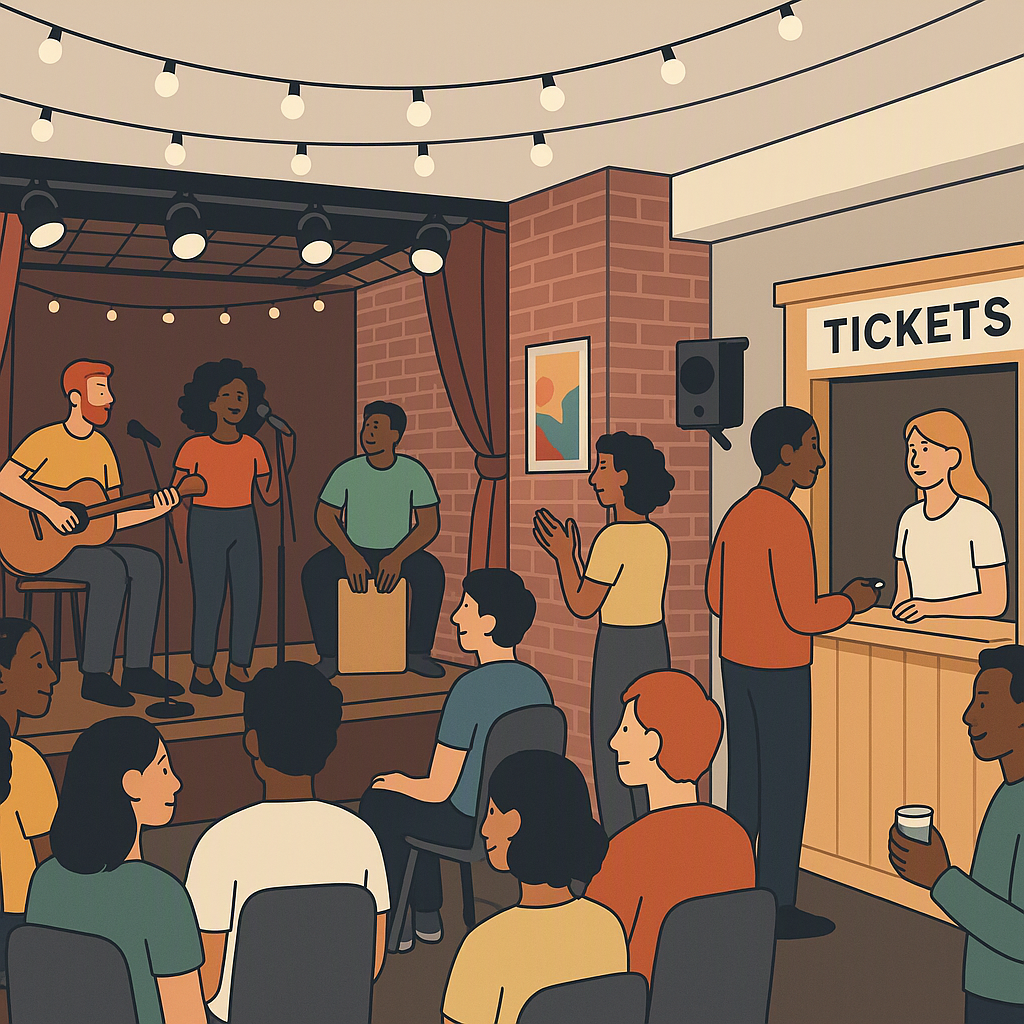
If you'd asked me two years ago, I would've said ESG (Environmental, Social, and Governance) was marketing jargon for big corporations. Sure, I knew it applied to climate policies, diversity pledges, and boardroom transparency. But for small community events? It sounded irrelevant. I thought, "We're just a heritage club running bake sales and movie nights. What could ESG possibly mean for us?"
Our events were already "social," right? Bake sales brought neighbors together. Movie nights fostered connection. What more was there to do? And besides, we had no budget for fancy sustainable initiatives. ESG felt like it belonged in glossy corporate reports, not our volunteer-run club.
The Thing That Changed It
In April 2026, I attended an ESG summit keynote titled "The Happiness Index Highlights ESG Trends for Community Events." The speaker broke down the idea simply: ESG isn’t about expensive programs—it’s about aligning your events with values your community already cares about.
One example stuck with me: community events that embrace Pay What You Can (PWYC) pricing to increase accessibility. According to The Happiness Index, communities that prioritize inclusivity see higher satisfaction and long-term engagement. That hit home. Our events weren’t as accessible as I’d thought. Fixed ticket prices excluded some people, and we didn’t even realize it.
Later, I read about how tools like CommunityTix integrate PWYC options. This feature lets organizations suggest price points but also allows attendees to pay what they’re comfortable with. It’s not just inclusive—it’s practical. Adding PWYC doesn’t cost us extra, and it aligns perfectly with ESG goals.
Suddenly, ESG wasn’t abstract. It was actionable. I realized that ESG wasn’t about reinventing the wheel—it was about embedding purpose into the things we were already doing.
Why the Old Belief Survived So Long
Looking back, my skepticism about ESG wasn’t entirely unfounded. For years, ESG messaging felt disconnected from the realities of smaller groups. Let’s break this down:
1. The Language Barrier
The terms often used in ESG discussions—"sustainability frameworks," "governance metrics," and "net-zero goals"—felt irrelevant to a grassroots organization like ours. We didn’t have compliance teams or carbon audits. No one was asking us to submit ESG reports. Why should we try to understand something that seemed designed for Fortune 500 companies?
2. The Cost Assumption
ESG sounded expensive. Solar panels for venues, eco-friendly packaging for food stalls, or carbon offsets for event-related travel? We were struggling to break even on ticket sales. These ideas seemed luxurious—nice to have, but not feasible for us.
3. The Perception Problem
ESG felt passive. It seemed like a checklist designed for external validation rather than something that could actively improve our events. For example, I assumed ESG was about meeting abstract benchmarks (e.g., "reduce waste by 10%") rather than creating tangible benefits like higher attendance or stronger community engagement.
Those beliefs weren’t unreasonable. ESG advocates often focus on large-scale impact, leaving small organizations feeling excluded. But that keynote—and simple tools like PWYC pricing—showed me how ESG could meet us where we are.
What I Do Differently Now
I’ll admit, I didn’t overhaul our event planning overnight. But I made small, practical changes that aligned with ESG principles. Here’s what actually worked:
1. Adopting PWYC Pricing
For our annual heritage festival, we introduced Pay What You Can tickets via CommunityTix. Instead of a fixed price, we set suggested amounts but allowed attendees to choose what they could afford. The result? Attendance increased, and more people expressed feeling included.
Actionable Step: If you adopt PWYC, offer clear communication. Suggested price ranges help attendees understand what’s realistic while giving them flexibility. For example, display: "Suggested: $10, $15, or $20. Pay what feels comfortable."
2. Tracking Accessibility
We started monitoring who attends our events—new vs. returning guests, families vs. individuals, and other demographics. This data helped us identify patterns. For example, we noticed that free and PWYC events attracted more families than fixed-price ones.
Actionable Step: Use tools that allow you to track attendance trends. Even an Excel sheet can work if you don’t want to invest in software. Note who attends, how they heard about your event, and any feedback they provide.
3. Reducing Waste
Printing hundreds of paper flyers felt wasteful. We switched to digital flyers, using CommunityTix event pages to share downloadable posters and social media graphics. This not only saved money but also aligned with environmental priorities.
Actionable Step: Partner with local businesses or libraries to promote your digital flyers. Many places will happily display digital posters on their screens or websites to help spread the word.
4. Surveying Attendees
After each event, we now ask attendees basic ESG-related questions: Was the ticket pricing fair? Was the venue accessible? What could we improve? The feedback has been invaluable in shaping future events.
Actionable Step: Keep surveys short and actionable (3–5 questions max). Try using free tools like Google Forms or Typeform. Include at least one open-ended question to capture unexpected insights.
These changes weren’t revolutionary. But they worked because they were tailored to our scale. ESG stopped being a distant concept—it became part of our everyday planning.
A Framework for Small Events: ESG on a Budget
Here’s a simple framework to help small event organizers decide where to start:
| ESG Principle | Actionable Step | Cost Level | Benefits |
|---|---|---|---|
| Environmental | Switch to digital flyers | Low | Reduces waste, saves money |
| Social | Add PWYC pricing | Low | Increases accessibility and turnout |
| Governance | Track attendance and feedback | Low | Identifies engagement patterns |
| Social + Environmental | Offer water refill stations instead of bottled water | Medium | Reduces waste, promotes sustainability |
What Being Wrong Cost, and What I’m Still Not Sure About
Ignoring ESG for years had consequences. We missed opportunities to engage parts of our community who felt excluded. Some families stopped attending altogether when ticket prices rose. That’s revenue and connection we can’t get back.
I’m still figuring out how far ESG can go for us. For example:
- Could we measure the carbon footprint of our events without turning it into a logistical nightmare?
- Should we focus entirely on social equity and accessibility, or try to balance environmental priorities too?
- Will PWYC pricing always work, especially for larger, costlier events?
These are questions I’m still exploring. But the important thing is to keep experimenting.
Call to Action
If ESG trends feel overwhelming, start small. Tools like CommunityTix make it easy to implement inclusive practices like PWYC pricing or member tracking. Small changes can lead to big impacts. Get started free →