The Real Cost of Ticket Touting for Nonprofits
When UK Music called on the Prime Minister to tackle ticket touting and EU touring barriers, they highlighted a growing problem: the rising cost of live events. But let’s be honest, this doesn’t just hurt big-name musicians. Small nonprofits, volunteer-run cultural groups, and community organizations are feeling the squeeze, too.
Ticket touting inflates prices and limits access, creating a ripple effect. Community events—already running on razor-thin budgets—struggle to compete with inflated secondary market prices. And EU touring barriers? They don’t just impact famous bands; they complicate cultural exchanges for grassroots performers and organizers.
So what’s the fix? Legislation helps, sure. But nonprofits need tools today that protect their revenue and keep events accessible—regardless of what Parliament decides. One answer is affordable, flexible ticketing platforms like CommunityTix.
Why Flexible Pricing Matters
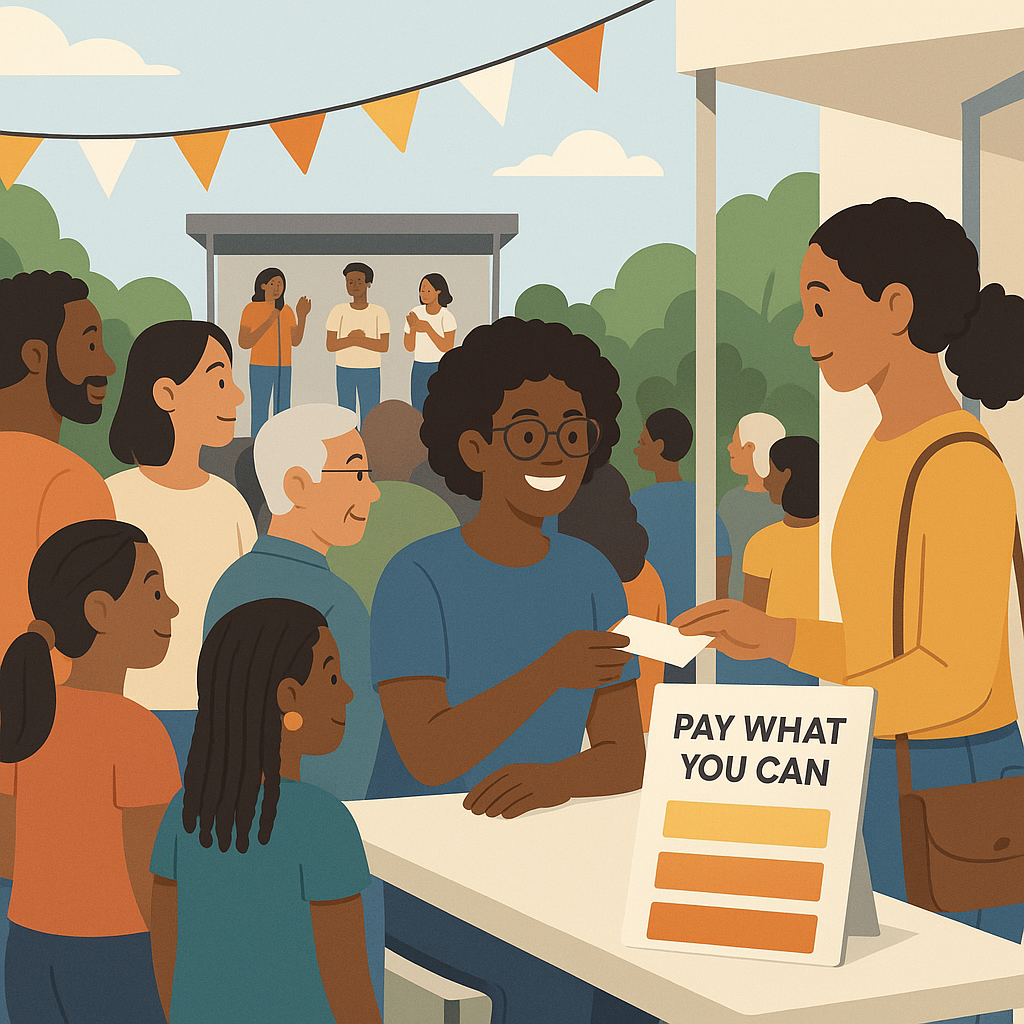
Let’s talk about pricing. Most ticketing platforms assume fixed prices. That’s fine for concerts at the O2, but not for your local heritage society or cultural group. Community events often rely on equity-focused models like “Pay What You Can” (PWYC). It’s not just a feel-good idea—it allows organizations to serve a broader audience while still covering costs.
Here’s the problem: platforms like Eventbrite and Ticketmaster don’t make PWYC easy. They’re built for rigid pricing structures and charge hefty fees (5-10% per ticket) that eat into your revenue. For a $20 ticket, you’re losing $2 to $4 right off the top. Multiply that by 200 attendees, and suddenly, you’re short hundreds of dollars.
Example: A volunteer-run cultural association in Birmingham recently hosted a family-friendly festival. Using PWYC pricing, they raised 20% more than expected because attendees who could afford more voluntarily contributed. Try doing that with a fixed $10 ticket.
CommunityTix flips this script. It lets you set up to three suggested price points plus a custom amount field. Attendees can pay what they’re able, and your organization keeps 100% of the revenue (minus standard PayPal processing fees). No platform fees, no surprises.
Actionable Steps for Nonprofits:
- Analyze Your Audience: Understand whether your attendees would benefit from flexible pricing. Are you targeting families, students, or underserved communities? PWYC could make your events more accessible.
- Experiment with Suggested Price Points: Try offering three suggested amounts—low, mid, and high—based on your event’s needs. For instance, a family-friendly festival might suggest £10, £15, or £20.
- Communicate Transparently: Let attendees know where their money goes (e.g., “100% of proceeds support youth art programs”). Transparency builds trust and encourages higher contributions.
Centralized Tools for Chaos-Free Event Management
Now let’s address the elephant in the room: managing events is chaotic. If you’re juggling spreadsheets, email chains, and physical sign-up sheets, you’re wasting time and risking errors. Add EU touring complexities—like visa paperwork for guest performers—and it’s a logistical nightmare.
CommunityTix tackles this problem head-on. It combines ticketing, RSVP tracking, and member management in one place. Need to limit capacity for a free workshop? Done. Want automatic confirmation emails sent to attendees? Easy. You can even track cash sales at the door for those who don’t book online.
Case Study: A community theater group in Manchester used CommunityTix for a sold-out production. With the dashboard, they tracked ticket sales, managed door check-ins, and even sent last-minute reminders to attendees. The result? A seamless event with zero no-shows and maximized revenue.
Actionable Steps for Event Planners:
- Consolidate Your Tools: Use a single platform for ticketing, RSVPs, and communication to save time and reduce errors.
- Set Event Alerts: Schedule automated reminders for attendees to improve turnout.
- Track Metrics: Monitor ticket sales and attendance in real-time to adjust your marketing or capacity as needed.
The Open-Source Advantage: No Vendor Lock-In
One of the loudest complaints we hear from nonprofits is about vendor lock-in. Big platforms hold your data hostage and force you to use their tools (and pay their fees) forever. That’s not how it should work.
CommunityTix is open-source, meaning you own your data, and there’s no lock-in. If you ever want to migrate to another system, your member list, ticket sales, and event history go with you. Total transparency.
Why Open-Source Matters:
- Data Ownership: You retain full control over your attendee information and sales data.
- Cost Savings: Avoid being locked into expensive subscription fees or hidden charges.
- Customizability: Developers can tailor the platform to your specific needs if required.
Comparison Table:
| Feature | CommunityTix | Eventbrite | Ticketmaster |
|---|---|---|---|
| Platform Fees | None | 6-10% per ticket | 10-15% per ticket |
| Flexible PWYC Pricing | Yes | Limited | No |
| Open-Source | Yes | No | No |
| Data Ownership | Full | Limited | Limited |
| Customization | High | Low | Low |
What’s Next for Nonprofits?
UK Music’s call to action is a step in the right direction. But it’s clear that legislative fixes won’t happen overnight. Nonprofits need to take control of their ticketing now—before rising costs and logistical barriers make events unsustainable.
Platforms like CommunityTix offer real solutions: flexible pricing, zero platform fees, and centralized management. If you’re running a small cultural association or community center, it’s worth a look. Why let ticket touts and rigid tools dictate your success?
FAQ: What Nonprofits Need to Know
1. What is ticket touting, and why does it matter to nonprofits? Ticket touting refers to the practice of reselling tickets at inflated prices. For nonprofits, this can deter attendees from participating in events, limiting accessibility and reducing overall engagement. It also creates competition that grassroots organizations can’t afford.
2. How does PWYC pricing work? PWYC pricing allows attendees to choose how much they pay, typically from a range of suggested amounts or a custom field. This model ensures accessibility while encouraging those who can contribute more to do so.
3. Are there hidden fees with platforms like CommunityTix? No. CommunityTix charges zero platform fees. The only cost you’ll incur is the standard PayPal processing fee (around 2.9%).
4. How does CommunityTix handle in-person ticket sales? The platform allows you to track cash or card payments at the door, ensuring all ticket sales—online and offline—are recorded in one system.
5. What if I need help setting up my first event? CommunityTix offers straightforward guides and community support to help you get started. Plus, being open-source, there are forums where developers and users share tips and solutions.
Ready to Simplify Your Ticketing?
If you’re tired of high fees and inflexible platforms, CommunityTix can help. Start your 30-day free trial today—no credit card required.