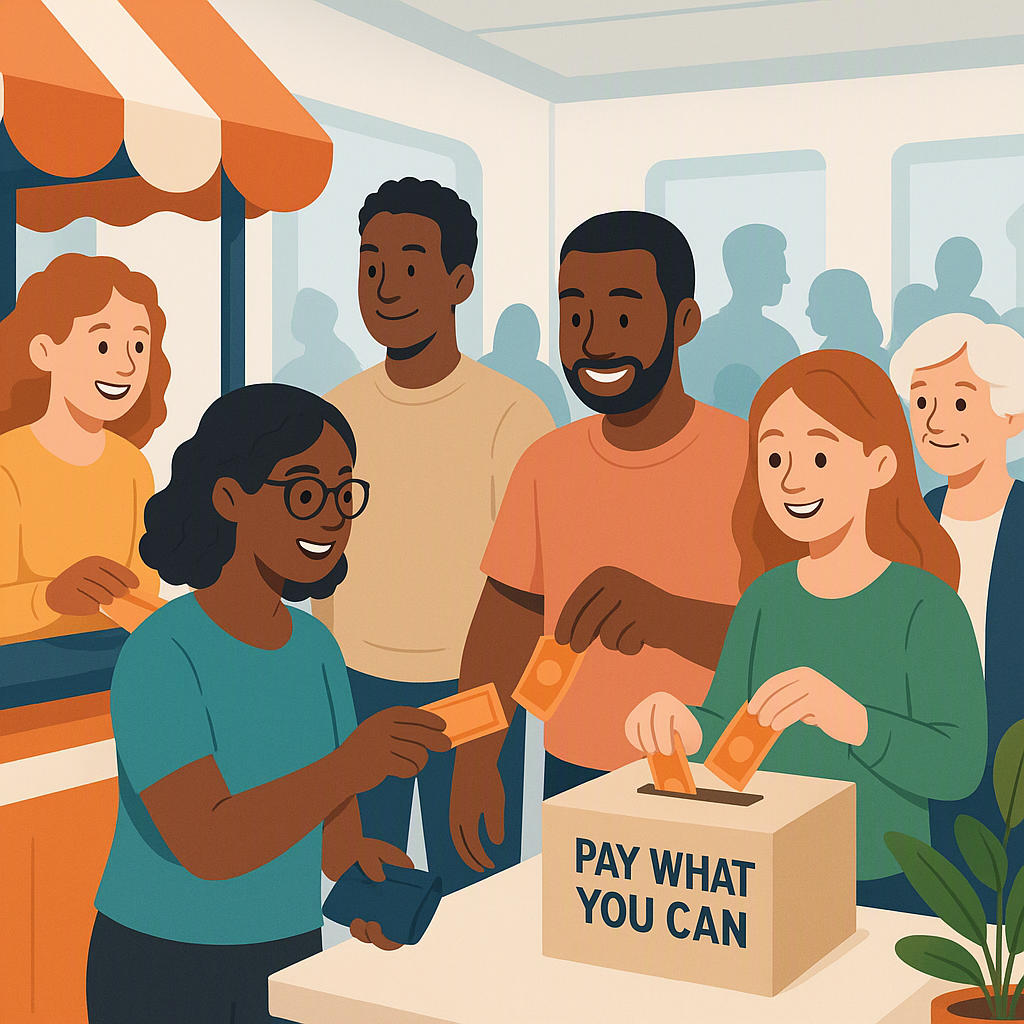
I Used to Think Leadership Changes Didn’t Matter for Small Nonprofits
When I first started helping community organizations plan events, I paid almost zero attention to the leadership changes in the big event industry associations. Why would I? Their world felt light-years away. They were talking about corporate conferences, high-end weddings, and international expos. We were trying to figure out how to sell samosas at our cultural fair without losing track of cash payments.
I saw their announcements about new chairs, new initiatives, and new priorities as just noise. Nice for them, but irrelevant to us. I was wrong.
What Changed My Mind? A Quiet Shift in 2026
In September 2026, the Meetings Industry Association (MIA) announced their new vice chair, a move that didn’t just signal a leadership shift—it hinted at larger changes happening in event planning. The new vice chair came from a background of community-driven events, not corporate conferences. They emphasized inclusivity, affordability, and technology access for smaller organizations. It wasn’t just a token mention in their press release; it was a focus.
And then the kicker: two weeks later, I saw a post from an MIA member, quoting the vice chair, about the importance of flexible revenue models for nonprofits. Not pricing models—revenue models. That hit home.
Because here’s the thing: nonprofits can’t just copy-paste corporate strategies. Charging high ticket prices for a gala isn’t feasible when your audience is mostly volunteers, students, or retirees. And until recently, most event platforms didn’t care. Pay What You Can (PWYC) models? Not even on their radar.
Why Did I Ignore This for So Long?
Honestly, my old thinking wasn’t crazy. Nonprofits and community groups have different realities. We’re not trying to impress Fortune 500 clients; we just want people to show up, have a good time, and maybe donate a little extra if they can afford it.
Plus, there’s the time factor. When you’re juggling a dozen tasks with an all-volunteer team, keeping up with the broader industry feels like a luxury. That’s a valid excuse—but not a good one.
The truth is, the MIA’s leadership shift wasn’t just about them. It reflected wider changes in what people expect from events. The pandemic taught us that audiences value flexibility, inclusivity, and transparency. They want options—whether that’s in how they pay or how they participate.
What Audiences Want Today
It’s worth breaking this down:
-
Flexibility: Attendees want more control over how they engage. From hybrid events to on-demand content, people expect choices.
-
Affordability: Economic uncertainty has made people more selective about event spending. PWYC pricing or sliding-scale models allow organizations to meet attendees where they are.
-
Inclusivity: Accessibility is no longer optional. Whether it’s providing language options, ensuring venues are ADA-compliant, or offering virtual access, inclusivity is a baseline expectation.
These shifts aren’t just nice-to-haves—they’re being baked into the DNA of event planning, even for small nonprofits.
What I Do Differently Now
Here’s the practical part: we started experimenting with flexible pricing. CommunityTix made this easier than I expected. Their Pay What You Can (PWYC) feature allows up to three suggested price points and a custom amount option. It’s simple but powerful.
How to Implement PWYC Pricing
If you’re considering PWYC pricing for your events, here’s a step-by-step guide:
-
Understand Your Audience: Survey your community to gauge their willingness to pay and their financial constraints. This will help you set realistic tiers.
-
Set Clear Price Points: Offer three suggested price levels (e.g., $5, $10, $20) and a custom option. Keep the lowest tier accessible but meaningful.
-
Communicate the Model: Be transparent about why you’re using PWYC. For example, explain that higher contributions subsidize those who can’t pay as much.
-
Use Technology: Platforms like CommunityTix handle PWYC seamlessly, tracking payments and providing analytics.
-
Evaluate and Adjust: After the event, review attendance and revenue data. Adjust tiers or messaging for future events.
Benefits We’ve Seen
For our annual heritage festival, we tried this model for the first time in 2026. We set tiers at $5, $10, and $20, with a “pay what you feel” option. To our surprise, many attendees chose to pay more than the lowest tier.
And it wasn’t just about revenue. We had more attendees overall. People who couldn’t afford a fixed ticket price still showed up and contributed what they could. Isn’t that the whole point of a community event?
What Being Wrong Cost Me
Had I started paying attention earlier, we might have avoided years of low turnout and budget stress. I can’t count how many times we set ticket prices too high for our audience, only to end up with half-empty rooms. Or worse, we made everything free and lost money on venue costs.
But here’s the thing: I’m still figuring this out. PWYC pricing isn’t perfect. Some events, like fundraisers, need more structure to ensure you hit targets. And tracking cash payments at the door? Still a headache. CommunityTix helps with on-site payment tracking, but it’s not magic. You need a system—and a patient volunteer with a clipboard.
Why This Matters for Nonprofits Right Now
The MIA’s leadership change reminded me that the nonprofit world isn’t as separate from the broader event industry as I once thought. Trends like flexible pricing, centralized tools, and inclusive planning aren’t just for big-budget conferences. They’re reshaping community event planning too.
And while most small organizations don’t have the resources to hire a technology director or spend hours analyzing industry updates, platforms like CommunityTix make it easier to adapt. You don’t need a full-time staff to manage members, events, and payments when everything’s in one place.
Decision Framework: Is PWYC Right for Your Event?
| Question | Considerations | Suggested Action |
|---|---|---|
| Is your audience diverse in income levels? | PWYC works best when affordability is a barrier. | Test with a small event first. |
| Does your event rely on ticket revenue? | PWYC might reduce predictability. | Combine with sponsorships or donations. |
| Do you have tools to track payments? | Manual tracking is error-prone. | Use platforms like CommunityTix. |
| Can you clearly communicate the model? | Transparency is key to audience trust. | Use email and social media to explain. |