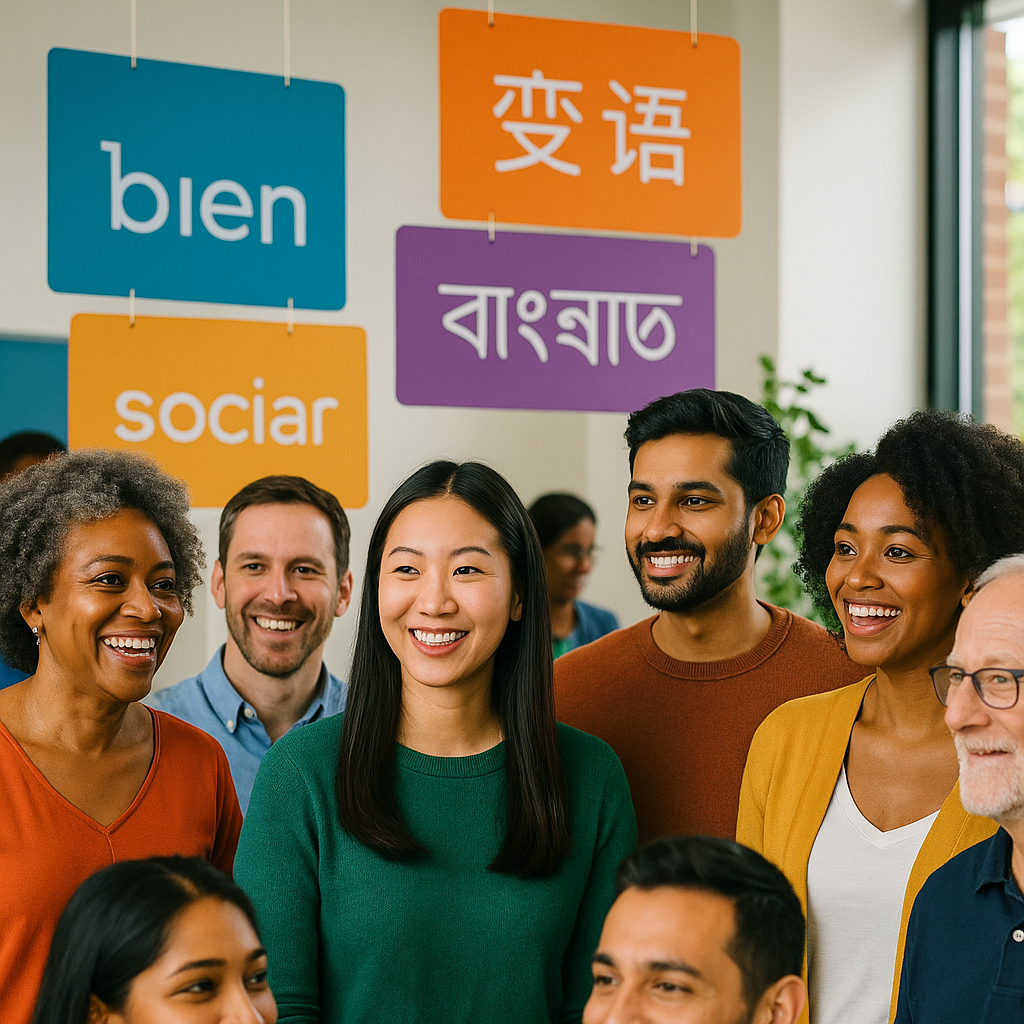
Human Sustainability Isn’t Just About Carbon Footprints
When people hear "sustainability," they often think of recycling bins, energy-efficient venues, or minimizing single-use plastics. But sustainability goes deeper than that. It’s not just about saving the planet — it’s also about the people living on it. Human sustainability focuses on wellbeing, inclusivity, and accessibility, especially in event planning.
Organisations like BMA House and Be In Your Element have embraced these principles, creating events that are welcoming for all, regardless of language, ability, or socioeconomic status. They’ve proven that sustainability isn’t just about carbon footprints — it’s about creating equitable experiences for the attendees.
Why Human Sustainability Matters in Events
Think about it: How inclusive is your event?
For example, let’s say your signage and programs are only available in English. If a large segment of your audience speaks a different language, they may struggle to engage or feel left out entirely. For community-focused events, this lack of inclusivity can seriously undermine your goals.
The impact of human sustainability goes beyond just logistics — it fosters trust, builds community, and enhances attendee experience. When people feel seen and respected, they’re more likely to engage fully and return for future events.
Why Multilingual Tools Matter
Here’s a hard truth: Diverse audiences require diverse solutions. A 2021 report by the United Nations source found that 40% of the global population speaks a language other than English at home. That’s nearly half the world! Hosting an event that caters only to English speakers risks alienating large portions of your audience.
Multilingual tools solve this problem. Platforms like CommunityTix integrate multilingual font support (e.g., Noto Sans), covering Latin, Bengali, Devanagari, and CJK scripts. This functionality allows event organizers to create materials that reflect the linguistic diversity of their audience.
Concrete Example: A Cultural Festival
Imagine you’re hosting a cultural festival that draws attendees from Mandarin-speaking and Bengali-speaking communities. With tools like CommunityTix, you can:
- Customize event flyers and signage to include both languages.
- Create a multilingual website where attendees can switch between language options.
- Hire staff fluent in the primary languages of your attendees to provide onsite support.
This approach isn’t just practical; it’s respectful. It signals to your audience that you value their participation and are willing to meet them halfway. That builds trust, a cornerstone of community-focused events.
Real Talk: Accessibility Meets Sustainability
It’s not enough to cater to diverse languages. Accessibility is another critical component of human sustainability. Take a leaf from BMA House and Be In Your Element, two organizations that excel at inclusivity. They design events with wheelchair-friendly layouts, clear signage, and multilingual staff on hand to assist attendees.
How CommunityTix Supports Accessibility
Platforms like CommunityTix complement these efforts by offering tools that make inclusivity easier. For example:
- Event Materials: Multilingual font support allows you to design promotional materials in multiple languages without needing expensive design agencies or translators.
- Ticketing: Attendees can view ticketing pages in their preferred language, making the process smoother and less intimidating.
- Member Management: You can store language preferences in a centralized database to personalize future events for your audience.
Case Study: BMA House’s Inclusive Events
BMA House’s approach involves ensuring all signage is not only multilingual but also highly visible and designed with accessibility guidelines in mind (e.g., large, readable fonts and high-contrast colors). They also offer virtual tours for attendees with mobility challenges, allowing them to plan their visit in advance.
These efforts showcase how accessibility and sustainability go hand-in-hand, creating events that are truly welcoming for everyone.
But What About Smaller Budgets?
You might be thinking, "This sounds great, but we don’t have the resources of a big corporation." Luckily, tools like CommunityTix are built with small organizations in mind. Their zero-platform-fee model means you keep 100% of your ticket revenue, and their multilingual features are included with no hidden costs.
Low-Budget Tips for Human Sustainability
Smaller organizations can still embrace human sustainability in meaningful ways:
- Translate Key Materials: Start with the basics — translate event flyers, social media posts, and signage into the most commonly spoken languages in your community.
- Use PWYC Pricing: Pay What You Can pricing models make events accessible to lower-income attendees while still generating revenue.
- Leverage Volunteers: Recruit bilingual volunteers or community members to help with translations and staff events.
These small steps can make a huge difference in fostering inclusivity without straining your budget.
The Bigger Picture
Human sustainability isn’t just a buzzword. It’s a commitment to making events inclusive, welcoming, and impactful for everyone. Platforms like CommunityTix empower organizations — big and small — to achieve these goals without breaking the bank.
If we want our events to truly resonate, we need to think beyond decor and recycling bins. Let’s focus on the people.
FAQ
Q: How can I start using multilingual tools for my events?
A: Begin by identifying the primary languages spoken by your audience. Platforms like CommunityTix offer built-in multilingual font support, which makes it easy to create event materials in multiple languages.
Q: Is multilingual support expensive?
A: Not at all! CommunityTix includes multilingual features in its zero-fee model, so you won’t pay extra for inclusivity. For smaller budgets, you can also start with free translation tools like Google Translate for basic materials.
Q: What types of events benefit most from human sustainability?
A: Community-focused events like cultural festivals, workshops, and fundraisers benefit the most. These events often attract diverse audiences, making inclusivity and accessibility essential for success.
Q: How do I measure the ROI of human sustainability?
A: Inclusivity builds trust and engagement. When attendees feel seen and welcomed, they’re more likely to return — and bring friends. You can track repeat attendance, social media engagement, and post-event surveys to measure impact.
Q: What should I prioritize with a limited budget?
A: Start small. Focus on making your event materials multilingual and improving accessibility for attendees with disabilities. Even small steps like translating key information or offering PWYC pricing can have a big impact.
Comparison Table: Multilingual Tools vs. Standard Event Platforms
| Feature | Multilingual Tools (e.g., CommunityTix) | Standard Event Platforms |
|---|---|---|
| Multilingual Font Support | Yes | Rarely Available |
| Zero Platform Fees | Yes | No |
| Accessibility Features | Built-in | Limited |
| Customizable Materials | Easy to tailor for diverse audiences | Requires external tools |
| ROI for Inclusivity | High | Moderate |
If you’re dealing with fragmented tools or struggling to make your events more inclusive, CommunityTix can help. Get started free →