Event Promotion Doesn’t Have to Be Complicated
Small community groups often face a tough challenge: promoting events with limited budgets and even fewer hands to help. Big-ticket platforms like Eventbrite might offer slick features but come with hefty fees that eat into your revenue. So, how do you make sure people show up without breaking the bank?
We’ve put together 9 practical examples that work for small organizations. Whether you’re running a cultural festival or a charity fundraiser, these ideas will help you get the word out.
1. Leverage Local Talent
Why pay for expensive performers when your community has talent waiting to shine? Partnering with local musicians, artists, and craftspeople can not only save money but also build stronger connections within your community. Here are actionable ways to implement this:
- Live Music: Feature community bands or solo performers instead of hiring big-name acts. Local talent often brings their own audience, which can increase attendance.
- Art Installations: Collaborate with local sculptors, painters, or photographers to create themed pieces for your venue. Offer them free entry or a small platform to sell their work post-event.
- Workshops: Invite local artisans to run hands-on workshops for attendees. For example, a pottery station or a painting corner.
By leveraging local talent, you create a mutually beneficial relationship. This approach not only saves money but also fosters a sense of community pride.
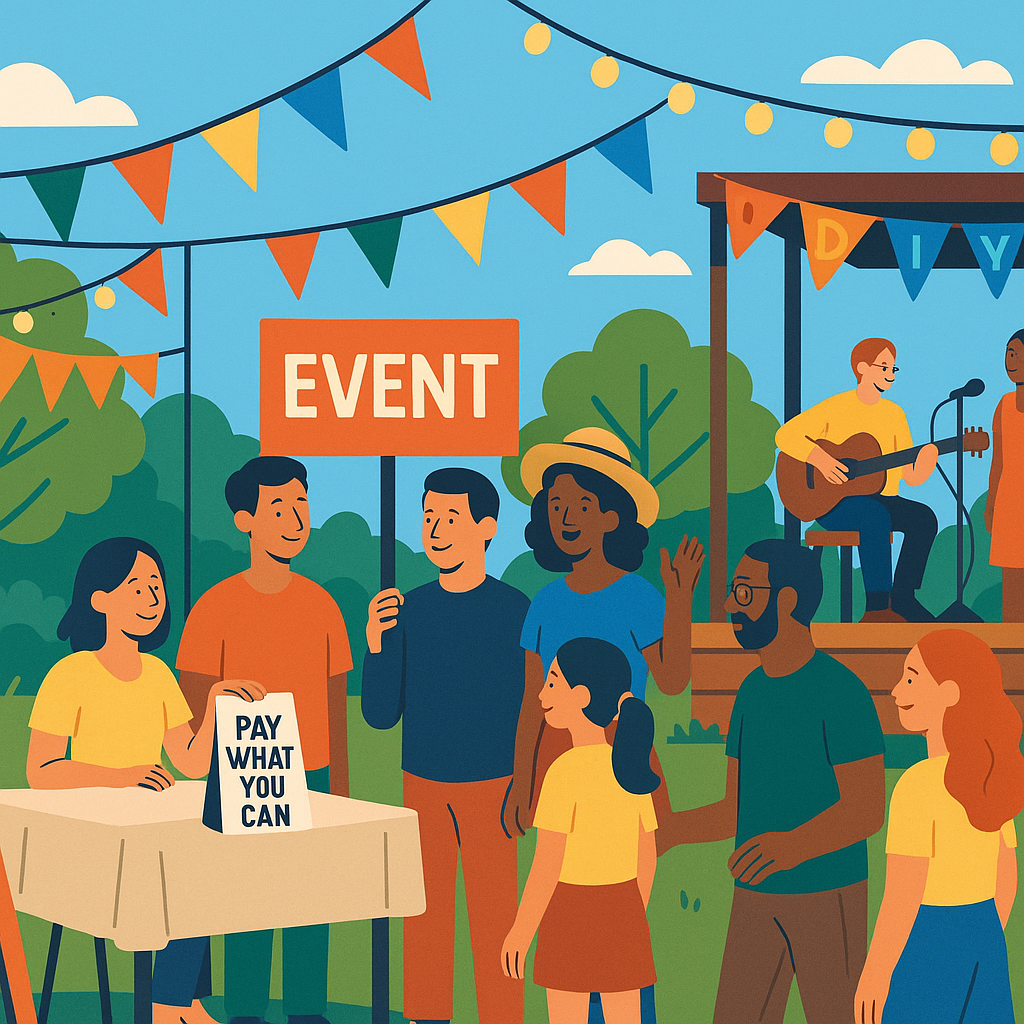
2. Use Pay What You Can Pricing
Not everyone can afford the same ticket price, especially for community-focused events. Offering flexible pricing makes your events more inclusive and accessible. Here’s how to structure this model effectively:
- Set Suggested Tiers: Offer three options, such as $10, $20, or $30, and clearly explain what each tier supports (e.g., $30 covers the cost of entry plus a donation to the cause).
- Custom Pricing: Allow attendees to enter their own amount if they can pay more—or less. This builds goodwill and encourages generosity.
- Highlight Transparency: Let attendees know where the proceeds go. For example, "Your ticket helps us cover venue costs and fund local community programs."
This model is particularly effective for events like charity dinners, cultural showcases, or fundraisers. Tools like CommunityTix’s Pay What You Can feature simplify the setup process.
3. Host Volunteer Craft Nights
Decorating your venue doesn’t have to mean hiring a professional decorator. Hosting a community craft night can yield beautiful DIY decorations and generate excitement about the event. Here’s how to organize it:
- Plan Ahead: Choose crafts that align with your event’s theme. For example, paper lanterns for a cultural festival or floral centerpieces for a gala.
- Provide Materials: Supply basic materials like paper, string, markers, and glue. Ask attendees to contribute any extras they may have.
- Make It Social: Turn the night into a mini-event with snacks, music, and an informal atmosphere. This helps build camaraderie among volunteers.
Not only is this cost-effective, but it also creates a sense of ownership among participants, making them more likely to attend—and promote—the event.
4. Create Interactive Zones
Passive attendees are less likely to spread the word about your event. Adding interactive zones can boost engagement and create memorable experiences. Here are some ideas:
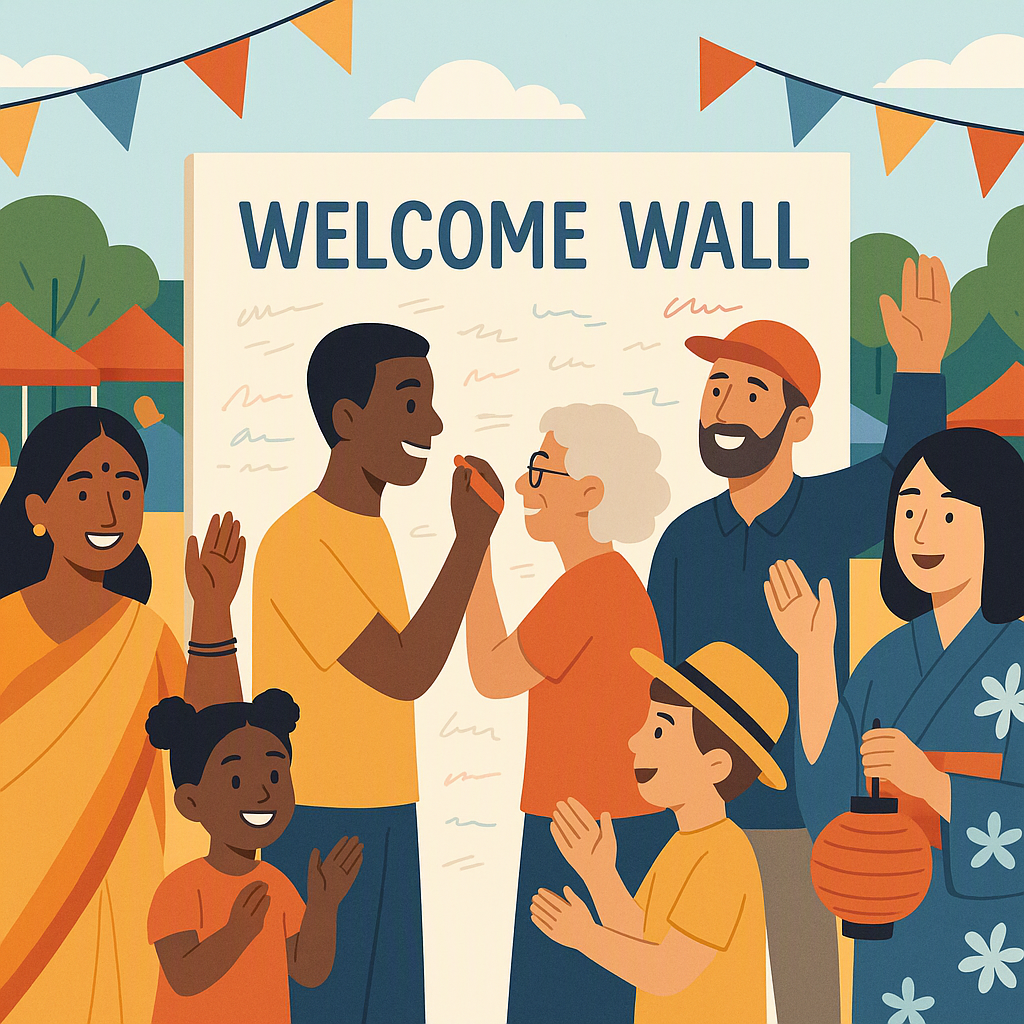
- Interactive Walls: Set up a chalkboard, whiteboard, or large paper wall where attendees can leave messages, share thoughts, or answer a themed question (e.g., "What does community mean to you?").
- DIY Photo Booth: Create a simple photo booth with props related to your event’s theme. Encourage guests to share their photos on social media with a dedicated hashtag.
- Activity Stations: Include hands-on activities like crafting, cooking demos, or trivia games. These stations not only entertain but also give attendees something to talk about.
Interactive zones work best when they encourage sharing on social media, amplifying your event’s reach.
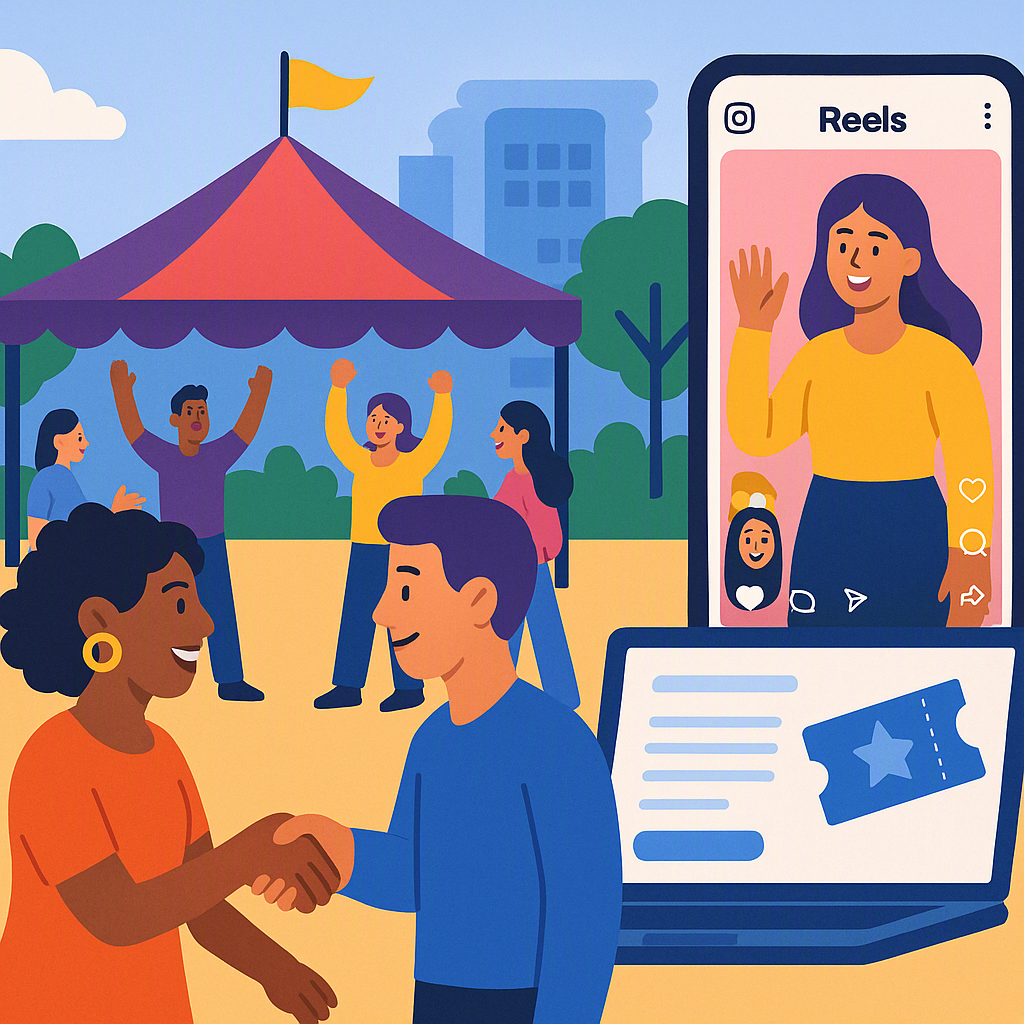
5. Leverage Social Media Events
Social media platforms like Facebook, Instagram, and Twitter are powerful tools for event promotion. Create an online event page and follow these best practices:
- Clear Event Pages: Include all essential details: date, time, location, ticket link, and a compelling description. Add high-quality images to make the event visually appealing.
- Regular Updates: Post countdowns ("5 days left to RSVP!"), behind-the-scenes photos, and performer spotlights to keep interest alive.
- Hashtags: Create a unique hashtag for your event. Encourage attendees to use it, making your event more discoverable.
- Boosted Posts: If you have a small budget, consider promoting posts to reach a targeted local audience.
Social media is particularly effective for reaching younger demographics and building word-of-mouth buzz.
6. Offer Early Bird Discounts
Creating urgency can significantly boost ticket sales. Early bird discounts are a simple but effective way to do this. Here’s how:
- Set Deadlines: Offer a discounted rate for tickets purchased by a specific date, such as two weeks before the event.
- Limited Availability: Create exclusivity by limiting the number of discounted tickets available.
- Promotional Messaging: Use phrases like "Save $5 when you book before [date]!" to highlight the value of booking early.
This strategy not only drives early sales but also helps you gauge initial interest and plan accordingly.
7. Partner With Local Businesses
Collaborating with local businesses can extend your promotional reach. Here’s how to create mutually beneficial partnerships:
- Cross-Promotions: Ask businesses to display your flyers, hand out tickets, or include your event in their newsletters. In return, promote their services during your event.
- In-Kind Sponsorships: Partner with local vendors to provide food, beverages, or prizes for your event. This reduces costs while giving them exposure.
- Joint Social Media Campaigns: Co-host giveaways or contests with your partner businesses to amplify reach.
For example, a local coffee shop could provide free drinks for your event in exchange for promotion.
8. Send Email Reminders
Don’t let people forget about your event, even if they’ve already RSVP’d. Email reminders are a practical way to keep your event top of mind. Here’s what to include:
- Event Details: Date, time, location, and a link to tickets or RSVP confirmation.
- Highlight What’s Special: Remind attendees of exciting features like performances, workshops, or giveaways.
- Timing: Send reminders a week before, a day before, and on the morning of the event.
Tools like CommunityTix automate confirmation and reminder emails, saving you time.
9. Track RSVPs and Adjust
Stop guessing about attendance numbers. Use RSVP tracking tools to monitor guest counts and adjust your plans accordingly. Here’s how:
- Low Numbers: Increase promotions on social media, offer last-minute discounts, or directly reach out to your community.
- High Numbers: Ensure you have enough supplies, staff, and space to accommodate everyone.
- Real-Time Updates: Use tools like CommunityTix to keep track of RSVPs and monitor trends.
Having accurate numbers reduces waste, saves money, and improves the attendee experience.
FAQ
Q: How do I encourage RSVPs for free events?
A: Add perks for those who RSVP, such as reserved seating, complimentary snacks, or access to exclusive activities. People are more likely to commit when there’s a tangible benefit.
Q: Are social media ads worth it for small groups?
A: Yes, but keep costs low by targeting specific audiences. Use location filters to reach local users and avoid wasting money on irrelevant clicks.
Q: What’s the best time to start promoting an event?
A: Start at least 4–6 weeks in advance. Build momentum with weekly updates, and ramp up promotion in the final two weeks.
Q: Can I promote without a website?
A: Yes, but having a central online hub is helpful. Use platforms like CommunityTix, which offer branded subdomains for your event listings.
Q: What if ticket sales are slower than expected?
A: Consider offering last-minute discounts, group ticket deals, or leveraging community networks for word-of-mouth promotion.
Decision Framework: Choosing the Right Promotion Strategies
| Strategy | Cost-Effective | Time Investment | Best For |
|---|---|---|---|
| Leverage Local Talent | High | Medium | Community festivals, fundraisers |
| Pay What You Can Pricing | Medium | Low | Charity events, cultural shows |
| Craft Nights | High | High | Themed events, galas |
| Interactive Zones | Medium | Medium | Youth-focused events, socials |
| Social Media Events | High | Low | Broad audience reach |
Ready to Simplify Event Management?
If you’re tired of juggling spreadsheets and chaotic RSVPs, CommunityTix can help. With tools like flexible pricing, RSVP tracking, and branded event pages, it’s built for small community groups. Get started free →