Grassroots Event Marketing: Strategies That Actually Work
Promoting a community event is tough when you’re working with limited resources. No budget for ads. No dedicated marketing team. Maybe even no website. Sound familiar? That’s the reality for a lot of small community groups.
But here’s the good news: you don’t need a Fortune 500 budget to fill seats. What you need is a clear, actionable plan and the right tools. Let’s walk through some practical strategies that work for grassroots organizations.
1. Start With Your Core Members
Your first audience is always your members. They’re your most loyal supporters, and they’re the ones most likely to promote your event to their friends and family. But here’s the catch: if your member database is a mess, you’re starting at a disadvantage.
Actionable Steps:
- Audit Your Member List: Start by checking the accuracy and completeness of your member database. Are emails up to date? Are names spelled correctly? Remove duplicates and inactive members.
- Use a Member Management Tool: Tools like CommunityTix or Wild Apricot help you organize your member list while syncing it directly with event RSVPs. This means every new RSVP gets added to your database automatically.
- Engage Early: Announce the event to your members first. Provide exclusive perks, like early ticket access or discounted rates, to incentivize their participation.
Why It Matters:
When your core members feel valued and included, they’re more likely to promote your event to their networks. For grassroots groups, word-of-mouth through loyal supporters can be more effective than paid ads.
2. Leverage Your Local Networks
Community marketing is personal. You’re not just selling tickets—you’re inviting people to something that matters to them. Reach out to local influencers, other community organizations, and nearby businesses to help amplify your event.
Actionable Steps:
- Identify Key Local Players: Make a list of community influencers, organizations, and businesses that align with your event’s mission. For example, if you’re hosting an environmental workshop, reach out to local eco-groups and sustainable businesses.
- Create Win-Win Partnerships: Offer something in return for their support. For instance, local businesses could sponsor a raffle prize in exchange for promotion.
- Collaborate on Content: Ask local influencers or organizations to co-create content with you, like blog posts, social media shoutouts, or event videos. This increases credibility and visibility.
Comparison of Collaboration Methods:
| Method | Pros | Cons |
|---|---|---|
| Social Media Shoutouts | Quick and inexpensive | Limited reach if influencer isn’t popular locally |
| Co-hosted Events | Shared audience and resources | Requires more coordination |
| Sponsorships | Financial or promotional support | May require offering perks like free tickets or ad space |
3. Make Pricing Accessible
Pricing can make or break attendance. Charge too much, and you’ll scare people away. Charge too little, and you might not cover your costs. One solution? Offer Pay What You Can (PWYC) pricing.
Actionable Steps:
- Set Suggested Tiers: Provide clear payment tiers to guide attendees. For example:
- $5: Student/low-income rate
- $10: General admission
- $20: Supporter tier
- Explain the Model: Use your marketing materials to explain why you’re offering PWYC. Transparency builds trust and encourages people to pay what they can afford.
- Track Payments: Use event management tools like CommunityTix to monitor payment breakdowns and ensure you’re covering costs.
Why PWYC Works:
Equity-focused pricing ensures inclusivity while still allowing higher-income attendees to contribute more. It’s especially effective for community events where financial barriers might deter attendance.
4. Use Email Marketing Wisely
Email is still one of the best ways to promote a community event. But here’s the thing: blasting out generic emails to everyone on your list doesn’t work. You need to segment your audience.
Actionable Steps:
- Segment Your List: Divide your email list into groups based on behavior, like past attendees, most active members, and newcomers.
- Personalize Messages: Use the recipient’s name and tailor the content to their interests. For example, highlight family-friendly aspects of your event for parents.
- Create a Schedule: Plan emails strategically:
- 6 weeks before: Save the date announcement.
- 4 weeks before: Early bird ticket reminder.
- 1 week before: Last chance to RSVP.
Tools to Streamline Email Marketing:
| Tool | Features | Pricing |
|---|---|---|
| Mailchimp | Segmentation, automation, analytics | Free for small lists |
| Constant Contact | Event-specific email templates | Paid plans start at $9.99/month |
5. Don’t Rely Solely on Social Media
Social media is important, but it’s not the magic bullet people think it is. Organic reach is declining, and algorithms can be unpredictable. Use it as part of your strategy, not the whole thing.
Actionable Steps:
- Create an Event Page: Use Facebook or LinkedIn to set up an event page for RSVPs and updates.
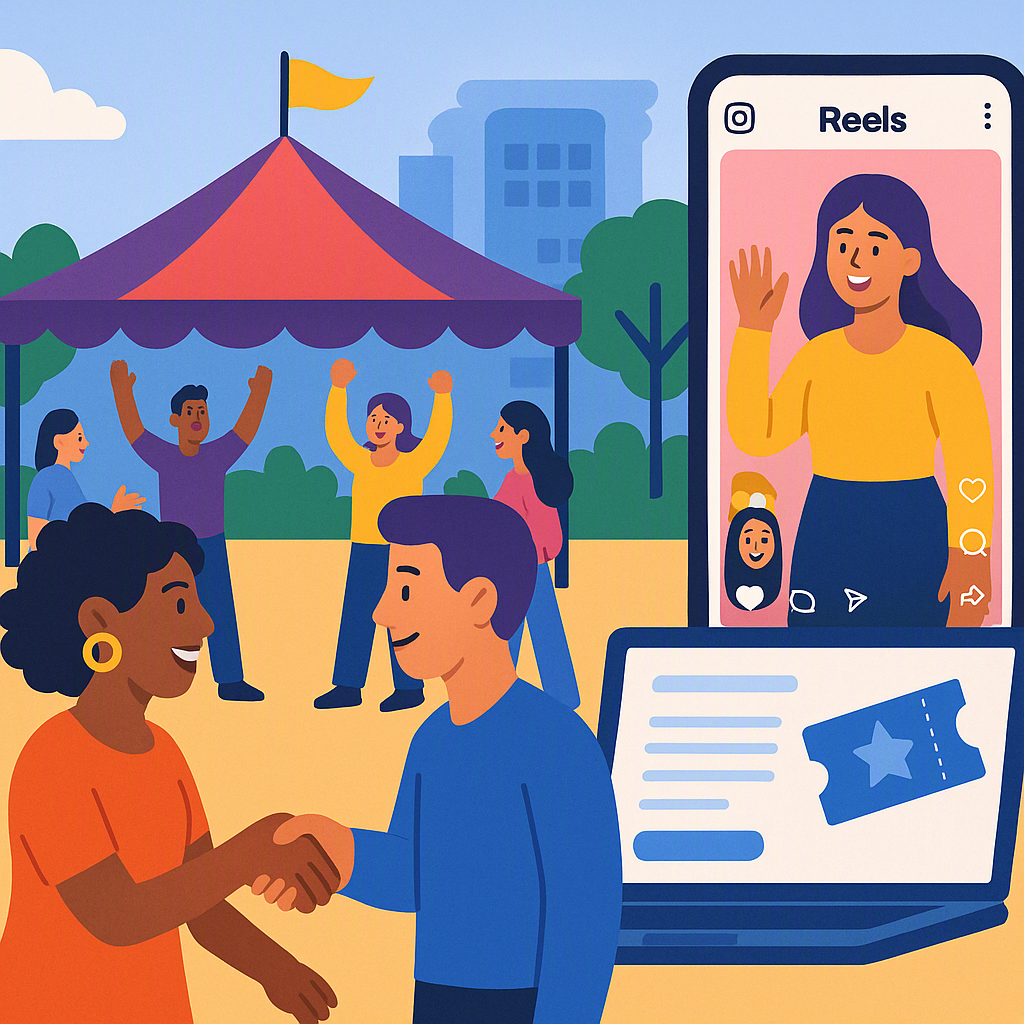
- Go Visual: Share behind-the-scenes photos or videos via Instagram Stories to build excitement.
- Explore Offline Channels: Post flyers in local cafes, libraries, and community centers to reach people who aren’t online.
Comparison: Online vs. Offline Promotion
| Channel | Pros | Cons |
|---|---|---|
| Social Media | Immediate and shareable | Algorithm limits reach |
| Flyers | Tangible and local-focused | Labor-intensive |
| Email Campaigns | Direct and personalized | Requires a good email list |
6. Streamline Event Operations
Let’s be honest: event logistics can be chaos. From tracking RSVPs to handling last-minute ticket sales at the door, things can fall apart quickly if you don’t have a system in place.
Actionable Steps:
- Automate RSVPs: Use tools like CommunityTix to track registrations, set capacity limits, and send automatic confirmations.
- Simplify Check-In: Use QR codes or digital tickets for quick entry. CommunityTix allows you to scan tickets via a smartphone.
- Prepare for On-Site Sales: Have a system for cash and card payments at the door.
Why Streamlining Matters:
When logistics run smoothly, you spend less time troubleshooting and more time engaging attendees. This improves the overall experience and increases the likelihood of repeat attendance.
FAQ: Common Questions About Grassroots Event Marketing
Q: What’s the best free way to promote a community event? A: Start with your existing members and networks. Email campaigns, local partnerships, and in-kind sponsorships cost nothing but time—and they’re incredibly effective for small groups.
Q: How do I make events more inclusive? A: Use flexible pricing models like Pay What You Can. Also, choose accessible venues and clearly communicate accommodations (e.g., wheelchair access, translation services).
Q: How can I avoid losing money on ticketing fees? A: Use a zero-fee platform like CommunityTix. You keep 100% of ticket revenue, minus standard PayPal processing fees.
Q: What if my audience isn’t online? A: Combine digital efforts with offline tactics. Post flyers in local hotspots, partner with community groups, and use word-of-mouth to spread the word.
Q: How far in advance should I start promoting my event? A: Ideally, 6-8 weeks. This gives you time to build momentum, especially if you’re relying on grassroots methods.
Ready to Simplify Your Event Marketing?
If your current tools feel scattered, it’s time to try something better. CommunityTix unifies ticketing, member management, and event logistics into one affordable platform.