How Small Groups Can Market Events Without Paying Promotion Companies
Here’s a scenario: you’re part of a small community group planning an event. You’ve got a limited budget, no marketing team, and a volunteer base already stretched thin. Hiring an event promotion company sounds tempting, but the cost? Completely out of reach. So, how do you compete with bigger organizations that can afford flashy campaigns?
The good news? You don’t need a big agency to market your events effectively. You just need the right strategies and tools. Let’s break it down.
The Problem with Event Promotion Companies
Event promotion companies charge a premium for their services. You’re not just paying for Google Ads or social media campaigns—they’ll bill you for their expertise, their time, and sometimes even for using their preferred tools. For a small group hosting a handful of events a year, those costs pile up fast. And let’s be honest, most of their strategies are things you can do yourself with the right setup.
Does this mean you should never outsource promotion? Not necessarily. But for small community organizations, it’s often overkill. Why pay someone else a significant portion of your revenue when you’re already working on a shoestring budget?
DIY Event Marketing: Where to Start
1. Leverage Your Community
Your best promoters aren’t strangers—they’re your members, attendees, and supporters. People who care about your mission are often happy to spread the word. Make it easy for them:
- Share ready-made templates for social media posts.
- Provide them with event flyers or graphics they can share.
- Create a hashtag for your event and encourage people to use it.
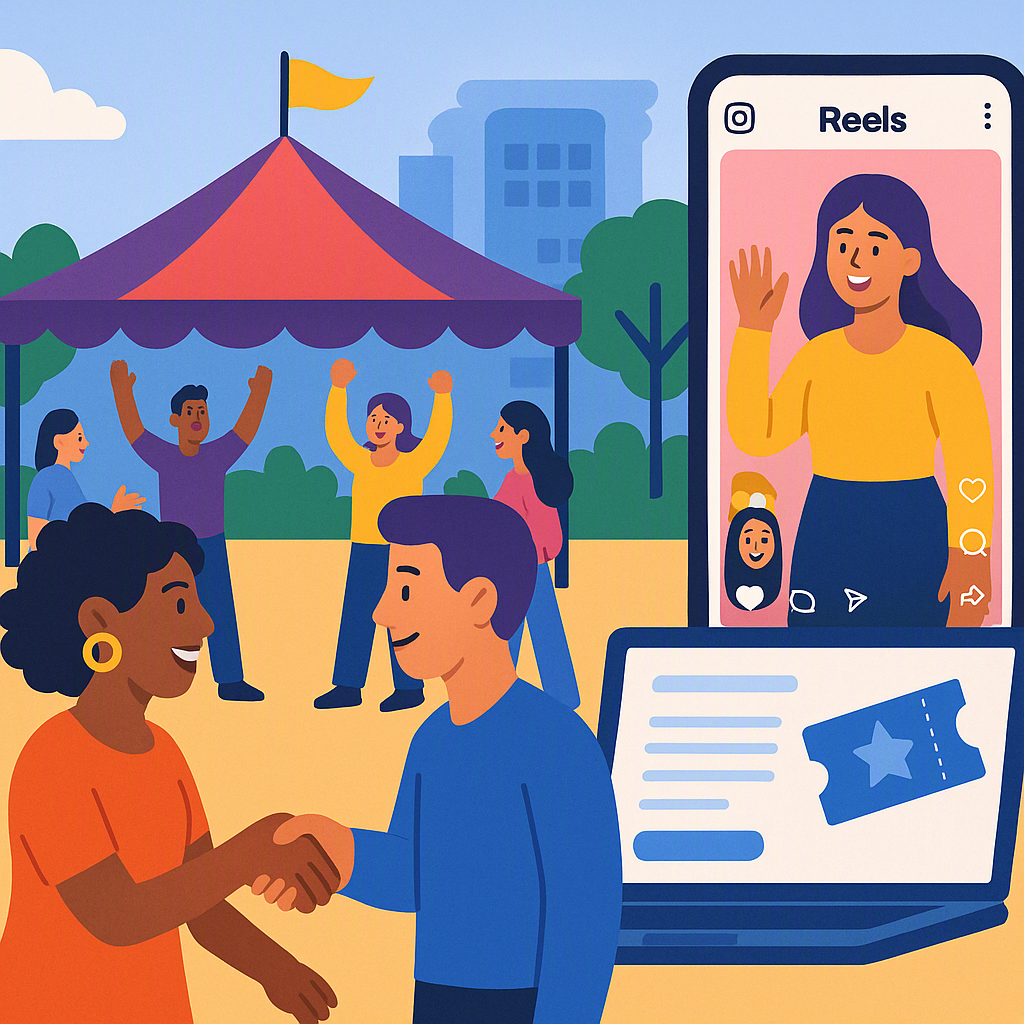
For example, if you’re hosting a cultural festival, encourage members to share a photo from the last event with the hashtag #LocalFestival2023. Personal stories and photos from past events are far more engaging than generic ads.
2. Use Free (or Nearly Free) Platforms
Social media is an obvious choice, but don’t just post once and call it a day. Build a schedule of posts leading up to the event. Mix it up with:
- Countdown posts (e.g., "3 days to go!").
- Behind-the-scenes content (setting up, volunteer prep).
- Highlights from past events (photos, testimonials).
Platforms like Facebook Events can be particularly effective for local audiences. Pair that with tools like Canva for creating simple but professional-looking graphics.
3. Simplify Ticketing and RSVPs
Here’s where many small groups hit a wall: managing ticket sales and RSVPs. Using spreadsheets or a clunky email system quickly turns into chaos. But you don’t need to splurge on an expensive event tech platform.
Illustrative example — A free, open-source tool designed for small community organizations could allow you to:
- Create branded event pages (no need to build a website from scratch).
- Offer flexible pricing, including "Pay What You Can" options.
- Track RSVPs and ticket sales in one place.
Why does this matter for marketing? Because you can focus on promoting your event instead of dealing with logistical headaches. Plus, a professional-looking event page boosts credibility and makes it easier for people to share your event.
4. Tap Into Local Networks
You don’t need a massive audience to fill seats. Focus on reaching people in your immediate community. Here are some ideas:
- Partner with local businesses to distribute flyers or include your event in their newsletters.
- Ask local schools, libraries, or community centers to share your event with their networks.
- Post in local Facebook groups or Nextdoor forums.
It’s not about spamming—focus on why your event benefits the community. For example, if you’re hosting a charity walk, emphasize how it supports a local cause.
5. Offer Incentives
People love a good deal. Use incentives to get early sign-ups or encourage word-of-mouth:
- Early bird ticket discounts.
- Group rates for families or friends.
- Free perks for the first 50 attendees (e.g., a reusable tote bag or a free drink).
A flexible ticketing tool can make this easy by letting you set up multiple ticket types and price points.
Why Flexible Pricing Levels the Playing Field
One of the most overlooked tactics for small groups is flexible pricing. Traditional ticketing platforms assume a fixed price, but not everyone in your audience can afford the same amount. Flexible pricing allows attendees to choose what they can pay, removing financial barriers while still supporting your event.
Illustrative example — You could set up to three suggested price points (e.g., $5, $10, $20), and attendees can choose one of those amounts or enter a custom amount. This approach ensures inclusivity while allowing those who can contribute more to do so.
What About On-Site Payments?
Not everyone buys tickets online, especially for smaller groups. That’s why it’s smart to have a system for tracking on-site payments. A good ticketing tool should offer an option for recording cash or card-at-door transactions, so you’re not juggling paper receipts (or worse, losing track).
Here’s a tip: promote that tickets are available online and at the door. Some attendees decide last minute, so don’t make it hard for them.
Common Mistakes to Avoid
- Too Many Tools: Using separate platforms for ticketing, promotion, and member management wastes time. Stick to unified tools.
- Ignoring Follow-Up: After the event, thank attendees and ask for feedback. This strengthens your connection and makes promotion easier next time.
- Relying on a Single Channel: Don’t just post on Facebook and call it a day. Use a mix of email, social media, and local partnerships.
- Skipping Analytics: Use basic stats on sales and attendance to refine your future events.
The Bottom Line
You don’t need to hire an expensive event promotion company to compete. By using the right tools and strategies, small groups can create professional, well-attended events without breaking the bank.
If you’re tired of juggling spreadsheets, emails, and endless event logistics, explore free or low-cost tools designed for small organizations. With the right approach, you can focus on what matters most: creating meaningful events for your community.