How to Turn Community Events into Measurable Revenue
For years, many organizers believed community events couldn't be serious revenue drivers. They were often seen as tools for outreach, engagement, and goodwill rather than profit-making ventures. While breaking even was a common goal, generating significant revenue seemed unrealistic, especially with the high ticketing fees charged by platforms like Eventbrite or Ticketmaster.
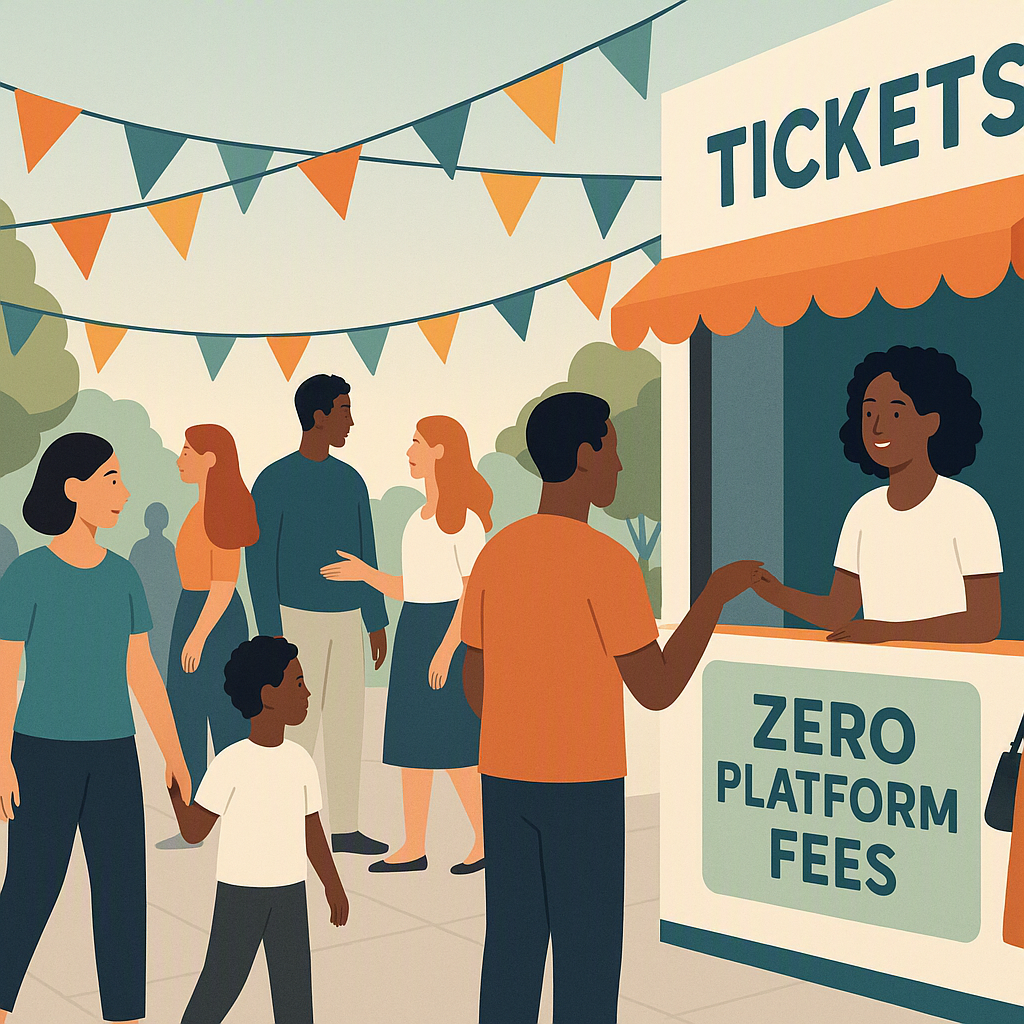
What changed this perspective for some organizations was the introduction of zero-fee ticketing models. These platforms allow organizations to keep 100% of their ticket revenue, aside from minimal payment processing fees. This approach has proven to be a practical way to turn events into revenue that stays within the community. Let’s explore how this works.
Why Ticketing Fees Can Hurt Your Bottom Line
If you’ve run community events, you’ve likely experienced the impact of ticketing fees. Popular platforms often charge organizations a percentage of each ticket sold, which can significantly reduce the funds available for future programs or event enhancements.
While these platforms offer convenience and visibility, the cost of their services can be prohibitive for community organizations operating on tight budgets. Every rupee saved can be reinvested into better marketing, improved event experiences, or essential resources for the community.
Zero-fee ticketing platforms address this issue by eliminating platform fees, allowing organizations to retain more of their revenue. This can make a meaningful difference in funding future initiatives or expanding the scope of events.
Making Revenue Measurable: Pay What You Can Pricing
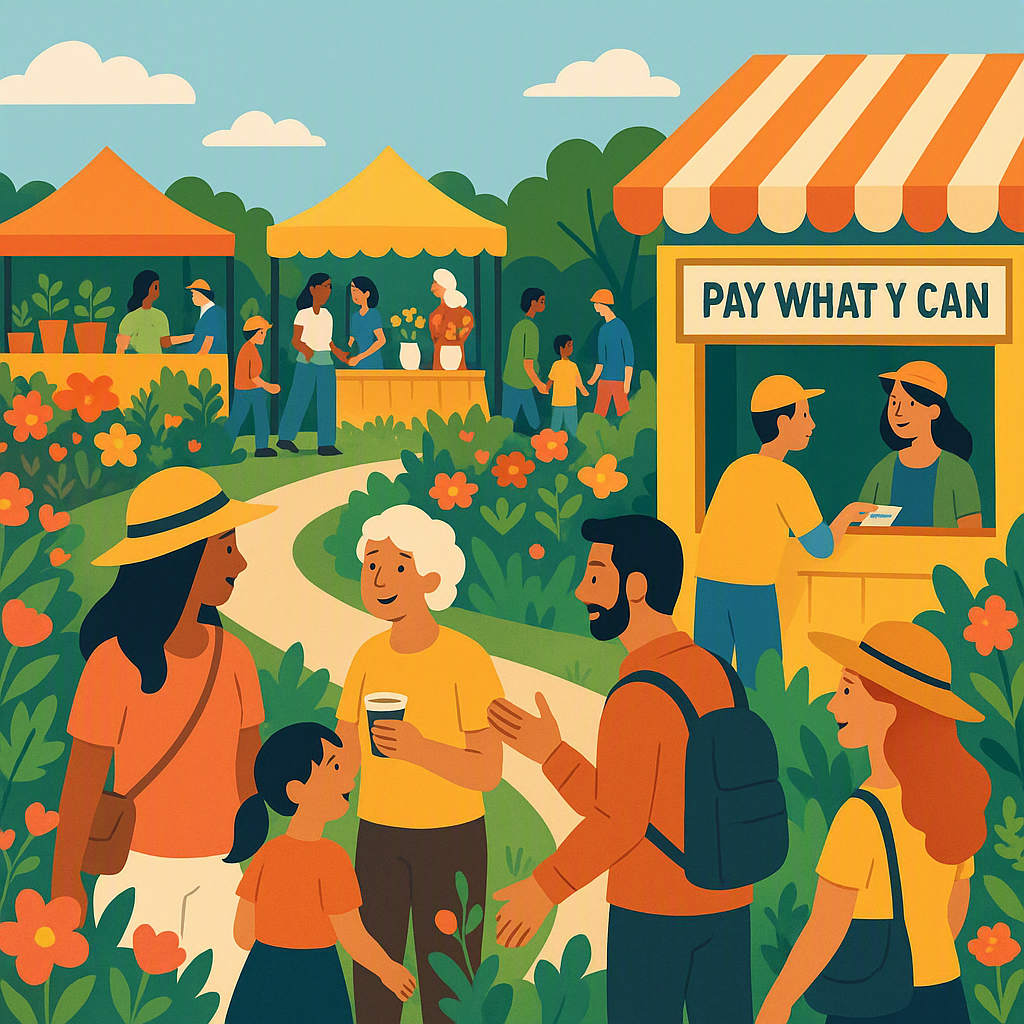
Revenue doesn’t always mean charging a fixed ticket price. Some events benefit from flexible pricing models, especially when equity and inclusivity are priorities. Pay What You Can (PWYC) pricing allows attendees to choose their contribution from suggested amounts or enter their own.
This approach can help organizations reach a broader audience while encouraging generosity. It’s a strategic way to balance accessibility with revenue generation. Platforms that support PWYC pricing make it easy to implement without requiring additional tools or complex setups.
Tracking Walk-In Revenue: Simplifying On-Site Payments
Community events often attract walk-in attendees, especially festivals or heritage events. Managing on-site payments can be challenging, particularly when dealing with cash transactions and manual record-keeping.
Some ticketing platforms offer built-in tools for tracking cash collections and recording card payments at the door. These features streamline the process, providing an accurate picture of total revenue—both online and offline—without the need for time-consuming reconciliations. This helps organizations better understand their finances and plan for future events.
Why the Old Belief Persisted
Many organizers have long accepted ticketing fees as an unavoidable cost of hosting events. Established platforms dominate the market, offering user-friendly interfaces and extensive branding that make them appear indispensable.
However, alternatives do exist. Zero-fee ticketing platforms provide a viable option for organizations willing to explore new solutions. By switching to these platforms, community groups can retain more of their hard-earned revenue and reinvest it into their missions.
What We Do Differently Now
Organizations that adopt zero-fee ticketing models often find their events become more profitable. They can set lower ticket prices to make events more accessible while still generating the revenue needed to sustain their programs. Flexible pricing options, such as PWYC, further enhance inclusivity and encourage higher contributions from attendees who can afford to give more.
Streamlined on-site payment tracking also saves time and reduces errors, freeing up volunteers to focus on other event tasks. These changes may not be flashy, but they are effective in keeping more money within the community.
FAQ
Q: Is zero-fee ticketing really free?
A: Yes, zero-fee ticketing platforms charge no platform fees. The only cost is typically a small payment processing fee.
Q: How does PWYC pricing affect revenue?
A: Flexible pricing often increases total revenue by encouraging attendees to give more while keeping events accessible to a wider audience.
Q: Can zero-fee ticketing platforms handle large festivals or just small events?
A: Many zero-fee platforms are designed for small to mid-sized events but can scale for larger ones with features like RSVP tracking and capacity limits.
Q: What’s the catch?
A: Zero-fee ticketing platforms are often open-source and rely on donations or grants instead of charging platform fees.
Q: How do I get started?
A: Research zero-fee ticketing platforms and choose one that fits your organization’s needs. Many offer free trials to help you get started.
Conclusion
Community events don’t have to be financial drains. By leveraging zero-fee ticketing platforms and adopting strategic pricing models, organizations can transform their events into sustainable revenue sources. These changes not only benefit the organization but also strengthen the community by keeping more resources local. If you’re ready to explore new ways to fund your events, consider trying a zero-fee ticketing platform today.