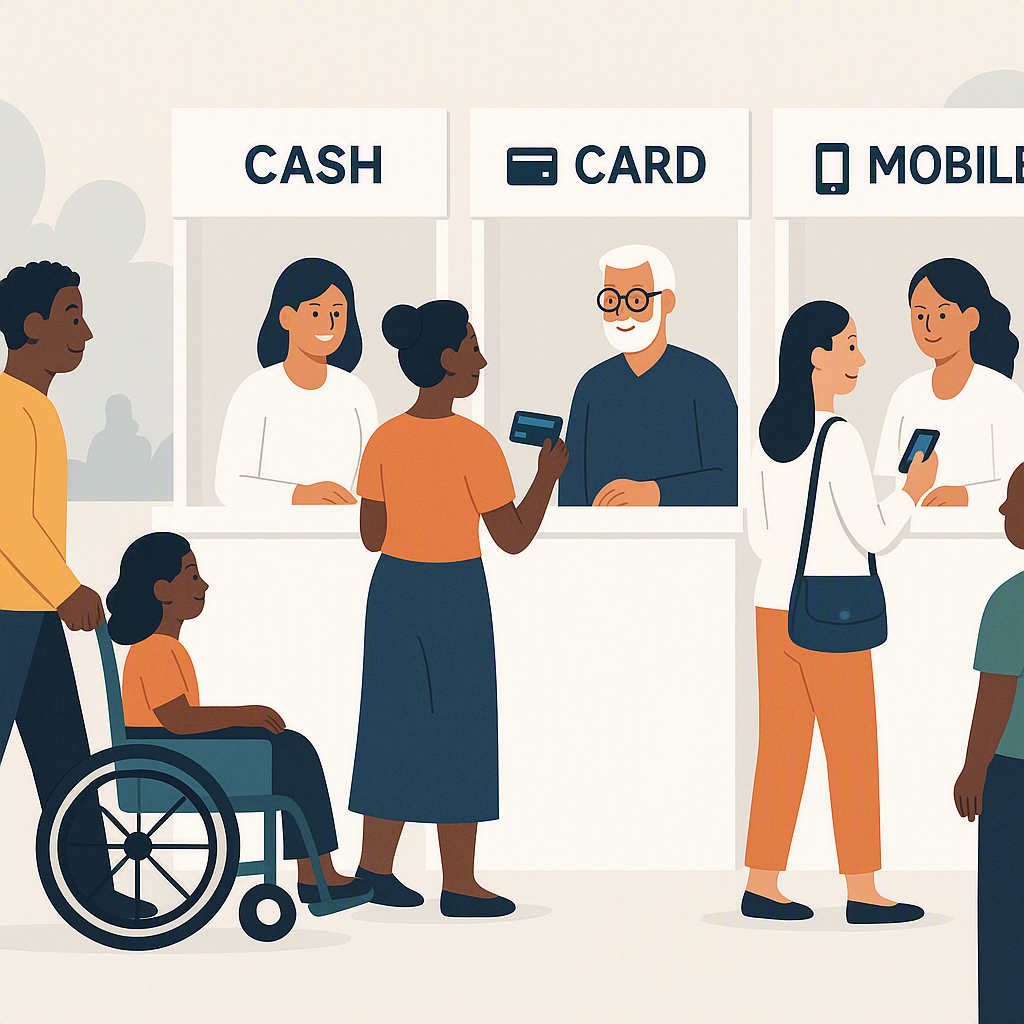
Why Showsec’s Approach Matters for Community Events
Showsec might be a big name in event security, but their strategies aren’t just for massive festivals or stadium concerts. Community groups can borrow plenty of ideas from their playbook. From meticulous planning to efficient crowd control, their methods offer lessons for smaller events that want to run smoothly and safely without breaking the bank.
Take crowd management, for example. Showsec is known for assigning specific roles to their staff, ensuring every team member knows their responsibilities before the event even begins. This eliminates confusion and keeps things moving. For community groups, this translates to better volunteer coordination. Instead of scrambling to figure out who’s manning the ticket booth or handling RSVPs, assign roles upfront, communicate clearly, and keep a clear record of responsibilities.
The Chaos of Volunteer Coordination
Let’s be honest—most community events are run by volunteers, not trained professionals. That’s both a blessing and a curse. Volunteers bring passion, but they don’t always have the experience or tools to manage complex tasks like ticketing or crowd control. This lack of coordination can lead to chaos: long lines at the entrance, lost revenue, and frustrated attendees.
We’ve all seen it happen. For example, consider an outdoor fair organized by a local community group. Volunteers were enthusiastic but disorganized: no one had a schedule, and responsibilities overlapped. A ticket booth volunteer left mid-shift without notifying the team, leading to a bottleneck at the entrance. By the end of the day, the organizers had no clear record of ticket sales, and the event fell short of its fundraising goal.
Contrast this with a Showsec-inspired approach, where roles are clarified and tools are used to simplify operations. Even with a team of volunteers, planning ahead and using the right systems can eliminate confusion and ensure a professional-level experience for attendees.
How to Fix Volunteer Coordination: Actionable Steps
-
Define Roles Early: Create a list of all necessary tasks (e.g., ticket sales, attendee check-in, parking management). Assign each role to a specific volunteer well in advance.
-
Create a Volunteer Handbook: A simple guide outlining roles, schedules, and key protocols can help volunteers feel confident and prepared.
-
Use Communication Tools: Platforms like Slack or WhatsApp can keep your team connected before and during the event.
-
Centralized Scheduling: Use tools like Google Sheets or event platforms to create a master schedule that’s accessible to everyone.
What Would Showsec Do?
Showsec’s system relies on clear communication, pre-event planning, and centralized tools. They use digital systems to assign roles, track attendance, and ensure everyone is on the same page. Community groups can achieve similar results without the hefty price tag by using platforms built for small organizations—like CommunityTix.
With CommunityTix, you can:
- Set up an RSVP system that tracks guest counts in real-time.
- Send confirmation emails to attendees.
- Record and reconcile cash payments at the door.
This eliminates the need for scattered spreadsheets and manual tracking. Volunteers know their roles in advance, and event organizers can focus on creating a great experience instead of troubleshooting logistical headaches.
Key Benefits of Using CommunityTix:
- Simplicity: Everything—ticketing, RSVPs, and payments—stays in one platform.
- Efficiency: No more chasing down payment records or reconciling mismatched attendee lists.
- Professionalism: Volunteers can easily follow clear processes, reducing errors and confusion.
Safety First: Lessons from Showsec
Another big takeaway from Showsec’s strategies is their focus on safety. They create detailed crowd control plans, including evacuation routes and emergency protocols. Community events often overlook these elements, especially smaller ones. But even a 200-person event can spiral out of control without proper safety measures.
For example, a community theater group in Manchester recently used CommunityTix to manage a sold-out production. They capped ticket sales to match venue capacity, tracked attendance using the platform’s dashboard, and sent reminders to attendees about safety guidelines. The result? No overcrowding, no confusion, and no safety issues. This shows that small groups can adopt big-league safety strategies with the right tools and planning.
Actionable Safety Tips for Community Events
-
Know Your Venue’s Capacity: Overcrowding isn’t just inconvenient—it’s dangerous. Work with your venue to determine the legal and safe capacity, and don’t exceed it.
-
Create an Evacuation Plan: Map out emergency exits and communicate them to volunteers and attendees.
-
Train Volunteers on Safety Protocols: Even a quick briefing session on the day of the event can make a big difference.
-
Monitor Attendance in Real-Time: Platforms like CommunityTix let you track check-ins as they happen, so you know exactly how many people are on-site.
-
Prepare for Medical Emergencies: Have a basic first-aid kit on hand, and make sure someone on your team knows how to use it.
Why Centralized Tools Are Non-Negotiable
One of Showsec’s core principles is operational efficiency. They use centralized systems to manage staff schedules, track resources, and monitor event progress. Community groups can benefit from the same approach. Fragmented tools—one for ticketing, another for RSVPs, and yet another for member lists—create chaos. When everything runs through one platform, it’s easier to stay organized and avoid mistakes.
How CommunityTix Simplifies Event Management:
| Feature | What It Does | Why It Matters |
|---|---|---|
| Ticketing & RSVPs | Handles ticket sales, RSVPs, and attendee check-in in one place. | Saves time and reduces errors. |
| Cash Payment Tracking | Records cash transactions and generates reports for easy accounting. | Ensures accountability and accurate record-keeping. |
| Role Assignment | Allows organizers to assign tasks and track volunteer progress. | Prevents confusion and overlapping responsibilities. |
| Capacity Management | Tracks attendance in real-time to avoid overcrowding. | Improves safety and ensures compliance with limits. |
| Member Management | Integrates with memberships for ongoing community engagement. | Builds stronger connections with your audience. |
Common Mistakes in Community Event Planning
- Ignoring Safety Protocols: Don’t assume small events are low-risk. Always plan for emergencies.
- Overcomplicated Tools: Avoid platforms that require a tech expert to operate. If it’s not simple, it’s not worth it.
- No Role Assignments: Volunteers need clear instructions. Use tools to assign tasks and track progress.
- Capacity Mismanagement: Overcrowding isn’t just inconvenient—it’s dangerous. Use RSVP tracking to avoid it.
- Missing Payment Records: On-site cash collections can turn into a nightmare without proper systems.
FAQs
Q: How can small groups implement safety protocols without a big budget? A: Start with basic measures like capacity limits, clear signage, and training volunteers on emergency exits. Platforms like CommunityTix can help track attendance and avoid overcrowding.
Q: What’s the best way to coordinate volunteers for an event? A: Assign roles early and keep a record of responsibilities. Use a centralized tool to manage communication and track progress.
Q: How does CommunityTix help with cash collections at the door? A: It lets you record cash payments on-site and export the data later for reconciliation, ensuring nothing gets lost.
Q: Can CommunityTix handle both free and ticketed events? A: Yes, you can create RSVP events, ticketed events, or even use Pay What You Can pricing for flexibility.
Q: Why is centralization important for community groups? A: It eliminates errors and saves time. Managing everything—events, members, payments—on one platform keeps things simple.
The Bottom Line
If you’re dealing with volunteer coordination or event management chaos, CommunityTix can help. It combines ticketing, RSVPs, and member management into one simple platform. Get started free →