Social Walls: A Great Idea That Misses the Bigger Picture
Three years ago, I was convinced that social walls—those big screens showing real-time attendee posts—were the future of community events. Walls.io was my go-to example. It felt cutting-edge: attendees snapping selfies, posting hashtags, and seeing their content live on a screen. It was exciting, interactive, and seemed like the perfect solution to boost engagement. I’d scroll through their case studies and think, This is what my events need to feel modern.
But then came the summer of 2023. We hosted a heritage festival for our cultural association. We rented a giant LED screen and set up a Walls.io feed. The social wall looked fantastic, but behind the scenes? Chaos. Ticket sales were fragmented across multiple platforms, RSVPs were a mess, and half the attendees couldn’t even figure out how to interact with the wall. Worse, the festival lost money—big money—because we overspent on tech and under-utilized it.
That was the moment I realized something: social walls are fun, but they’re not enough to carry a community event. They’re a feature, not the foundation. What we needed wasn’t just real-time engagement; it was a smarter, more holistic system to manage everything—from ticketing to RSVPs to on-site sales.
What Social Walls Do Well (and Where They Fall Short)
To be fair, social walls like Walls.io do what they promise. They’re great for fostering interaction, building that sense of community, and giving attendees their moment in the spotlight. Seeing your photo or tweet pop up on a massive screen is undeniably cool—and it can encourage people to share more event content online. For tech-savvy audiences, this can work wonders in amplifying your event’s reach.
However, social walls come with big limitations. Let’s break them down:
1. Audience Participation Isn’t Guaranteed
Social walls depend on active engagement. Attendees need to use event hashtags, upload posts, or interact with a platform to make the wall work. For younger, online-native crowds, this isn’t a problem. But what happens when a significant portion of your audience skews older or simply isn’t glued to their phones? Community events often attract diverse crowds, and many attendees are there to experience the event—not to post about it.
Actionable Step: If you’re using a social wall, dedicate a volunteer or staff member to show attendees how it works. Provide clear signage with hashtags and instructions. Consider incentivizing participation with giveaways or shoutouts.
2. Surface-Level Engagement Doesn’t Solve Operational Challenges
Social walls don’t address the logistics that make or break an event. They won’t manage RSVPs, track ticket sales, or reconcile payments. Worse, they can distract organizers from focusing on these critical areas. For example, while you’re troubleshooting a social wall feed, you might miss a bottleneck forming at your ticketing table.
Actionable Step: Before investing in flashy tech, audit your event’s operational needs. Are your ticketing, payment, and RSVP systems seamless? If not, prioritize fixing those first.
3. High Costs With Questionable ROI
LED screens and social wall integrations can be expensive—especially for smaller community events. If attendees don’t interact with the wall or if logistical chaos overshadows the event, that investment can feel like wasted money.
Actionable Step: Calculate the cost of a social wall versus other enhancements (e.g., better food vendors, reduced ticket prices). If your audience isn’t likely to engage heavily online, that money could be better spent elsewhere.
The Turning Point: A Complete Disaster
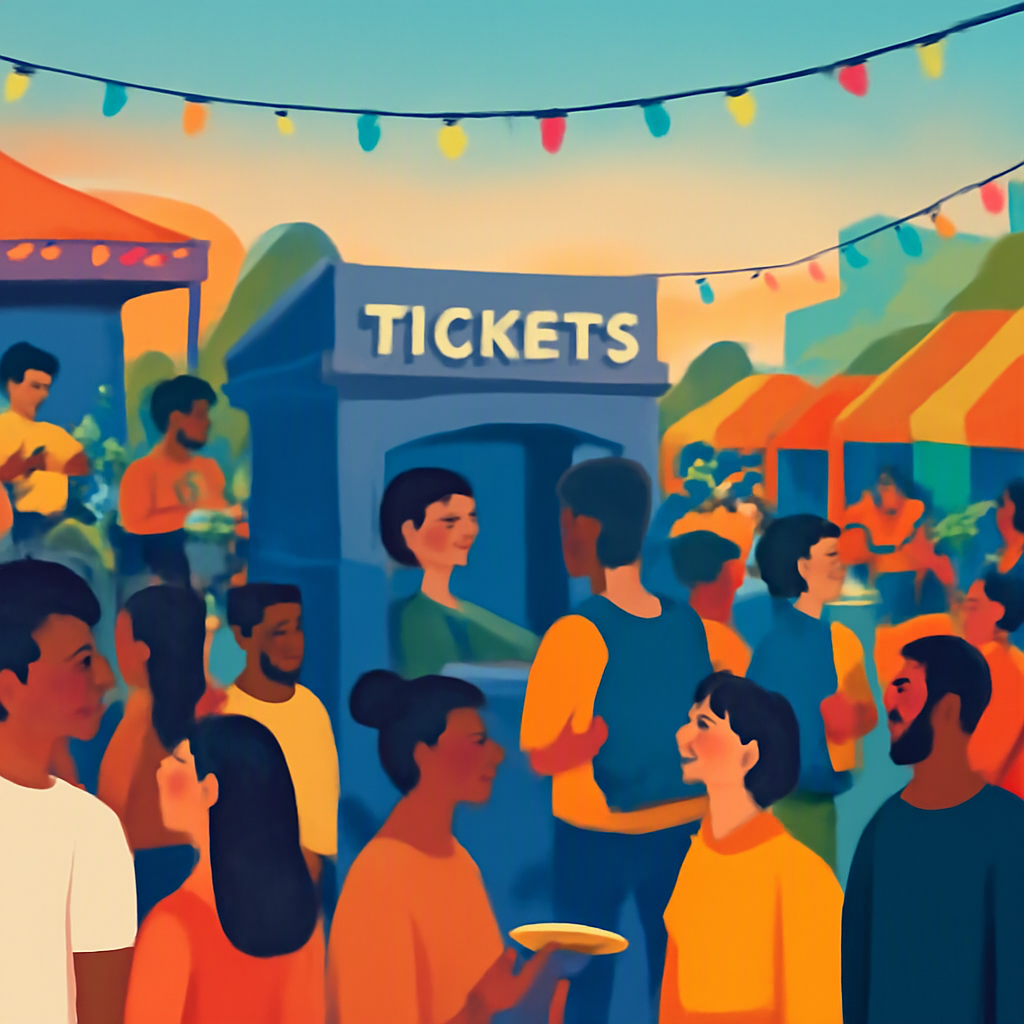
At our heritage festival, we had 400 attendees. But I still have nightmares about the chaos at the ticketing table. Here’s what went wrong:
- Disorganized RSVPs: Half the attendees didn’t RSVP. We were relying on spreadsheets and email chains to track them, which quickly became impossible to manage.
- Payment Issues: Some attendees had paid online, but our PayPal account wasn’t syncing properly. Others walked in with cash, and volunteers were scribbling payment records on scraps of paper.
- Social Wall Confusion: Many attendees didn’t understand how to use the social wall. Some asked, “Where do I post?” or “What hashtag do I use?” Others ignored it altogether.
Meanwhile, I was frantically refreshing the social wall feed to make sure it was still live. The $2,000 we spent on the LED screen could’ve gone toward better food vendors or reduced ticket prices. Instead, the wall became a flashy distraction.
Why the Old Belief Survived So Long
Looking back, it’s easy to see why I clung to the idea that social walls could transform our events:
- Trendy Technology: Social walls are marketed as cutting-edge tools for engagement. The promise of “real-time interaction” and “making attendees the heroes of the event” is seductive.
- Visual Appeal: Social walls are eye-catching. They’re a quick win for making an event feel modern and exciting.
- Overlooking Complexity: I underestimated the operational backbone needed to run a community event. I focused too much on surface-level experience without addressing core logistical challenges.
What I Do Differently Now
After that festival, we switched to CommunityTix for ticketing and event management. It’s not as flashy as a social wall, but it’s exactly what we needed. Here’s why:
1. Centralized Ticketing and RSVPs
CommunityTix consolidates RSVPs and ticket sales into one platform. Attendees receive automatic confirmation emails, and volunteers can monitor capacity in real time. At our last event, this meant no more guessing how many walk-ins we could accommodate.
2. Pay What You Can Pricing
CommunityTix’s “pay what you can” feature lets us set suggested prices while allowing attendees to choose what they can afford. This flexible pricing model made our events more accessible without jeopardizing our budget.
3. Streamlined On-Site Payments
Instead of volunteers scrambling to track cash payments, CommunityTix lets us record all transactions—cash or card—in one system. Post-event reconciliation is quick and easy.
Actionable Step: If your event struggles with payment tracking or accessibility, look into platforms like CommunityTix. Simple tools can save you hours of stress and help make events inclusive.
Comparison Table: Social Walls vs. Holistic Event Platforms
| Feature | Social Walls | Holistic Platforms (e.g., CommunityTix) |
|---|---|---|
| Real-time attendee engagement | ✅ | ✅ |
| RSVP management | ❌ | ✅ |
| Ticket sales | ❌ | ✅ |
| On-site payment tracking | ❌ | ✅ |
| Accessibility (e.g., PWYC) | ❌ | ✅ |
| Cost-effectiveness | ❌ (expensive add-on) | ✅ (low-cost operational focus) |
Call to Action
If you’re tired of juggling spreadsheets, email chains, and disconnected tools, CommunityTix can help. It’s built for small community organizations that need a simple, affordable solution. Get started free →