Youth Engagement: How to Bring Young People Into Your Community Events
Youth engagement. It’s the white whale of community groups everywhere. You’ve got an event coming up, your volunteer team is over 50, and you’re wondering: how do we bring young people into the fold? Not just to attend, but to participate? The easy answer is, "Host events that appeal to them." But we all know it’s harder than it sounds. You can book the trendiest local band, offer free pizza, and still watch as the younger audience scrolls through Instagram instead of showing up. So, what’s missing?
What’s Keeping Youth Away?
Let’s face it. Most community events aren’t designed with young people in mind. They’re often built around what older members think will attract the youth. A talent show? A bake sale? Those might work for some, but they don’t exactly scream, "This is your space!"
The Disconnect Between Event Planning and Youth Interests
One key issue is assuming that traditional event formats will naturally appeal to younger generations. Bake sales and talent shows may feel nostalgic to older organizers, but they often miss the mark for youth, who are looking for experiences that feel fresh, inclusive, and relevant to their lives.
Moreover, youth often perceive community events as lacking authenticity. According to Philanthropy Together, youth engagement isn’t just about activities — it’s about creating avenues for their voices to be heard. And, crucially, it’s about giving them a sense of ownership. If they don’t feel like they belong or their contributions matter, they’ll just keep walking by.
Actionable Steps to Bridge the Gap:
- Conduct Listening Sessions: Host informal meetups or online surveys to ask young people directly what they’d like to see at community events. Avoid guessing — data will be your best ally.
- Highlight Their Voices: Include youth representatives in your planning committees. Their input can help shift your event from "for them" to "with them."
- Use Platforms They Already Love: Promote your events on social media channels like TikTok and Instagram, but do it authentically. Poorly executed attempts at trending content can backfire.
The Power of Events: More Than Just a Gathering
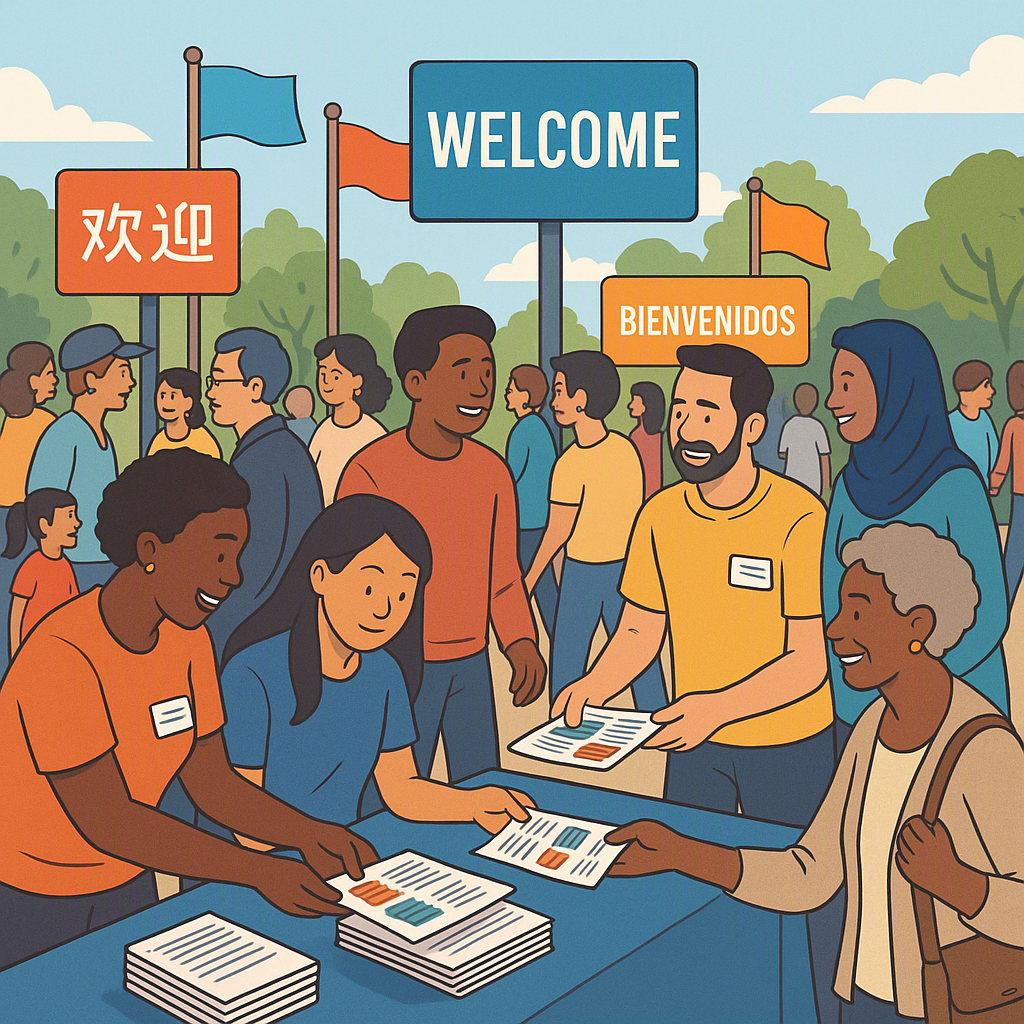
Events are magic. Done right, they can be the perfect gateway for youth to connect with your mission. But they’re not just about showing up; they’re about creating a shared experience. This is where the "Power of Events" comes into play.
One compelling example comes from the "Schools Engagement Programme" by The Power of Events, which reached 143,000 young people in 2022. The initiative, aimed at fostering youth involvement in community-building, demonstrates the scale of impact when events are designed to empower rather than simply entertain. (Source: CIRCLE)
How to Create Shared Experiences That Resonate:
- Tie Events to Social Causes: Partner with local activism groups or environmental organizations to host events that align with issues youth care about. For example, a "Sustainability Fair" where attendees learn practical eco-friendly habits can be more appealing than a traditional festival.
- Add Interactive Elements: Think beyond passive attendance. Workshops, DIY stations, games, and open mic sessions encourage participation and make the event dynamic.
- Leverage Peer-to-Peer Connections: Youth are more likely to attend events if their friends are going. Use social ambassadors to promote the event within their networks.
Why Flexibility Matters for Youth Engagement
Younger audiences are often cash-strapped. They might want to attend your event, but a $50 ticket could be a dealbreaker. That’s where "Pay What You Can" (PWYC) pricing comes in. It lets attendees choose how much they can afford to pay, with suggested tiers to guide them. This approach isn’t just about accessibility; it’s about trust. You’re telling your audience, "We trust you to value this experience and contribute what you can."
Flexible pricing models have already been tested in various contexts. According to a recent study, events with PWYC pricing saw a significant uptick in attendance among youth ages 12-25, particularly when transparency about the use of funds was emphasized. (Source: Institute for Educational Leadership)
Using Flexible Pricing Effectively:
- Create Suggested Tiers: Offer recommended amounts based on income levels or engagement. For example: $5 for students, $15 for general attendees, $50 for supporters.
- Communicate the Value: Explain exactly what their contributions are supporting. Transparency builds trust.
- Track Impact: Use tools to measure the outcomes. Did PWYC pricing lead to increased attendance or volunteer signups? Analyze the data to refine your strategy.
Comparison Table: Fixed Pricing vs. Pay What You Can (PWYC)
| Feature | Fixed Pricing | Pay What You Can (PWYC) |
|---|---|---|
| Accessibility | Limited by set price point | High; accommodates budgets |
| Perceived Value | Transactional | Trust-based engagement |
| Attendance Rates | Predictable but stagnant | Often higher due to flexibility |
| Community Building | Low | Strong; fosters inclusivity |
Building Ownership Through Participation
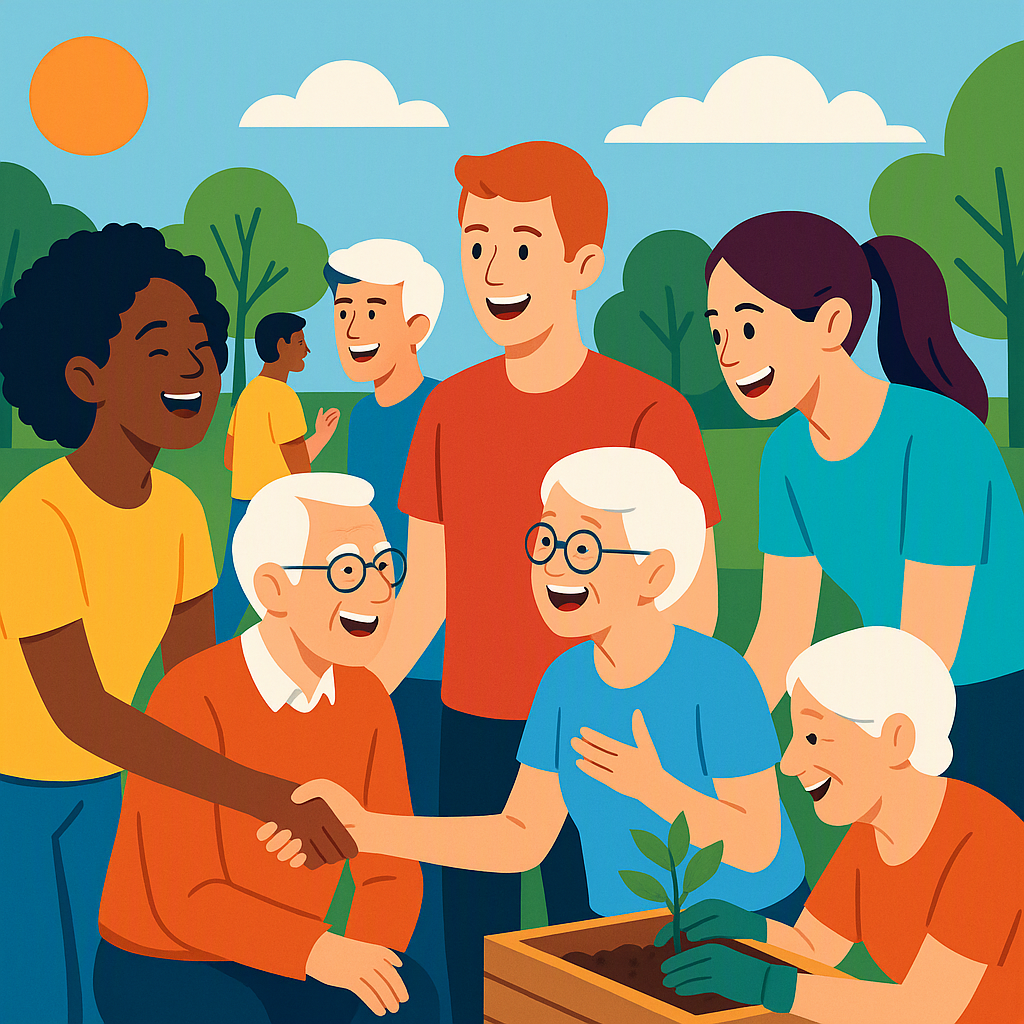
It’s not enough to get youth through the door; you’ve got to keep them engaged. Start by giving them a stake in the event. Invite them to co-create it. Whether it’s helping design the program, running a social media campaign, or even managing a booth, the more involved they are, the more invested they’ll feel.
Tools for Streamlined Participation:
One of the most overlooked tools for this? A centralized platform that combines event management with member engagement. With CommunityTix, for example, attendees automatically sync to your member database. That means you can easily keep track of who showed up, follow up with a thank-you email, and invite them to future planning sessions. It’s a simple step, but it creates a sense of continuity and connection.
Common Mistakes to Avoid
Let’s be real: not every event will be a smash hit. Here are some pitfalls to watch out for:
- Assuming you know what they want: Ask. Don’t guess. Surveys or informal polls can go a long way in understanding what will actually bring young people out.
- Overlooking diversity: Not all youth are the same. What works for one group might not work for another. Tailor your events to reflect the diversity of your community.
- Forgetting the follow-up: Engagement doesn’t end when the event does. Use tools like automated email reminders or thank-you notes to keep the conversation going.
Want to see how flexible pricing and centralized tools can help your next event? Try CommunityTix for free today →