Business Development for Community Groups: A Nonprofit’s Secret Weapon
For years, I didn’t think community groups needed a Business Development Manager (BDM). Why? The idea seemed like overkill. We’re talking about organizations with tight budgets, volunteer staff, and a mission-driven focus. Adding a role that sounds corporate felt out of place.
But here’s the truth: I was wrong. Dead wrong.
The Turning Point: Recognizing the Need for Growth
Many community groups face challenges when it comes to managing events, securing funding, and engaging members. Annual fundraisers may struggle to break even, sponsorship deals can fall through, and donor engagement may stagnate. Volunteers often find themselves overwhelmed by administrative tasks like juggling spreadsheets, chasing RSVPs, and reconciling payments. This can lead to inefficiencies and a perception of disorganization.
This is where a Business Development Manager can make a difference. Even small organizations can benefit from having someone focused on growth, partnerships, and strategy. It’s not about being corporate—it’s about being effective.
Why Community Groups Need a BDM
Community groups face many of the same challenges as businesses. You’ve got to attract members, secure funding, and build partnerships. Ignoring these needs can lead to stagnation—or worse, closure.
A good BDM tackles these challenges head-on:
-
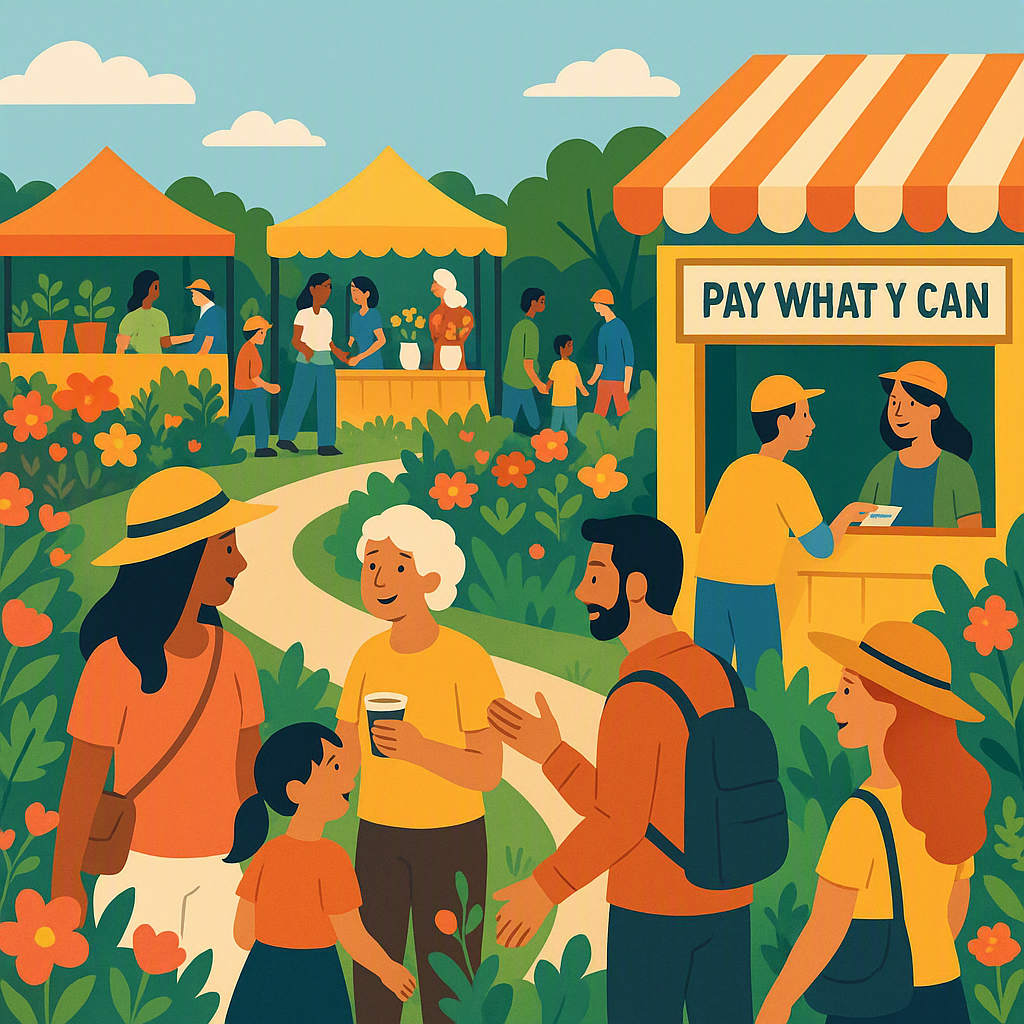
Revenue Diversification: A BDM explores new funding streams—grants, sponsorships, and creative ticket pricing models (like Pay What You Can). They ensure you’re not relying on a single source of income.
-
Partnership Building: They negotiate with local businesses, cultural institutions, and even government bodies. These partnerships often lead to event sponsorships or in-kind support.
-
Strategic Planning: A BDM doesn’t just think about the next event; they think about the next five years. How will your group grow? How will you keep members engaged? They map this out.
-
Streamlined Operations: This one surprises many. A BDM doesn’t just bring in money—they reduce inefficiencies. By centralizing tools and automating processes, they free up time for volunteers to focus on what matters.
Why I Was Skeptical for So Long
Looking back, my resistance to the idea wasn’t just about budget. It was about mindset. I believed community groups should stay small and scrappy. That we didn’t need “fancy” roles or tools. But here’s the thing: being small doesn’t mean you have to operate in chaos. There’s a middle ground.
How to Empower a BDM Without Breaking the Bank
Hiring a BDM is a big step, especially for small organizations. Most can’t afford a high salary. So, how do you make it work?
-
Start Small: If you can’t afford a full-time role, consider part-time or contract work. Even a few hours a week could make a difference.
-
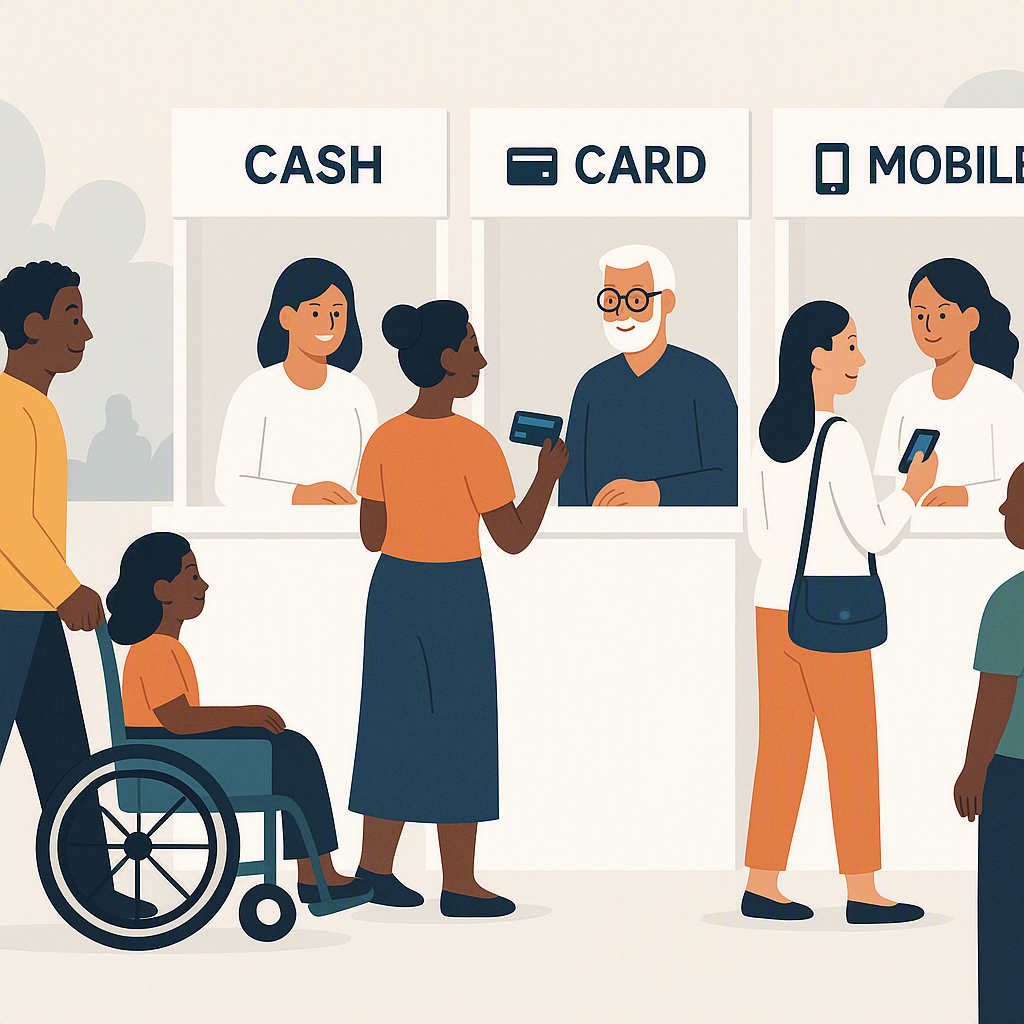
Invest in Tools: Give your BDM the right tools to succeed. This is where platforms like CommunityTix shine. A centralized platform for event ticketing, member management, and blogs saves a ton of time and effort. Instead of juggling spreadsheets and email chains, your BDM can manage everything—events, RSVPs, ticket sales, and even member roles—from a single dashboard.
-
Leverage Data: CommunityTix’s built-in analytics make it easier for your BDM to track event performance, revenue, and member engagement. With data at their fingertips, they can make informed decisions quickly.
What I’m Still Figuring Out
I’ll be honest: I’m still learning how to make this work long-term. Managing expectations is tricky. A BDM isn’t a superhero—they can’t fix everything overnight. And finding the right person? That’s a challenge in itself.
But one thing’s clear: the old way wasn’t sustainable. If you’re running a community group, it’s worth asking yourself—who’s driving your growth? If the answer is “no one,” it’s time to rethink your approach.
Ready to Level Up?
If your community group is struggling to manage events, members, and fundraising, CommunityTix can help. It’s the all-in-one platform that simplifies operations, so your team can focus on growth. Get started free →
FAQ
1. How can small organizations afford a Business Development Manager?
Start small. Hire part-time or on a contract basis. Many experienced professionals are open to flexible arrangements.
2. We’re volunteers—how can we find time to support a BDM?
That’s the point! A good BDM takes tasks off your plate by streamlining operations and handling partnerships.
3. Why not just use volunteers for business development?
Volunteers are great, but a BDM brings expertise and focus. They’re not juggling five other roles—they’re dedicated to growth.
4. Can CommunityTix really replace multiple tools?
Yes. It combines event ticketing, RSVP tracking, member management, and blogging into one platform. No more juggling spreadsheets or switching between tools.
5. How do I convince my board we need a BDM?
Highlight the long-term benefits: increased funding, better partnerships, and more efficient operations.