Raptor’s Recognition: A Blueprint for Nonprofits
Raptor, a youth marketing agency, recently landed a spot on The Sunday Times 100 list of Britain’s fastest-growing companies. Their rise wasn’t just about flashy campaigns — it was about building the right systems to scale efficiently. Nonprofits, especially those running community events, can learn a lot from their approach.
Let’s break it down.
Why Growth Comes from Systems, Not Chaos
Raptor didn’t grow by juggling a dozen disconnected tools or relying on guesswork. They centralized their operations. Every campaign was tracked, every team aligned, every resource optimized. The result? They scaled without losing control.
Nonprofits often face the opposite problem. Events get managed through spreadsheets, random email threads, and volunteers scrambling last-minute. It’s messy, and it’s expensive.
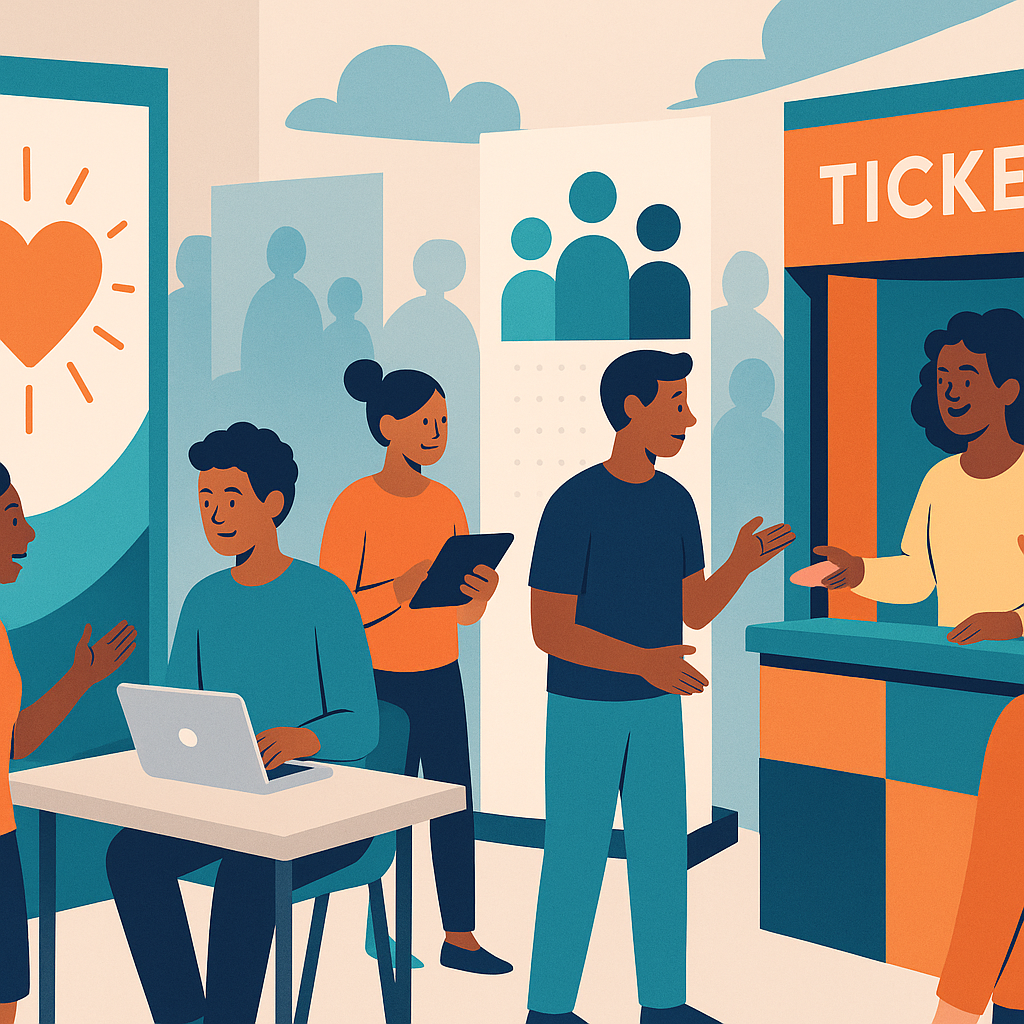
The fix? Centralized tools. Platforms that unify ticketing, member management, and event promotion in one place can help nonprofits track RSVPs, collect payments, and update their blogs — all without switching tabs. No chaos, just clarity.
Creative Promotion Matters More Than Budget
Raptor didn’t rely on massive budgets to grow; they relied on creativity. Their campaigns tapped into youth trends, built authentic connections, and maximized engagement without throwing money at ads.
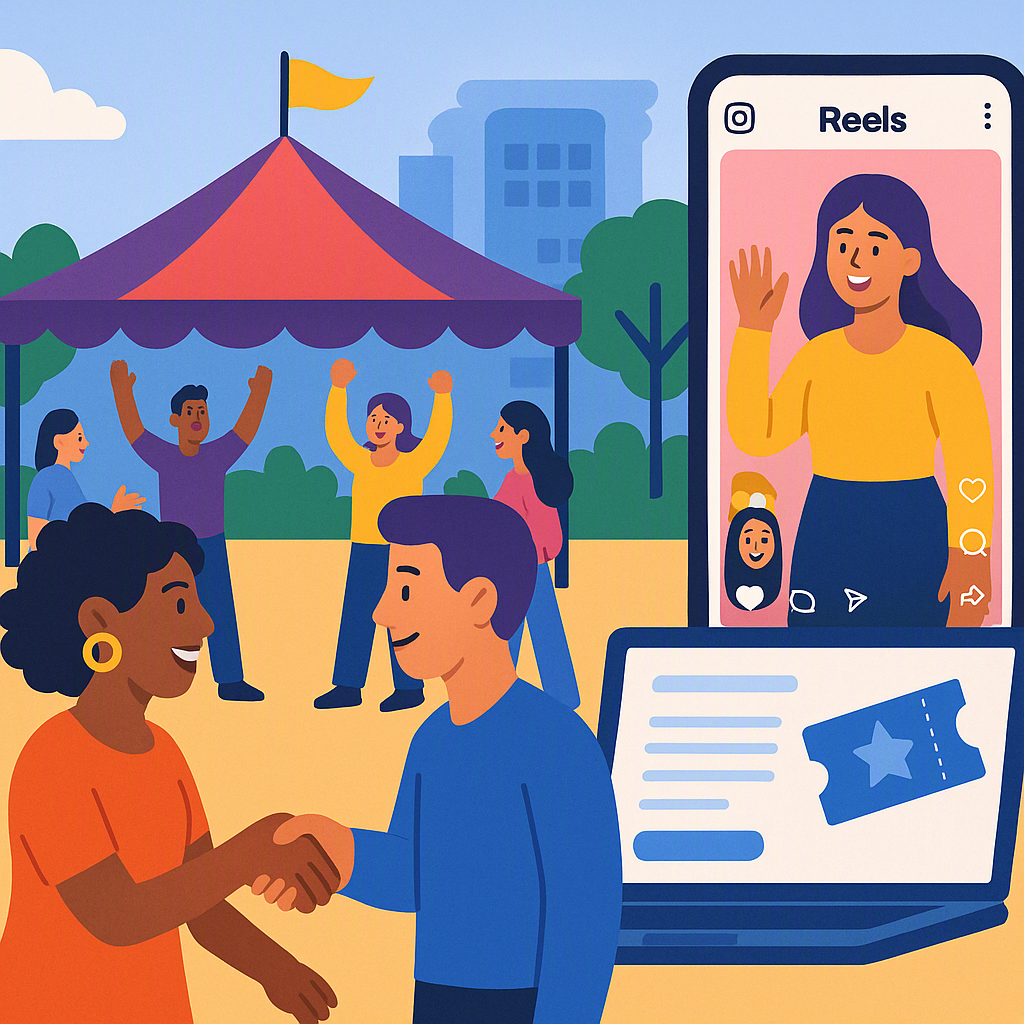
Nonprofits can do the same. Take social media promotion, for example. Instead of generic “Come to our fundraiser” posts, why not share behind-the-scenes photos, short interviews with volunteers, or even polls asking followers which event activities they’re most excited about?
One effective strategy is leveraging community voting. Platforms that integrate blog and event tools can allow nonprofits to run polls directly on their site or tie voting to ticket sales (e.g., attendees vote on which local project deserves funding). It’s a great way to boost engagement.
The Hidden Costs of Fragmented Tools
Fragmented tools can lead to inefficiencies and hidden costs. For example, ticketing platforms often charge fees that eat into revenue. By switching to platforms with lower or no platform fees, nonprofits can retain more of their funds and allocate them to programs.
Centralized systems also save time by reducing the need for manual reconciliation across multiple tools. This time can be better spent on mission-critical activities, like engaging with the community or planning impactful events.
Flexible Pricing = Inclusive Events
Raptor’s campaigns were inclusive, reaching diverse audiences. Nonprofits can mirror this with flexible event pricing. Instead of assuming everyone can pay a fixed amount for a ticket, offering a “Pay What You Can” model can make events more accessible.
Some platforms support this directly by allowing nonprofits to set multiple suggested price points or a custom input for attendees. This approach ensures that everyone can contribute based on their ability, fostering inclusivity and community participation.
FAQs
Q1: What’s the first step to centralizing tools?
Start by auditing what you’re using now. List every tool involved in your event process — ticketing, blogging, spreadsheets, payment systems — and look for overlaps. Then explore platforms that can replace multiple tools with one unified system.
Q2: How do I promote events creatively?
Think beyond basic announcements. Share photos, videos, polls, and stories that show your mission in action. Use integrated blog tools to tell stories that connect directly to your events.
Q3: Is flexible pricing complicated to set up?
Not with modern platforms. Many tools allow you to set suggested amounts in minutes and collect payments seamlessly.
Q4: How can nonprofits reduce ticketing costs?
Switching to platforms with lower or no platform fees can significantly reduce costs. Evaluate your current ticketing solution and compare it with alternatives to see where you can save.
Q5: What if my events include on-site sales?
Look for tools that handle both online and on-site sales, allowing you to track cash and card payments alongside online ticketing.
Call to Action
If you’re tired of wasting hours on fragmented tools or losing money on ticketing fees, consider exploring platforms that centralize event management and reduce costs. Streamlining your processes can free up resources to focus on what truly matters: your mission.