Why Every Nonprofit Needs a Business Development Manager
Nonprofits don’t run themselves. Sure, they’re built on passion and goodwill, but those alone don’t pay the bills. Someone has to wear the hat of a Business Development Manager — whether it’s an actual hire or a multitasking volunteer. Why? Because building a sustainable community organization means more than putting on events; it means creating a consistent engine for growth.
Let’s get real. Most nonprofits struggle with three things: limited budgets, scattered tools, and overworked teams. How does a Business Development Manager help? By focusing on the three “Rs”: Revenue, Relationships, and Reach. And if they’re smart, they’ll lean on tools like CommunityTix to simplify the messy parts.
The Core Role of a Business Development Manager
Think of this role as the bridge between your mission and the practical side of running an organization. Their job isn’t just to bring in money (though that’s a big part). It’s about creating systems that keep your nonprofit running smoothly. Here’s what the role often includes:
1. Revenue Generation
Revenue generation is the lifeblood of any nonprofit, and it’s not limited to traditional fundraising events. A Business Development Manager creates diversified and sustainable income streams. Here’s how:
- Ticketed Events: Hosting workshops, classes, or performances can be a reliable revenue source. Tools like CommunityTix make it easier to manage ticket sales without losing money to platform fees.
- Membership Programs: Encourage recurring donations by offering exclusive perks like event discounts, behind-the-scenes access, or regular updates. These programs build long-term relationships with supporters.
- Grants and Sponsorships: A good manager will identify grant opportunities, prepare compelling proposals, and build relationships with sponsors who align with your mission.
2. Relationship Building
Nonprofits thrive on partnerships, and a Business Development Manager plays a key role in fostering them. Here’s how they can approach relationship building effectively:
- Local Sponsorships: Engaging businesses in your community can lead to event sponsorships, in-kind donations, or cross-promotional opportunities.
- Collaborations with Other Organizations: Partnering with other nonprofits or community groups amplifies your reach and impact.
- Donor Stewardship: Maintaining strong relationships with existing donors is just as important as acquiring new ones. Regular communication and personalized outreach go a long way.
3. Operational Efficiency
Operational chaos can derail even the most well-intentioned nonprofit. A Business Development Manager takes charge of streamlining processes:
- Event Logistics: They centralize everything from RSVPs to venue details, ensuring nothing falls through the cracks.
- Tool Optimization: Instead of juggling spreadsheets and email threads, they implement platforms like CommunityTix to unify ticketing, communications, and attendee management.
- Volunteer Coordination: Volunteers often form the backbone of nonprofits. A good manager ensures they’re utilized effectively without burnout.
A Real Problem: Event Management Chaos
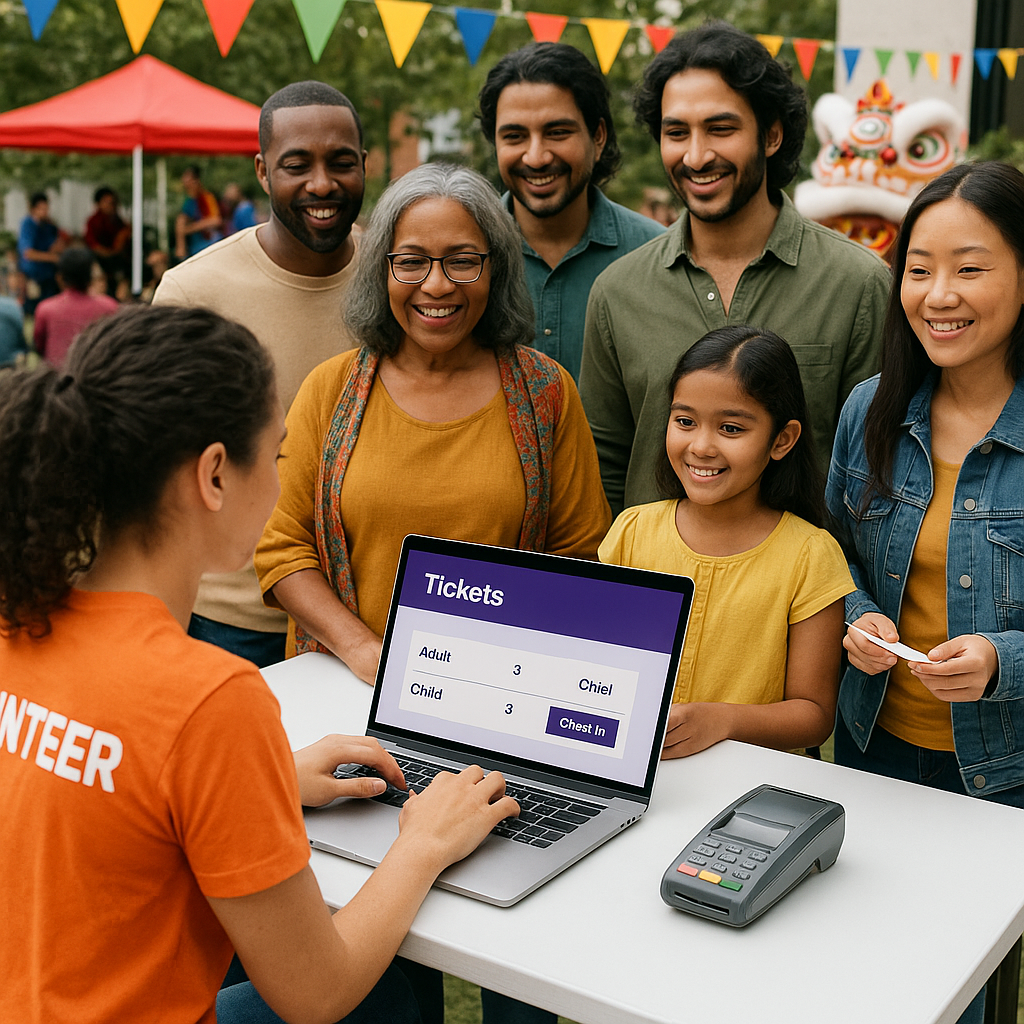
Here’s a scenario I’ve seen too often. Your community center plans a cultural festival. Volunteers are juggling spreadsheets for RSVPs, email threads for sponsor follow-ups, and separate tools for ticketing. Sound familiar? It’s a mess. And the biggest victim here isn’t just your team — it’s your attendee experience.
When attendees encounter disorganized events, it damages your nonprofit’s credibility. Missed confirmations, long lines, or overbooked venues can make the difference between gaining lifelong supporters or losing them for good.
How a Business Development Manager Fixes It
Enter the Business Development Manager. They centralize the process. Instead of spreadsheets, they use a tool like CommunityTix to manage RSVPs, ticketing, and member communications in one place. This leads to:
- Improved Attendee Experience: Clear communication, seamless ticketing, and a professional event atmosphere.
- Saved Time: Automated processes free up staff and volunteers for more impactful work.
- Data Management: Centralized tools provide actionable insights, like tracking attendance trends or donor engagement levels.
The CommunityTix Edge: Flexible Ticketing Solutions
If you’re hiring for this role, give them tools that actually work. CommunityTix is tailored for nonprofits and eliminates platform fees, meaning every dollar from ticket sales stays with your organization (PayPal fees still apply, but that’s standard). It’s also equipped with features that empower inclusion and equity.
Why Pay What You Can (PWYC) Works
Consider the Pay What You Can (PWYC) model for events. Here’s how it can benefit your nonprofit:
- Inclusivity: People can choose pricing that fits their budget, ensuring events are accessible to everyone.
- Revenue Boost: Suggested amounts ($10, $20, $30) encourage attendees to pay higher amounts when they can, often leading to higher overall revenue.
- Transparency: Attendees appreciate the flexibility and fairness, increasing trust in your organization.
For example, imagine your nonprofit hosts a local arts workshop. With CommunityTix, you can set up PWYC pricing with suggested amounts while still allowing attendees to input a custom amount. Anecdotally, PWYC models often outperform fixed pricing when done thoughtfully.
What to Look for in a Business Development Manager
Hiring the right person isn’t just about qualifications on paper. Here are some traits to prioritize:
1. Tech-Savviness
They don’t need to be engineers, but they should be comfortable learning and using tools like CommunityTix, CRM platforms, and basic analytics dashboards. A willingness to experiment with new software is key.
2. Relationship Skills
Whether it’s convincing a local bakery to sponsor your event or getting attendees to sign up for memberships, this person needs to be a natural connector. Empathy, active listening, and clear communication are essential.
3. Strategic Thinking
They should see the big picture. What’s the ROI on your annual festival? Are your ticket prices sustainable? How can you scale your membership program? These are the kinds of questions they should be asking — and answering.
4. Adaptability
Nonprofits often face unexpected challenges, from funding cuts to last-minute venue changes. A successful manager can pivot quickly and keep the team focused on solutions.
FAQs
Q: Can’t volunteers handle this role?
A: Volunteers can fill gaps temporarily, but a dedicated Business Development Manager provides consistency. Volunteers often get stretched thin or move on, leaving your systems in limbo.
Q: What’s the biggest challenge for this role?
A: Time. Most nonprofits already operate on thin margins, and it’s easy for the role to get bogged down in day-to-day tasks. The fix? Delegate the grunt work to tools like CommunityTix and focus on high-level strategy.
Q: How do I justify this hire in our budget?
A: Consider it an investment. A good manager pays for themselves by increasing ticket sales, securing sponsorships, and reducing inefficiencies. If you’re worried, start with a part-time or contract role.
Q: What tools should they use?
A: Tools like CommunityTix for ticketing, donor management software like Bloomerang or DonorPerfect, and communication platforms like Mailchimp or Slack are excellent starting points.
Q: How do I measure their success?
A: Track metrics like revenue growth, attendance rates, new partnerships formed, and donor retention rates. Regular performance reviews aligned with these KPIs will help you evaluate their impact.
Comparison Table: Volunteers vs. Business Development Manager
| Criteria | Volunteers | Business Development Manager |
|---|---|---|
| Consistency | Limited availability; often temporary | Dedicated focus on organizational growth |
| Time Commitment | Part-time or sporadic | Full-time or focused contract role |
| Skill Set | Varied; often requires training | Specialized in revenue generation, partnerships, and operations |
| Strategic Focus | Day-to-day tasks | Long-term planning and scalability |
| Tool Proficiency | Basic knowledge; may need guidance | Proficient with CRM, ticketing, and analytics tools |
Ready to Level Up?
If your nonprofit is ready to grow, a Business Development Manager is the first step. And if they’re equipped with the right tools, they’ll be unstoppable. That’s where CommunityTix comes in. From zero platform fees to flexible pricing, it’s designed for organizations like yours.