What I Used to Think About Exhibition Stands
For years, I believed a good exhibition stand was all about aesthetics. Bright colors, sleek designs, maybe a flashy screen showing a looping video. If it looked good and drew people in, it was doing its job. Right?
Turns out, I was dead wrong.
Flashback to a community fair I attended in 2022. A local heritage group had one of the sleekest stands in the room—custom banners, a professionally shot video, even a giveaway table. But here’s the thing: hardly anyone stopped. The volunteers stood there awkwardly, smiling at passersby who didn’t care. Meanwhile, a scrappy booth across the aisle—a handmade sign, some folding chairs, and a giant chalkboard—had a constant crowd. Kids were writing on the board, parents were chatting, and the group was handing out flyers faster than they could print them.
It was a wake-up call. Engagement isn’t about how your booth looks. It’s about what it does.
What Changed My Mind
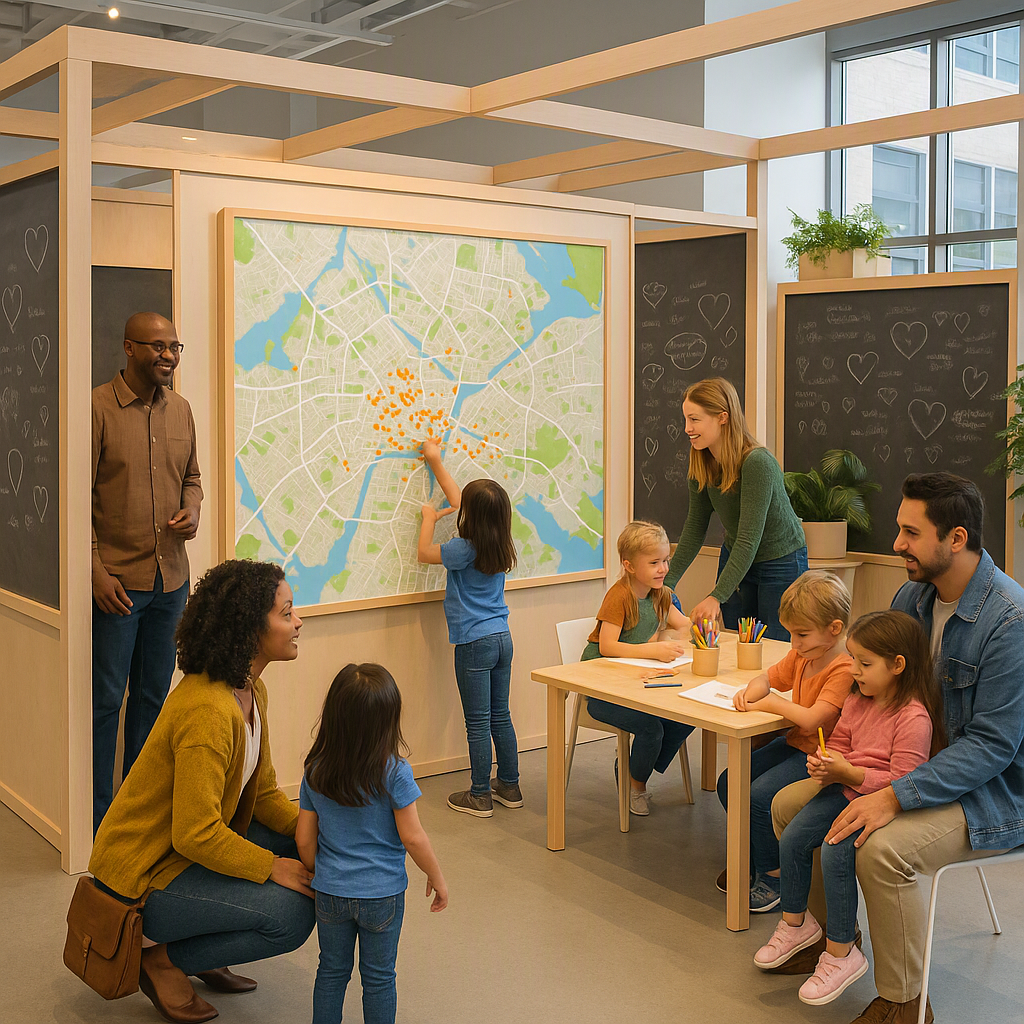
In 2023, we ran a booth for our own cultural association at a local festival. This time, we tried something different. Instead of fancy visuals, we focused on interaction. A “community map” took center stage—a giant printout of our city where visitors could pin their favorite local spots. We also used CommunityTix’s Pay What You Can (PWYC) feature for ticketed workshops we promoted at the booth. Suggested amounts ranged from $5 to $20, but people could decide what to pay.
Illustrative example: Imagine a booth where visitors actively participate in a shared activity, like pinning their favorite spots on a map or contributing to a collaborative art piece. Such activities create a sense of ownership and connection, making the booth more memorable and engaging.
From that moment, I understood: a booth isn’t a static display. It’s a dynamic space where your community connects, participates, and feels ownership.
Why the Old Thinking Lingers
So, why do so many of us still default to the old model of flashy, “polished” exhibition stands? Several reasons:
1. Insecurity
We assume people judge our organization by how professional we look—so we overcompensate. The fear of being perceived as “amateur” drives us to invest in high-cost visuals, even when they don’t necessarily translate to engagement.
2. Tradition
Big brands set the standard with slick trade show booths, and we try to copy them without considering our context. Community events have different goals than corporate trade shows. While big brands focus on selling, community organizations focus on connecting.
3. Fear of Failure
Interactive ideas feel risky. What if no one participates? What if it’s awkward? These doubts kept me clinging to the “safe” design approach longer than I’d like to admit.
4. Misguided Metrics
Many organizations measure success by how many people pass by their booth or how many flyers they hand out. But these metrics don’t capture real engagement or long-term impact.
What We Do Differently Now
Here’s what I’ve learned: the best booths aren’t about showing; they’re about inviting. Here are practical strategies we’ve tested since:
1. Include an Activity
People don’t just want to look—they want to do. At one event, we set up a DIY photo backdrop with props tied to our cultural heritage. Families loved it. They’d take pictures, post them online, and tag us. This created organic promotion we couldn’t have paid for.
Actionable Steps:
- Choose activities that are simple, fun, and relevant to your mission (e.g., collaborative art, voting boards, or interactive displays).
- Position the activity front and center to draw attention.
- Provide clear instructions to ensure people know how to participate.
2. Make It Personal
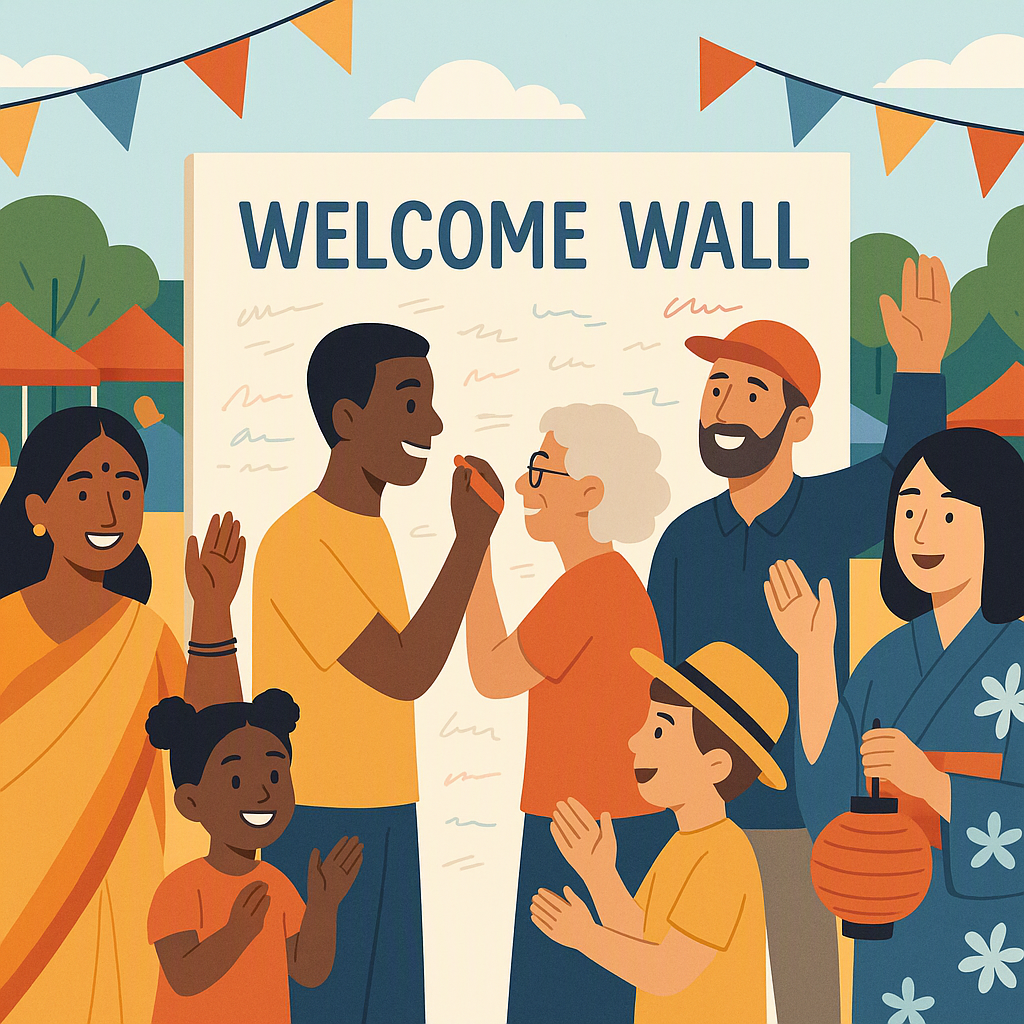
The community map I mentioned earlier? It worked because it was about them, not us. People love seeing their own stories reflected in your mission. Another example: a “memory wall” where visitors could write their favorite traditions or recipes tied to a theme.
Actionable Steps:
- Ask yourself: How can the booth reflect the community’s voice?
- Provide opportunities for visitors to share their input, stories, or creativity.
- Display contributions in real time to create a sense of collaboration.
3. Offer Flexible Pricing
This is where tools like CommunityTix shine. Using PWYC pricing for our promoted workshops wasn’t just a financial decision—it was a trust exercise. It told our audience, “We trust you to value this event in a way that works for you.” And they responded.
Actionable Steps:
- Test PWYC pricing for small-scale ticketing or donations.
- Be transparent about suggested amounts but allow flexibility.
- Use pricing as a way to build trust and accessibility.
4. Track Participation
It’s not enough to just engage people on-site. You need to follow up. Tools like RSVP tracking can help capture attendee data and send personalized thank-you emails. Simple, but effective.
Actionable Steps:
- Use sign-up sheets or QR codes to collect visitor information.
- Automate follow-up emails to thank attendees and share next steps.
- Analyze participation data to refine future event strategies.
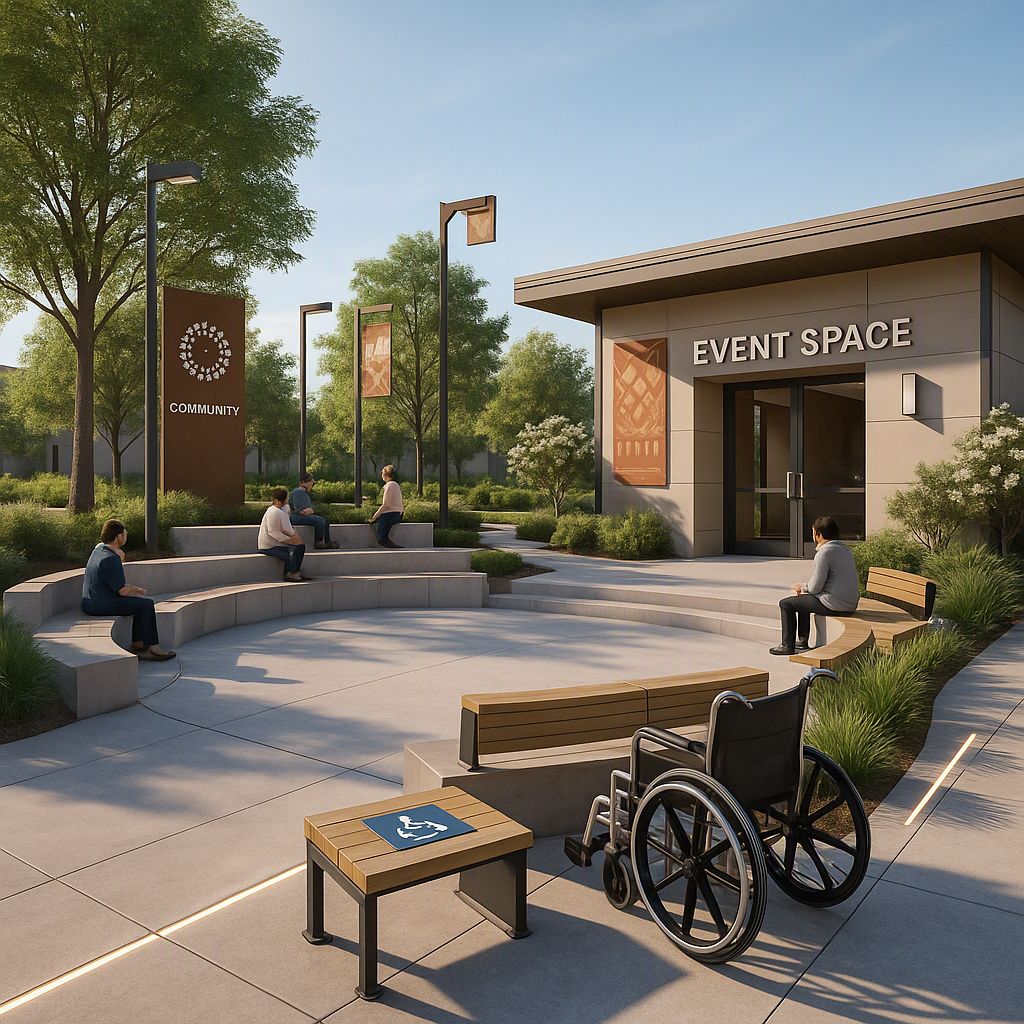
5. Think About Accessibility
One overlooked factor is making your booth accessible to everyone. At multicultural events, for example, including multilingual signage and materials can make a big difference. Tools that support diverse language fonts, like Bengali or Mandarin, can be game-changers for reaching diverse audiences.
Actionable Steps:
- Audit your booth materials for accessibility (e.g., language, physical access).
- Offer printed and digital resources to accommodate different needs.
- Include visuals and symbols to enhance comprehension.
Comparison Table: Traditional Booth vs. Engagement-Based Booth
| Aspect | Traditional Booth | Engagement-Based Booth |
|---|---|---|
| Focus | Aesthetics and branding | Interaction and community involvement |
| Budget Allocation | High cost on visuals, banners, and tech | Moderate cost on interactive elements |
| Visitor Experience | Passive viewing | Active participation |
| Metrics | Number of flyers handed out | Quality of engagement and data capture |
| Risk | Low risk but low reward | Higher risk but stronger community impact |
What It’s Still Costing Me
Have we perfected the art of the interactive booth? Not even close. I still worry before every event. Will our activity flop? Will the booth feel too chaotic? And honestly, creating engagement-focused stands takes more time and effort. It’s easier to just throw up a banner and call it a day.
But here’s the thing: the risk is always worth it. Every time we’ve tried something new, we’ve learned more about what our community cares about—and that’s invaluable.
Call to Action
If you’re ready to make your next exhibition stand more than just a booth, CommunityTix can help. From PWYC ticketing to RSVP tracking, we’ve got the tools to turn your event into a true community hub. Get started free →