What I Used to Think
A few years ago, if someone asked me about improving community event planning, I’d give the same advice every time: be more creative and work harder. Creativity and effort were all it took, right? You want better events? Get a good team, brainstorm harder, and put in the hours. That’s what I thought.
At the time, I believed that tools, software, and platforms were secondary. The magic of successful community events came from people’s passion and grit—volunteers showing up early, staying late, and doing whatever it took to make the event a success. Sure, spreadsheets could help organise things, but they were just a formality. If the team was motivated, the event would run itself, right? At least, that’s what I told myself.
The Thing That Changed It
Then came The Showman’s Show and the NOEA (National Outdoor Events Association) Training Day. I attended their session on outdoor event planning back in October 2025. It wasn’t flashy. The speakers didn’t promise to turn all of us into event-planning gurus overnight. But one moment stuck with me.
During the Q&A, someone asked about managing large-scale outdoor events under the newly implemented Martyn’s Law. The speaker, an experienced event planner, gave a straightforward answer: “If your tools aren’t centralised, you’re asking for chaos.”
She went on to describe how, in the wake of the law’s stricter security requirements, event organisers often struggled with fragmented systems—one platform for ticketing, another for volunteer management, a separate spreadsheet for guest lists, and yet another system for payments. She called it a "patchwork that unravels when you need it most." That phrase hit me like a truck. Because I knew exactly what she was talking about.
Why I Believed Otherwise for So Long
Looking back, it’s easy to see why I held on to my old view. For years, I’d worked with small community organisations—neighbourhood groups, cultural associations, and churches—where resources were tight. Most of them didn’t have budgets for fancy event software, so they pieced together free tools like Google Sheets, email, PayPal, and whatever else they could find. It was messy, but it got the job done.
Plus, there was this sense of romanticism about the chaos. Something about the frantic energy of volunteers scrambling to piece together guest lists, track ticket sales, and confirm RSVPs felt like it was part of the charm. That’s community spirit, right?
But here’s the thing: that chaos wasn’t charming to everyone. It was frustrating for people who wanted to attend our events but couldn’t figure out how to RSVP. It was exhausting for the volunteers who spent late nights reconciling ticket sales. And it was downright embarrassing when we had to explain to donors why we couldn’t provide accurate attendance numbers or revenue breakdowns.
What We Do Differently Now
Fast forward to today, and I’ve completely changed my tune. If you’re organising community events, centralised tools aren’t optional—they’re essential. The Showman’s Show and NOEA session made me realise that fragmented systems aren’t just inconvenient; they actively hold organisations back.
Take CommunityTix, for example. It’s an open-source event ticketing and management platform designed for small organisations. What sets it apart isn’t just the zero platform fees (though saving 5-10% on ticketing costs is huge). It’s the fact that everything—ticketing, RSVPs, member databases, blogs, and even on-site payments—is integrated into one platform.
Here’s why that matters:
-
Martyn’s Law Compliance: With stricter security requirements, you need accurate headcounts and streamlined check-in processes. CommunityTix tracks RSVPs and ticket sales in one place, so you don’t have to scramble for guest lists on event day.
- Actionable Step: Use CommunityTix’s real-time attendee tracking feature to compile headcounts ahead of time, ensuring compliance with security protocols.
-
Volunteer Management: Forget spreadsheets. CommunityTix lets you manage volunteers with role-based access and approval workflows. No more emailing back and forth to confirm who’s doing what.
- Actionable Step: Assign roles to volunteers directly within the platform and set deadlines for task completion. Use the dashboard to track progress and reassign tasks if needed.
-
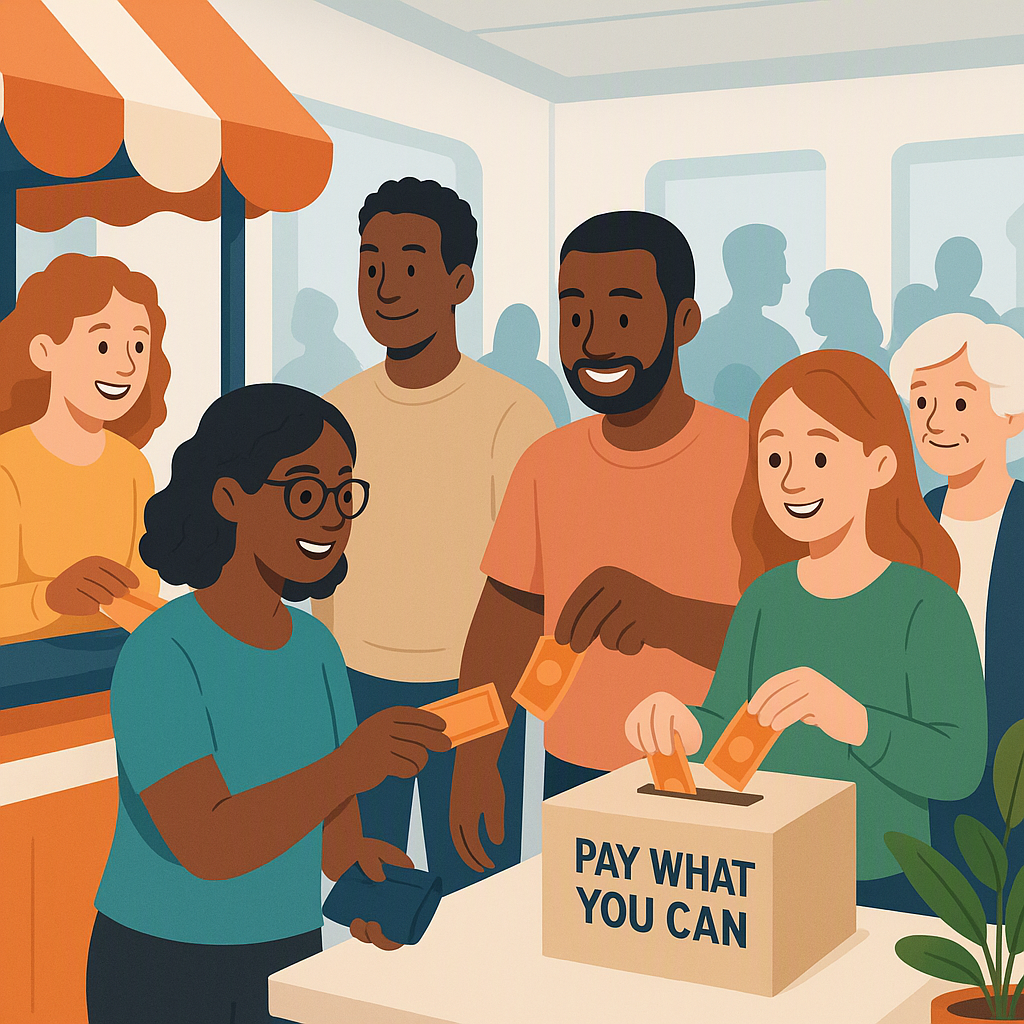
Pay What You Can Pricing: This feature is perfect for inclusive community events. You can set suggested donation amounts but still allow attendees to pay what they’re comfortable with—a model that’s proven to increase revenue while keeping events accessible.
- Actionable Step: Test different suggested donation amounts and track attendee payment patterns to find the sweet spot for maximum inclusivity and revenue.
-
Branded Websites: Every tenant gets a subdomain with event listings, blogs, and more. It’s a small touch that makes a big difference in professionalising your organisation’s public-facing presence.
- Actionable Step: Use this feature to not only promote your events but also build a library of past events, testimonials, or even resources for your community.
Practically speaking, this means your team spends less time wrestling with fragmented tools and more time creating great events. And honestly, isn’t that the goal?
Comparison: Fragmented Tools vs Centralised Platforms
| Feature | Fragmented Tools | Centralised Platforms (e.g., CommunityTix) |
|---|---|---|
| Guest List Management | Manual spreadsheets | Automated and integrated tracking |
| Volunteer Coordination | Email chains and text threads | Role-based access and workflows |
| Payment Processing | Separate tools (e.g., PayPal, Stripe) | Built-in with ticketing and donations |
| Security Compliance | Difficult to manage | Easy integration with attendee data |
| Branding | Limited to external tools | Customisable subdomains and event pages |
What Being Wrong Cost
I won’t sugarcoat it—my old belief cost me and the organisations I worked with. We wasted hours reconciling spreadsheets, fixing RSVP errors, and answering confused attendees. Worse, we lost credibility with donors and sponsors who expected us to have our act together.
Even now, I’m not 100% sure we’ve fixed everything. CommunityTix works well for small and mid-sized organisations, but I wonder how it scales for massive events with 10,000+ attendees. Can it handle that level of complexity? It’s something we’re still exploring.
But here’s what I know for sure: centralised tools like CommunityTix are a game-changer for local groups trying to make a big impact. The Showman’s Show and NOEA reminded me that innovation isn’t about flashy ideas—it’s about solving real problems.
If fragmented tools are holding back your community events, CommunityTix can help. Get started free →