Promoting Community Events Without Spending Money: A Practical Guide
When organizing community events, many assume that effective promotion requires a significant budget. Popular platforms like Eventbrite, Meetup, and Facebook may seem free at first glance, but often come with hidden costs such as ticketing fees or nudges for attendees to tip the platform itself. For grassroots organizations, these expenses can be a significant burden.
Initially, relying on word-of-mouth and printing a few flyers might seem like a viable solution, but such efforts often yield underwhelming results. Attendance can be unpredictable, and organizers may find themselves spending more time worrying about turnout than focusing on the event itself.
Overcoming the Challenges of Free Promotion
The belief that free promotion isn’t possible often stems from misconceptions or the limitations of "free" tools. For example, while Eventbrite allows free event listings, it charges fees for ticket sales, which can add up quickly. Additionally, managing RSVPs manually, answering emails, and juggling spreadsheets can consume a significant amount of time, making the process feel anything but free.
However, with the right strategies and tools, it is possible to promote community events effectively without spending money. Below, we delve deeper into actionable methods that can help you maximize attendance while keeping costs at zero.
1. Leverage Your Community First
Your existing audience is your most valuable resource. These individuals are already invested in your organization and are more likely to promote your event if given the tools to do so. The key here is mobilizing your community to become your event’s advocates.
Why This Works
People are more likely to trust recommendations from friends, family, or trusted community members over an impersonal advertisement. By empowering your community to share your event, you're leveraging the power of social proof.
Actionable Steps:
- Email Campaigns: Send a well-crafted email to your mailing list with all event details. Include a clear call to action (CTA) encouraging recipients to RSVP or share the event. Tools like Mailchimp or Substack offer free tiers you can use to design professional emails.
- Pre-written Posts: Provide attendees with sample social media posts, email templates, or WhatsApp messages they can copy and paste to share with their networks. Make it as easy as possible for them to spread the word.
- Group Outreach: If your group has a WhatsApp, Telegram, or Slack chat, use these platforms to share event details. Encourage members to invite their friends and family. Personal recommendations often carry more weight than ads.
- Incentivize Sharing: Offer small perks, like raffle entries or recognition at the event, to attendees who bring others along.
2. Use Free Online Platforms
There are numerous platforms where you can list your event and reach a broader audience at no cost. These platforms vary based on your location and audience, so choose the ones that make the most sense for your community.
Comparison of Free Platforms:
| Platform | Best For | Key Tips |
|---|---|---|
| Facebook Events | Broad audience, local reach | Share event in groups, but follow group rules to avoid being flagged. |
| Nextdoor | Hyper-local communities | Great for neighborhood-specific events. Start discussions to build buzz. |
| Craigslist | Local events | Post in the "Community" section and keep the description clear and concise. |
| Eventbrite | Event listings | Use for visibility but link to your own ticketing page to avoid fees. |
| Local Blogs | Community-focused audiences | Submit event details to local blogs or online newsletters. |
Actionable Steps:
- Optimize Event Pages: Create professional-looking event pages that include all relevant details: date, time, location, agenda, and RSVP instructions. A clear and concise page builds trust and encourages sign-ups.
- Use Keywords Strategically: Include location-specific and theme-specific keywords in your event description to make it more discoverable online. For example, instead of "Community Fun Day," try "Free Family Fun Day in [Your Town] at [Location]."
- Cross-Promote: Share your event across multiple platforms to maximize exposure. For instance, list it on Eventbrite and share the link on Facebook, Nextdoor, and other local forums.
3. Make It Newsworthy
Local media outlets are often interested in covering events that have a compelling angle. This could be a charity fundraiser, a cultural celebration, or a unique activity. Making your event "newsworthy" can significantly expand your reach.
Actionable Steps:
- Craft a Press Release: Write a one-page press release that includes the who, what, where, when, and why of the event. Keep the language clear and concise. Use free templates available online to structure your release professionally.
- Reach Out to Local Media: Contact community newspapers, radio stations, and TV channels with your press release. Look for reporters who have covered similar events in the past.
- Highlight Unique Stories: If your event involves a local hero, a rare activity, or benefits a cause, emphasize this aspect in your pitch to the media. A good story idea increases your chances of coverage.
- Leverage Bloggers and Influencers: Reach out to local bloggers or micro-influencers who align with your event’s theme. Many are happy to share community events with their audience for free.
4. Consider Flexible Pricing Models
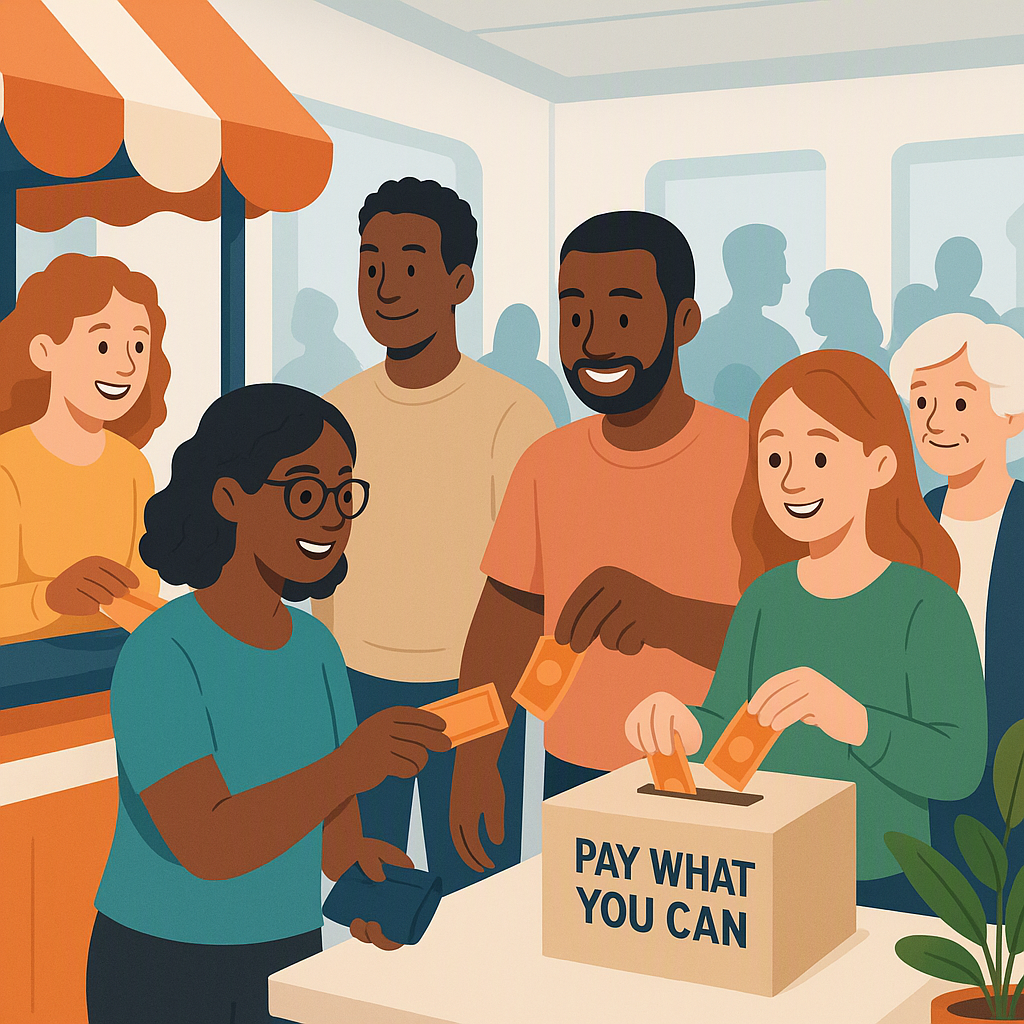
While you may want your event to remain free, introducing a "Pay What You Can" (PWYC) model can make your event accessible to all while encouraging voluntary contributions.
How It Helps:
This model removes financial barriers for attendees while still allowing those who can afford it to support your event. This can be particularly effective for grassroots or community-driven initiatives.
Actionable Steps:
- Set Suggested Pricing: Choose a reasonable amount as a suggested donation but allow attendees to pay more or less based on their financial situation. For example, "Suggested donation: $10, but pay what you can."
- Explain the Impact: Clearly communicate how the donations will be used. For instance, "Your contributions will help us fund future community events and support local charities."
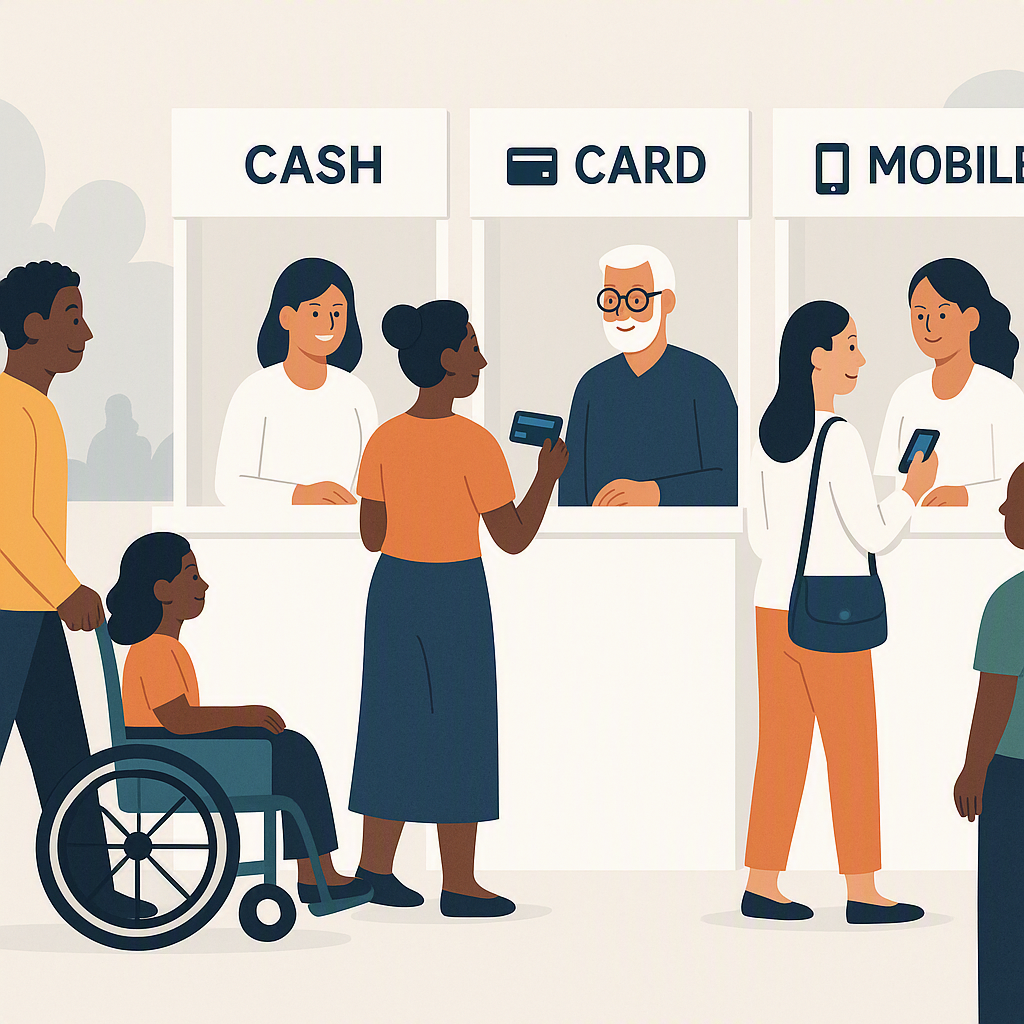
- Provide Multiple Payment Options: Use free tools like PayPal or Venmo to make it easy for attendees to donate online.
5. Centralize Your Event Management
Managing an event across multiple platforms or spreadsheets can quickly become overwhelming. Using a centralized system helps streamline your operations and ensures nothing falls through the cracks.
Free Tools to Use:
- Google Forms: Perfect for collecting RSVPs and feedback.
- CommunityTix: A free platform designed for event ticketing and management without fees. Learn more here.
- Trello or Asana: Organize tasks, deadlines, and team responsibilities in one central location.
Actionable Steps:
- Create a single event page that includes RSVP options, ticketing, and event details.
- Use automation where possible (e.g., set up auto-responses for RSVPs or event reminders).
- Test your system before launching to ensure everything works smoothly.
6. Promote During the Event
Your event day is the perfect time to build momentum for future events. Attendees are already engaged and enthusiastic, so capitalize on this energy.
Actionable Steps:
- Photo Booths and Hashtags: Set up photo areas and encourage attendees to share pictures using a custom hashtag. Monitor social media for user-generated content and engage with posts to amplify their reach.
- Early Bird Tickets: Offer discounted tickets or exclusive perks for your next event to attendees who commit on the spot. This creates urgency and secures early attendance.
- Feedback Forms: Distribute short feedback forms during or immediately after the event. Ask attendees for their thoughts on what they enjoyed and how you can improve.
Final Thoughts
Promoting community events without spending money is not only possible but can be incredibly effective when done strategically. By tapping into your local networks, leveraging free platforms, and adopting creative approaches like PWYC pricing, you can create impactful events that resonate with your audience. For a centralized, cost-free event management solution, check out CommunityTix. Learn more and get started today →