I Used to Think Free Ticketing Platforms Were the Best for Nonprofits
If you'd asked me a year ago, I would've confidently said, "Just use a free ticketing platform." Why not? They're simple, they cost nothing upfront, and everyone seems to use them. For a small nonprofit or cultural group with tight budgets, it felt like the smartest choice. I even told friends running local events to switch to platforms like TicketSource or TicketTailor because they advertise themselves as being free, easy to use, and perfect for community events.
But that advice didn't age well.
What Changed My Mind
The reality hit during a community fundraiser I helped organize in November 2022. We sold tickets through one of these "free" platforms, expecting smooth sailing. Instead, the problems piled up: hidden fees for attendees, clunky refund processes, and limited customization options. Worst of all? We lost control of our event data.
One attendee emailed us, furious about the $3.50 "service fee" added to a $15 ticket. Another couldn’t figure out how to request a refund because the platform redirected them to an unhelpful FAQ page instead of letting us handle it. These weren’t isolated issues. The more we dug, the more we realized these platforms weren’t as free as they seemed.
The Hidden Costs of "Free"
Many free ticketing platforms make their money by charging service fees directly to the ticket buyer. TicketLeap charges $1 + 2% per ticket, for example. While this might not seem like a problem for organizers, it can create frustration for attendees when unexpected fees inflate the ticket price. These fees can also discourage people from completing their purchases, leading to lower attendance. And when your attendees feel like they’ve been taken advantage of, it reflects poorly on your organization.
Refund policies are another pain point. Most free platforms don’t prioritize nonprofit-specific needs, like making it easy to issue refunds directly or offering flexible options for donations if someone can’t attend. Instead, they push attendees through generic, impersonal processes that leave both organizers and ticket buyers frustrated.
Finally, data control is a major concern. Free platforms often treat your event data as their asset, limiting your ability to access, analyze, or use it effectively. This can cripple your ability to plan future events or build stronger relationships with your community.
Why the Old Belief Survived
Free platforms market themselves well. They promise convenience, no upfront costs, and broad accessibility. For small organizations without technical expertise, it’s tempting to go with what looks popular and easy. You don’t question the model until you’re knee-deep in problems.
Another reason I held onto the belief? Everyone else seemed to be using them. When your peers recommend something, it feels safer to follow the crowd. But what works for commercial events or large-scale concerts isn’t always right for grassroots nonprofits.
Peer Pressure and the Illusion of Popularity
One of the reasons free platforms dominate is their brand recognition. Platforms like Eventbrite and TicketTailor have invested heavily in marketing, making them top-of-mind for anyone planning an event. This creates a snowball effect: their widespread use gives them credibility, which encourages even more organizations to adopt them. However, just because something is popular doesn’t mean it’s the best fit for your specific needs.
What I Do Differently Now
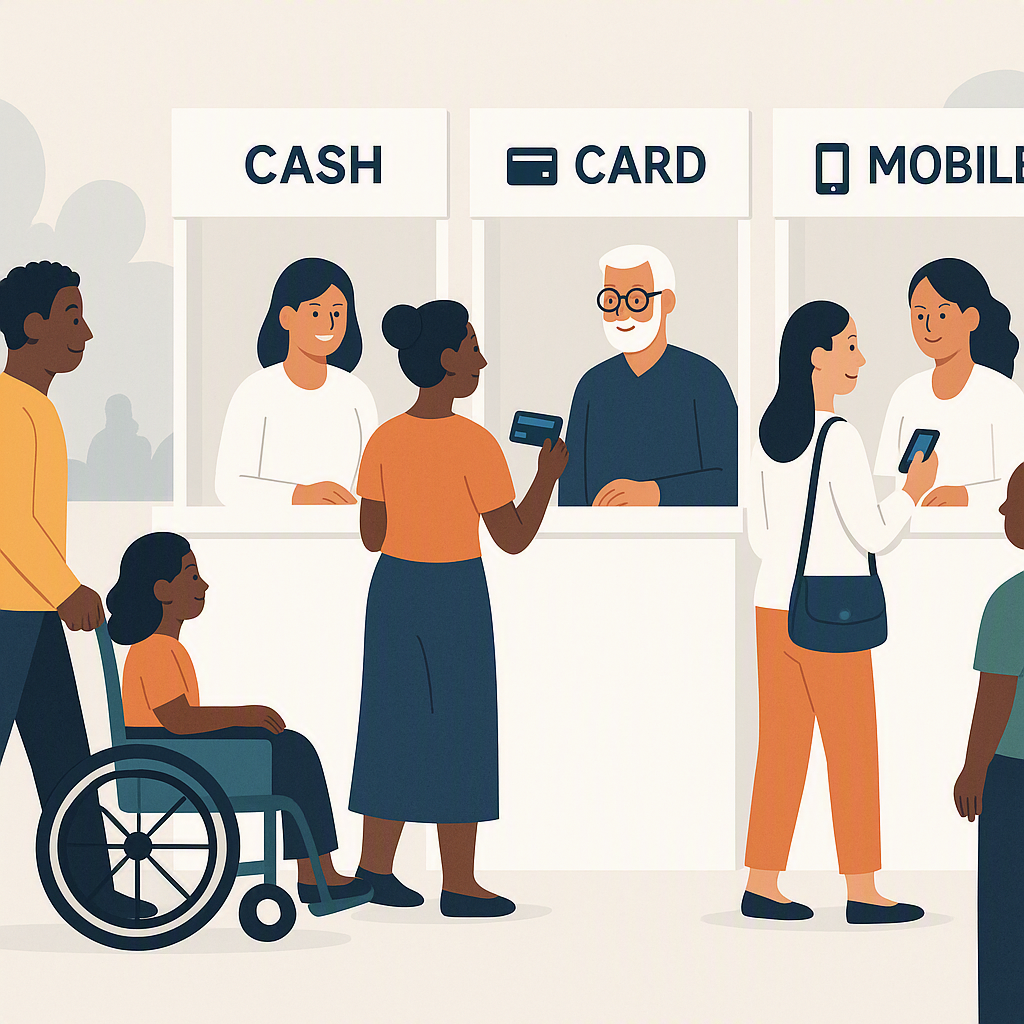
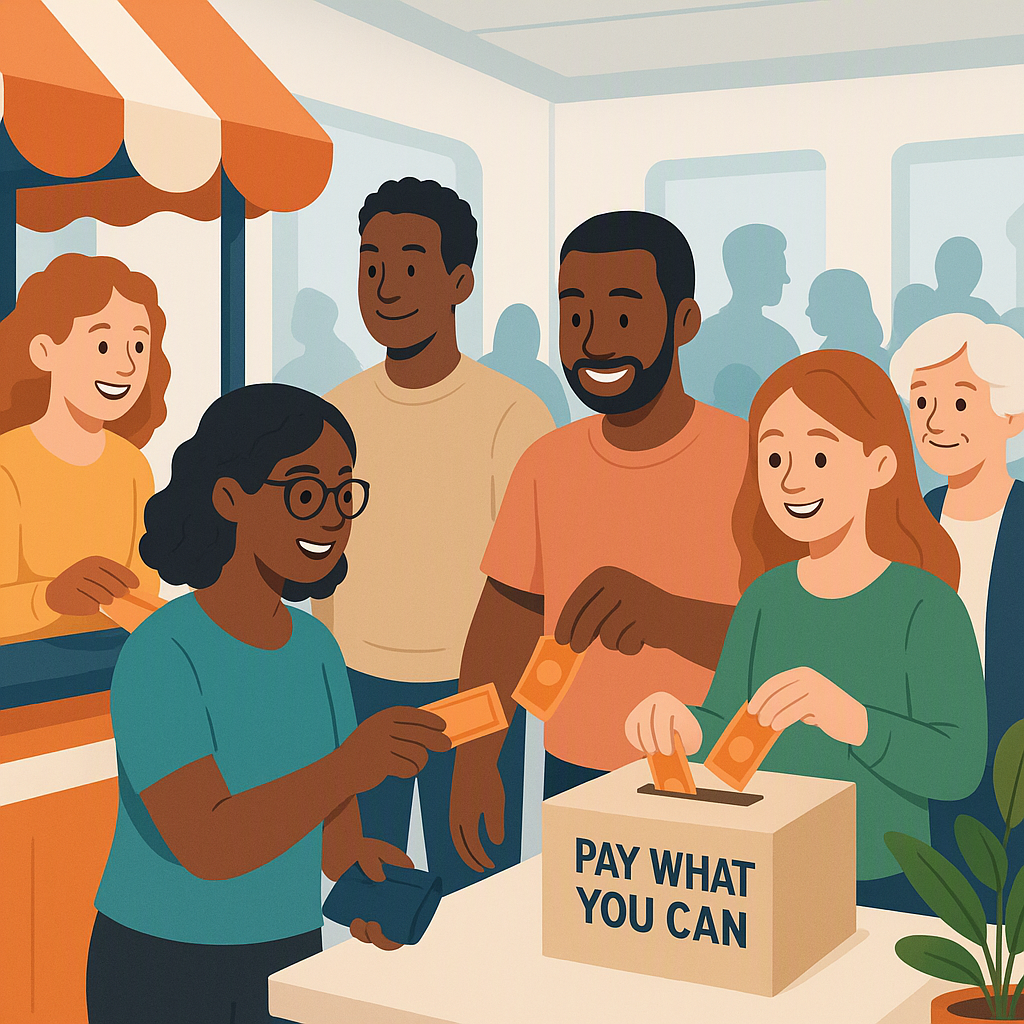
Now, we plan events with platforms designed for nonprofits—like CommunityTix. It’s not just about avoiding fees; it’s about control. Platforms like CommunityTix let you keep all ticket revenue (minus PayPal’s processing fee) and ensure attendees aren’t hit with surprise charges. Plus, features like "Pay What You Can" (PWYC) pricing make our events more inclusive.
How I Approach Event Planning Now
- Start With Your Goals: What’s the purpose of your event? Is it to raise funds, build community, or spread awareness? Your goals should guide your platform choice.
- Evaluate Your Audience: Consider your attendees’ financial situations. If affordability is a concern, prioritize platforms with PWYC or flexible pricing options.
- Check the Fine Print: Before committing to a platform, read the terms of service carefully. Look for hidden fees, data policies, and refund rules.
- Prioritize Data Ownership: Choose a platform that gives you full access to your attendee data without extra charges.
- Test the Workflow: Simulate the ticket-buying process and refund procedures to ensure they’re user-friendly.
Take last month’s cultural festival: we set three suggested price points ($10, $20, and $30) and included a custom box for attendees to pay what they could afford. Attendance shot up, and we nearly doubled our fundraising goal. No hidden fees. No angry emails. Just a smooth experience for everyone.
The Real Cost of Free Platforms
Free platforms aren’t truly free. Many rely on service fees, convenience charges, or tiered pricing plans that nickel-and-dime nonprofits. According to Eventbrite’s pricing page, they charge anywhere from 5% to 10% of ticket revenue, depending on your plan. For an event selling 200 tickets at $25 each, that’s between $250 and $500 in fees—money that could’ve gone toward better flyers or venue upgrades.
| Feature | Free Platforms | Nonprofit-Focused Platforms |
|---|---|---|
| Hidden Fees | Common (service fees, convenience fees) | Rare or nonexistent |
| Data Ownership | Limited | Full access |
| PWYC Pricing | Unavailable or clunky | Seamlessly integrated |
| Refund Process | Often complicated | Organizer-controlled |
| Customization Options | Limited | Broad |
Why PWYC Pricing Matters for Community Events
"Pay What You Can" is a game-changer for nonprofits. Traditional platforms assume fixed pricing models, but PWYC lets you meet attendees where they are financially. This isn’t just about inclusivity—it’s smart economics. Flexible pricing often increases attendance and overall revenue.
For example, let’s say you’re hosting a local art exhibition. Some attendees can afford $30 tickets, while others can only pay $10. On platforms without PWYC, you’d have to pick one price and hope for the best. CommunityTix lets you set up three price options, plus a custom input field. Everyone pays what they can, and you avoid turning people away. CommunityTix explains how PWYC works well for grassroots groups, especially those hosting equity-focused events.
Why Data Ownership Is Non-Negotiable
One thing "free" platforms don’t talk about enough is data ownership. When you sell tickets, you’re collecting valuable information about your attendees. Who’s coming to your events? How often? What price points resonate? This data helps you plan better events and understand your audience.
With platforms like Eventbrite, you don’t fully own that data. It’s buried in their systems, and accessing it often requires paying extra. CommunityTix, on the other hand, lets you export attendee lists, ticket sales, and revenue reports whenever you want. For volunteer-run groups juggling spreadsheets and email chains, this feature is a lifesaver.
What Being Wrong Cost Me
Switching platforms mid-event was chaotic. We wasted hours reconciling ticket sales and explaining fees to frustrated attendees. I wouldn’t wish that mess on anyone. But the bigger cost was trust. Attendees judged us by the experience we offered, and hidden fees hurt our credibility.
Ready to Take Control of Your Ticketing?
If you’re tired of losing money to hidden fees or struggling with clunky tools, CommunityTix could be your solution. It’s designed for nonprofits, with zero platform fees and PWYC pricing built in. Get started free →