Creative Event Activities That Strengthen Small Communities
Small community events don’t need big budgets to make a big impact. What they do need are creative ideas that bring people together and make the event feel worth showing up for. If you’ve struggled with low attendance or chaotic planning, this post will help you rethink your approach.
The Problem: Reaching Small Groups Effectively
Here’s the reality: small community groups often have limited resources. You’ve probably dealt with spreadsheets for ticket sales, email chains for RSVPs, and a volunteer coordinator scrambling to make sense of it all. And when half your attendees RSVP last minute or show up unannounced, chaos ensues.
That’s why successful small events hinge on two things: engagement and simplicity. If you can create fun, memorable activities while keeping your planning process streamlined, you’ll be miles ahead. Let’s break down some actionable ideas that work.
1. DIY Decor Nights
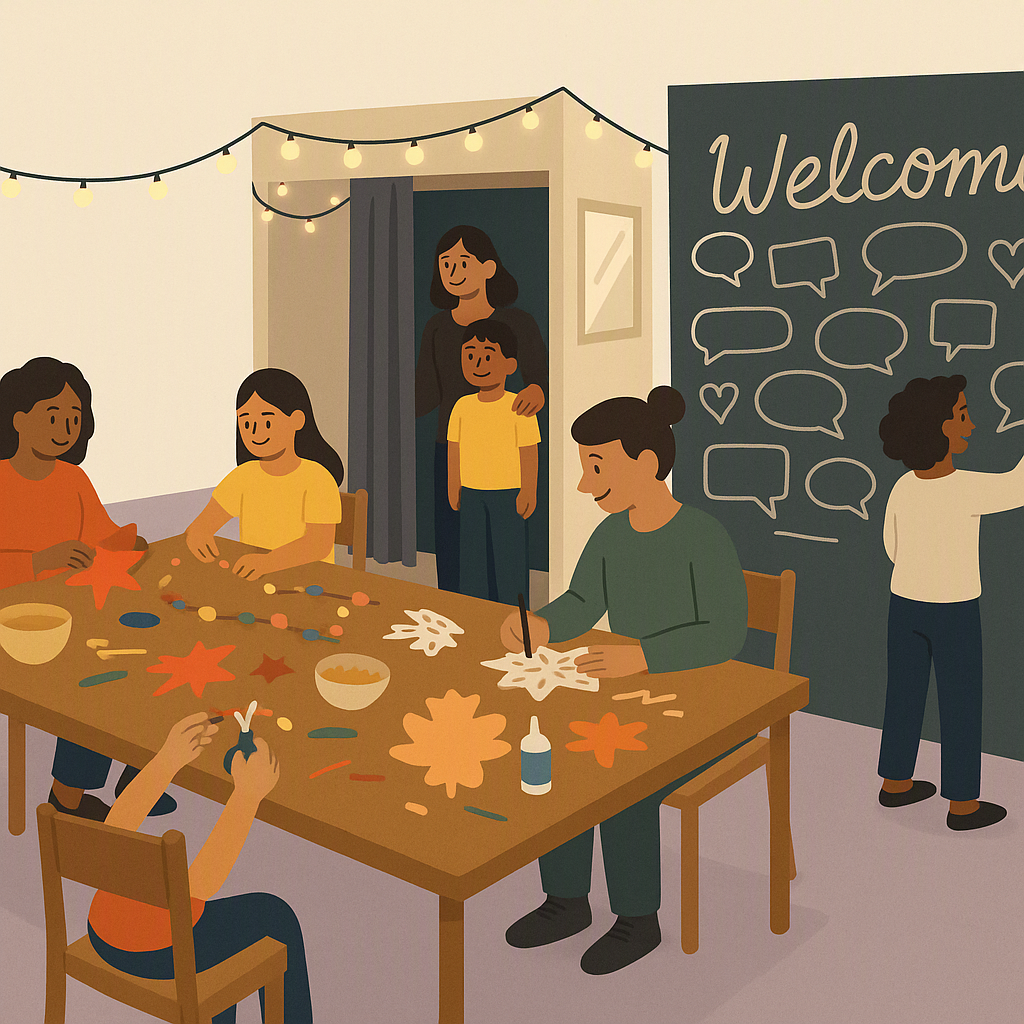
Expensive decorations? Skip them. Host a volunteer craft night instead. It’s a great way to prep for your event while building excitement among your members. Plus, people love seeing their own work on display—it creates a sense of ownership and pride.
How to Set Up a DIY Decor Night:
- Choose a Theme: Whether it’s cultural, seasonal, or event-specific, having a clear theme helps guide the type of decorations you’ll make. For instance, a “Harvest Festival” could feature fall leaves, pumpkins, and warm lighting.
- Gather Supplies: Stick to low-cost materials like construction paper, mason jars, fabric scraps, and string lights. Many dollar stores or craft stores have affordable bulk options.
- Set Up Stations: Divide tasks into manageable stations (e.g., one for painting, one for cutting paper, etc.), and have clear instructions for each.
- Promote the Event: Use social media to invite volunteers and highlight what they can expect. Mention that their work will be featured prominently at the event.
Examples:
- Cultural Festival: Create paper lanterns or handmade banners showcasing your community’s heritage. Use colors and patterns that reflect local traditions.
- Seasonal Gala: Make festive centerpieces with mason jars, fairy lights, and seasonal flowers. Add personal touches like handwritten notes or small community logos.
2. Pay-What-You-Can (PWYC) Events
Not everyone in your community can afford a $50 gala ticket. But that doesn’t mean they don’t want to participate. Pay-What-You-Can (PWYC) pricing allows you to remove financial barriers while still generating revenue.
How to Implement PWYC Pricing:
- Set Suggested Pricing Tiers: Offer 2-3 options (e.g., $5, $15, $30) so attendees can contribute based on their means. Clearly communicate that all amounts are welcome.
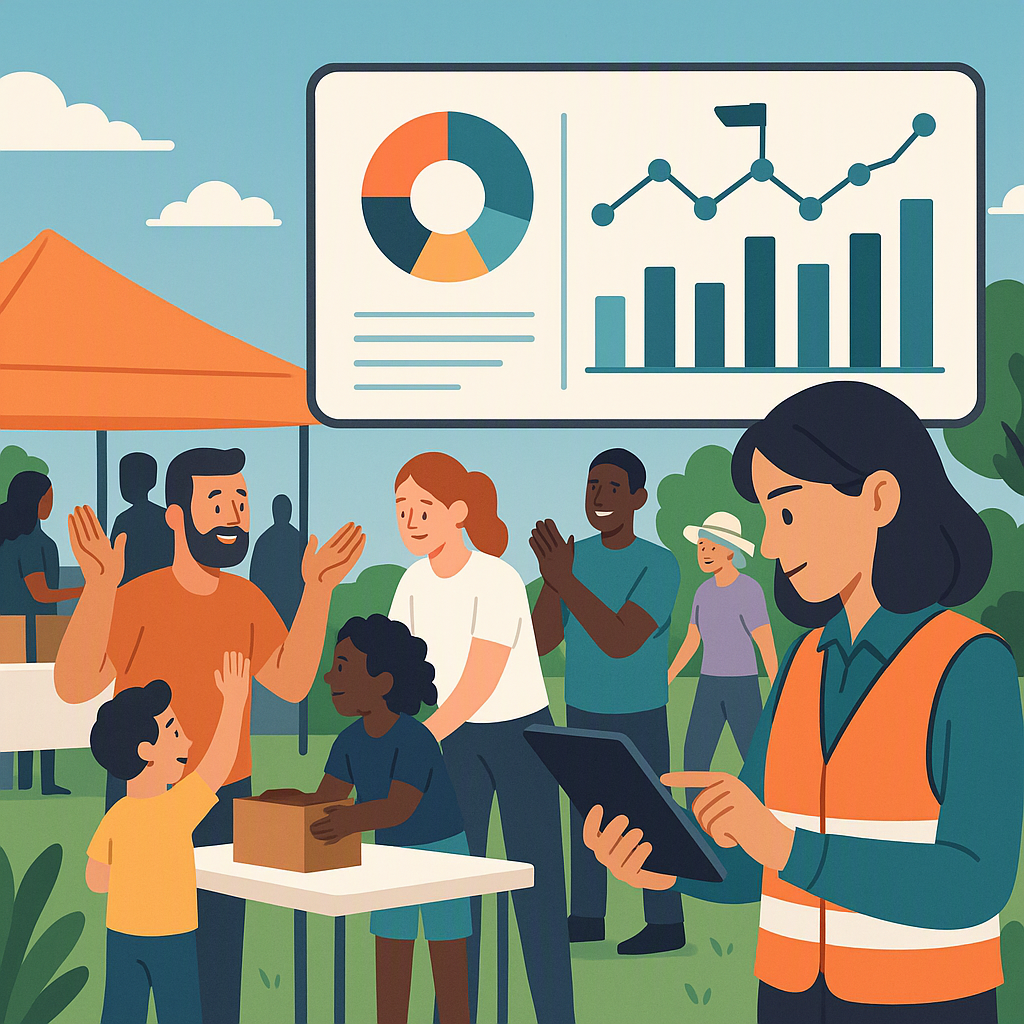
- Use Ticketing Tools: Platforms like CommunityTix make it easy to implement PWYC pricing and track revenue. You can even show a breakdown of contributions in real time.
- Promote Inclusivity: Highlight that the event is open to everyone, regardless of financial ability. Use language like, “Pay what you can—your presence matters more than the price.”
Why It Works:
- Boosts Attendance: People who might otherwise skip the event due to cost feel more comfortable attending.
- Encourages Generosity: Some attendees will pay more than the suggested amount when they see the value of the event.
3. Interactive Zones
Want your event to feel more engaging? Add interactive spaces where attendees can connect, contribute, or simply have fun.
Creative Interactive Zone Ideas:
- Welcome Wall: Set up a large chalkboard, whiteboard, or paper wall where attendees can leave messages, doodles, or write answers to a prompt like, “What’s your favorite thing about our community?”
- DIY Photo Backdrop: Use fabric, balloons, or string lights to create a themed photo area. Add props like hats, signs, or costumes related to your event theme. Attendees will take pictures and share them online, giving your event free publicity.
- Community Art Project: Provide a large canvas or mural where everyone can contribute a small piece of art. By the end of the event, you’ll have a collaborative masterpiece to display.
Tips for Success:
- Clear Instructions: Make sure participants know what to do by providing signs or brief explanations.
- Social Media Integration: Encourage attendees to share photos and tag your event. Create a unique hashtag to track online engagement.
- Accessibility: Ensure everyone can participate. For example, provide seating for activities that take time, or offer alternative ways to engage for those with mobility challenges.
4. Local Talent Showcase
Every community has hidden gems—artists, musicians, dancers, and craftspeople. Featuring local talent not only saves money on hiring outside entertainment but also reinforces the community’s unique identity.
How to Organize a Local Talent Showcase:
- Reach Out: Contact local schools, art clubs, or cultural organizations to find performers and creators interested in showcasing their work.
- Create a Schedule: Plan a lineup to ensure each performer has their moment. Keep segments short to maintain audience interest.
- Promote the Participants: Share bios, photos, or previews of their work on your event’s social media pages in advance.
- Offer Incentives: While you may not have a big budget, offer perks like free event tickets, food, or a small stipend to thank participants.
Examples:
- Music Night: Invite local bands or solo artists to perform.
- Art Fair: Showcase paintings, crafts, or photography from local artists.
- Storytelling Session: Feature local historians, poets, or authors to share their work or tales.
5. Simplify Ticketing and RSVPs
No matter how amazing your event is, disorganized ticketing can ruin it. If you’re still relying on manual methods like spreadsheets or cash boxes, it’s time to upgrade.
Steps to Streamline Your Ticketing Process:
- Choose the Right Tool: Platforms like CommunityTix offer features like automated confirmation emails, mobile check-ins, and payment tracking.
- Set Clear Ticketing Policies: Whether you’re using PWYC pricing or fixed fees, make sure your policies are easy to understand.
- Plan for Walk-Ins: Always have a system in place to handle on-site registrations and payments, whether through cash or card.
- Track Attendance in Real Time: Use software to monitor RSVPs and attendee check-ins. This helps you manage crowd control and anticipate any last-minute needs.
Common Mistakes to Avoid
- Overcomplicating Activities: Keep it simple. You don’t need 15 different stations or elaborate setups. Focus on a few standout elements.
- Ignoring Accessibility: Ensure your event is welcoming to everyone. Include wheelchair-friendly layouts, clear signage, and multilingual materials if needed.
- Underestimating Walk-Ins: Always plan for extra attendees. CommunityTix lets you track cash or card-at-door sales so you’re not scrambling.
FAQs
Q: What’s the best way to promote interactive event zones?
A: Share visuals of your setups on social media before the event. Show off your DIY photo backdrop or welcome wall to spark curiosity. Include user-friendly hashtags so attendees can easily share their experiences online.
Q: How do I handle last-minute RSVPs?
A: Use a platform like CommunityTix to set RSVP limits and manage confirmations automatically. It prevents overbooking and keeps your planning stress-free.
Q: How can I encourage more volunteers for DIY prep nights?
A: Offer incentives like free food, small prizes, or exclusive event perks. Reach out directly to people who have volunteered before—they’re more likely to say yes again when asked personally.
Q: What’s the best way to balance ticket pricing with accessibility?
A: PWYC pricing is a great approach. Suggest a range of amounts and let attendees choose what they can afford. CommunityTix makes it easy to implement and track this model.
Q: How do I track on-site payments without chaos?
A: CommunityTix’s cash and card tracking tools ensure every transaction is recorded, so you don’t have to piece it all together later. It’s simple, efficient, and stress-free.
Call to Action
If planning your next community event feels overwhelming, CommunityTix can help simplify the process. From RSVP tracking to PWYC pricing, it’s built for small groups like yours. Get started free →