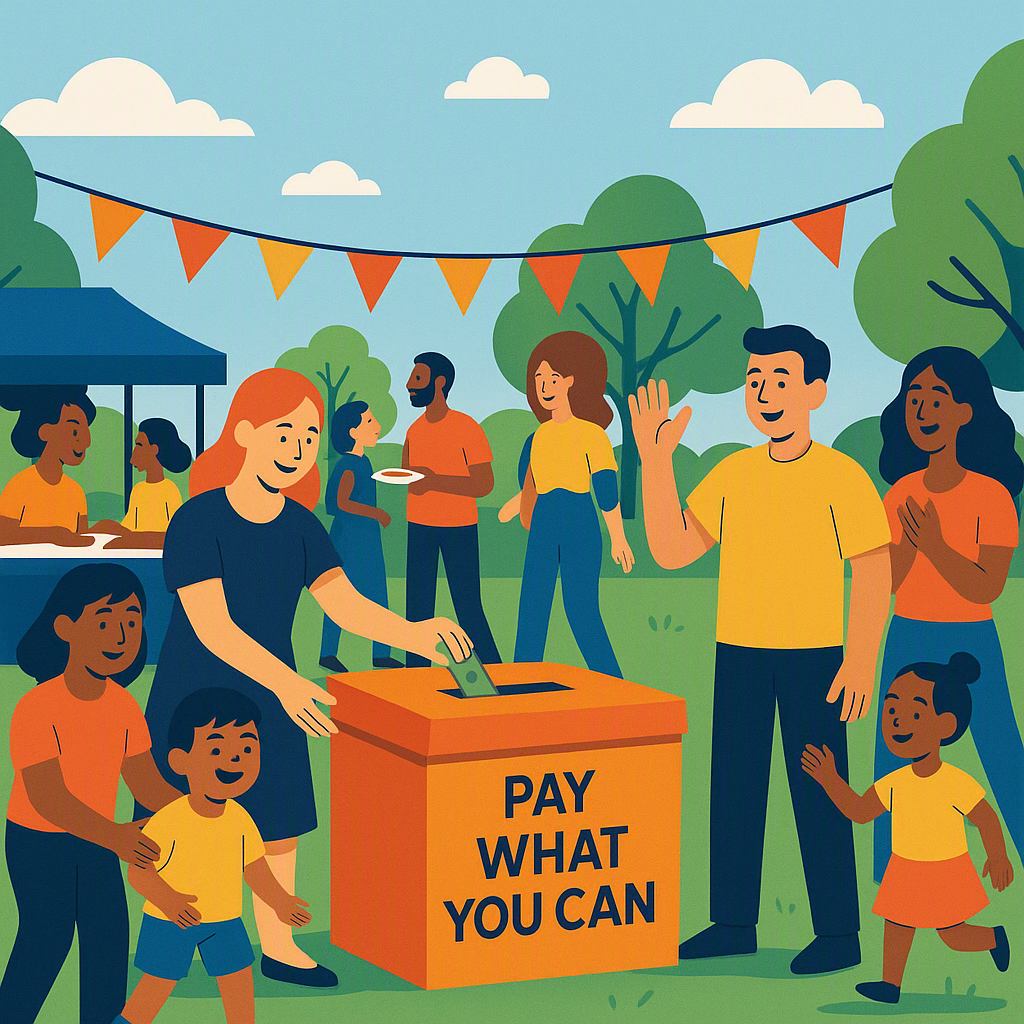
How Flexible Pricing Models Are Shaping Event Marketing Trends for 2026
I used to think flexible pricing models were a nice-to-have. Something trendy but impractical for small organizations. For years, I believed simplicity was king: one fixed price, clear and easy, no confusion. I thought Pay What You Can (PWYC) models were chaotic and better suited to big nonprofits with deep pockets and dedicated fundraising teams.
Then I started noticing a shift in how smaller organizations were approaching event pricing. Specifically, the adoption of community-led pricing strategies. That’s when I realized how wrong I’d been.
The Shift Toward Community-Led Pricing
What stood out to me was the increasing use of PWYC models by organizations running smaller-scale events. These weren’t enormous galas or corporate-sponsored conferences. They were grassroots events—cultural nights, heritage festivals, and pop-up workshops. And they were finding success.
For instance, some organizations have reported that attendees often pay more than the suggested donation amount when they see value in supporting a cause. This approach also appears to encourage higher attendance, as the barrier to entry is lower for those who might not otherwise afford a fixed ticket price.
This trend suggests that equitable, community-focused pricing can be a viable alternative to traditional models, especially for events that prioritize accessibility and community engagement.
Why I Held Onto the Old Belief
Looking back, my resistance to PWYC pricing was rooted in fear of unpredictability. What if people didn’t pay enough to cover costs? What if no one paid at all? I’d seen events fail due to underpricing, and the idea of handing over control to attendees felt risky.
There was also the administrative side. Tracking variable pricing seemed like a logistical nightmare. I’d assumed it would require endless spreadsheets, manual calculations, and headaches during reconciliation. For small, volunteer-run organizations, that kind of effort felt like a non-starter.
But here’s the thing: all of those assumptions were based on outdated tools and a lack of real-world testing. I wasn’t wrong to worry—those challenges are real. I just hadn’t considered that the right tools could solve them.
What I Do Differently Now
After learning more about the tools available for small organizations, I started to see how PWYC could be implemented effectively. It turns out, PWYC isn’t nearly as chaotic as I’d thought—at least not when you have the right setup.
One feature that can make a big difference is a flexible pricing model with suggested amounts. Organizations can offer up to three preset price points (say, $5, $10, and $20) along with an option to enter a custom amount. This structure keeps things simple for the buyer while allowing for generosity.
Better still, modern event management systems can track all transactions automatically. Every ticket purchased, every dollar donated, is logged in a central dashboard. This eliminates the need for messy spreadsheets or manual calculations, making it easier for small organizations to manage their events efficiently.
What I’m Still Not Sure About
That’s not to say PWYC is perfect. It has its limits. For high-cost events, where margins are razor-thin, a fixed price might still be the safer bet. And there’s always the question of how to frame suggested amounts. Too high, and you risk alienating attendees. Too low, and you leave money on the table.
I’m also not entirely sold on how it scales. While it works brilliantly for community events with 100–200 attendees, I wonder if the same holds true for larger, more complex gatherings. If you’ve tested PWYC at scale, I’d love to hear your experience.
Final Thoughts
Flexible pricing isn’t just a trendy idea; it’s a practical, community-centered approach that works when paired with the right tools. For smaller organizations, it offers a way to make events more accessible while still meeting financial goals.
If your organization is curious about how to simplify event management while exploring PWYC models, CommunityTix can help. Built for small organizations, it’s designed to make event planning easier, not harder.