How Non-Profit Organizations Can Optimize Event Ticketing Costs
Event ticketing fees can significantly impact non-profits, especially those operating on tight budgets. Many platforms charge a percentage of ticket sales, which can add up quickly for organizations hosting multiple events annually. This reduces the funds available for essential programs, volunteer support, or equipment upgrades.
Why Are Ticketing Fees Such a Problem?
Non-profits often rely on donations, grants, and fundraising events to sustain their operations. Losing a portion of revenue to ticketing fees can make it harder to break even or fund critical initiatives. Additionally, some platforms charge extra for features like branded event pages or flexible pricing models, further straining budgets.
Exploring Zero-Fee Ticketing Solutions
Zero-fee ticketing platforms allow non-profits to retain all ticket revenue, apart from unavoidable payment processing fees. These platforms are designed to minimize costs while providing essential tools for event management. For example, some platforms integrate directly with payment processors like PayPal, ensuring that no additional cuts are taken by the ticketing service itself.
Illustrative Example of Potential Savings
Illustrative example — Imagine a community theater group hosting 10 events annually, with each event selling 200 tickets at $20 each. This generates $40,000 in ticket revenue. On a traditional platform charging a percentage-based fee, a significant portion of this revenue would be lost to fees. By switching to a zero-fee platform, the organization could retain nearly all of this revenue (minus standard payment processing fees), which could then be reinvested into costumes, venue upgrades, or other critical needs.
Flexible Pricing Options for Equity-Focused Events
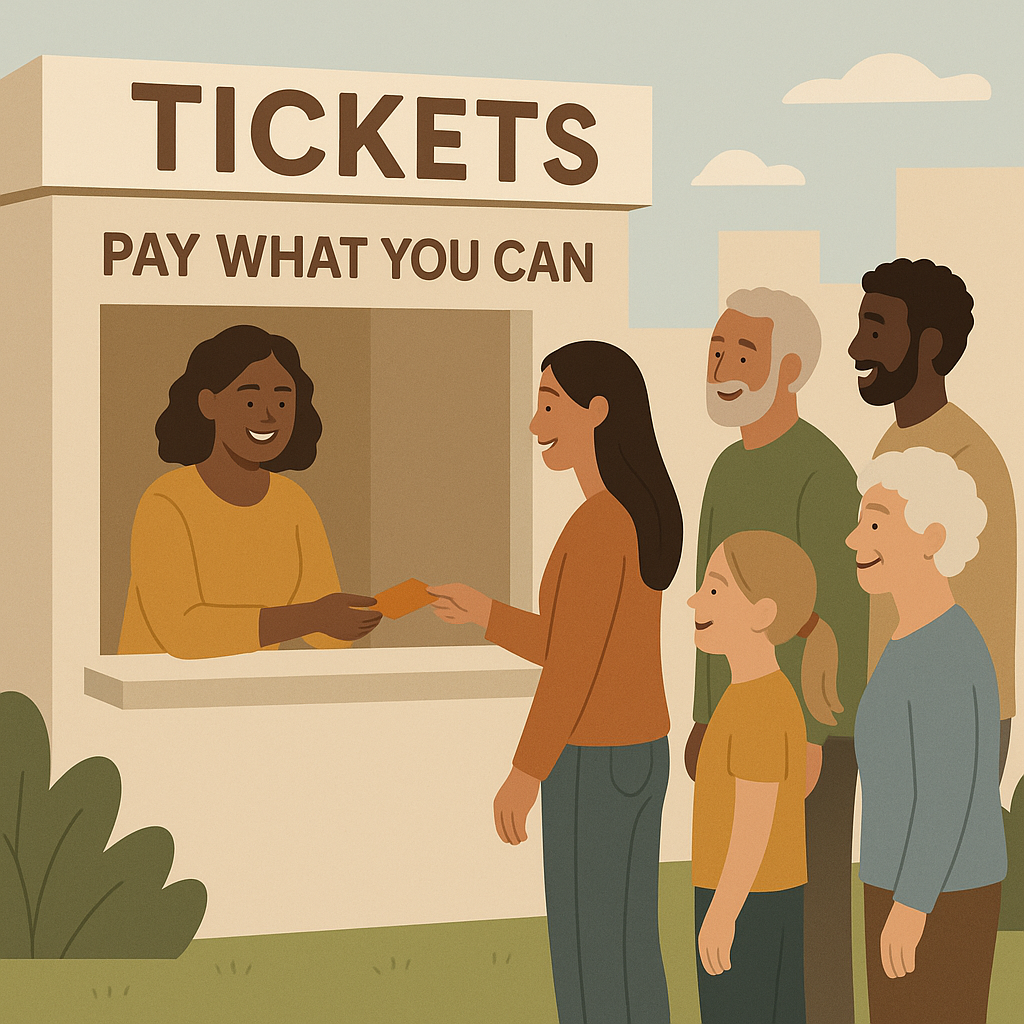
One of the challenges with traditional ticketing platforms is their rigid pricing structures. Zero-fee platforms often include features like "Pay What You Can" (PWYC) pricing, allowing attendees to choose from suggested price points or enter a custom amount. This flexibility is particularly valuable for equity-focused events or fundraisers, where accessibility and inclusivity are priorities.
Streamlining Event Management
Non-profits frequently juggle multiple tools for event management, member databases, and communications. Some ticketing platforms simplify this process by combining ticketing, RSVP tracking, member management, and branded websites into a single solution. This reduces the need for separate services and minimizes the time spent on administrative tasks.
Addressing Common Concerns
Q: How do zero-fee platforms sustain their operations?
A: Many zero-fee platforms are supported through donations, sponsorships, or optional paid features for larger organizations. This model allows smaller non-profits to benefit without incurring additional costs.
Q: Are these platforms user-friendly for non-technical teams?
A: Yes, most zero-fee platforms are designed with simplicity in mind, making them accessible for volunteer admins or small teams with limited technical expertise.
Q: Can these platforms handle in-person ticket sales?
A: Yes, many platforms include tools for recording on-site payments, such as cash collections or card-at-door transactions.
Final Thoughts
Non-profits can benefit greatly from exploring zero-fee ticketing platforms. These solutions help organizations maximize their revenue while offering flexible and user-friendly tools for event management. By reducing ticketing costs, non-profits can allocate more resources to their mission and community impact.