How to Plan Sustainable and Inclusive Community Events
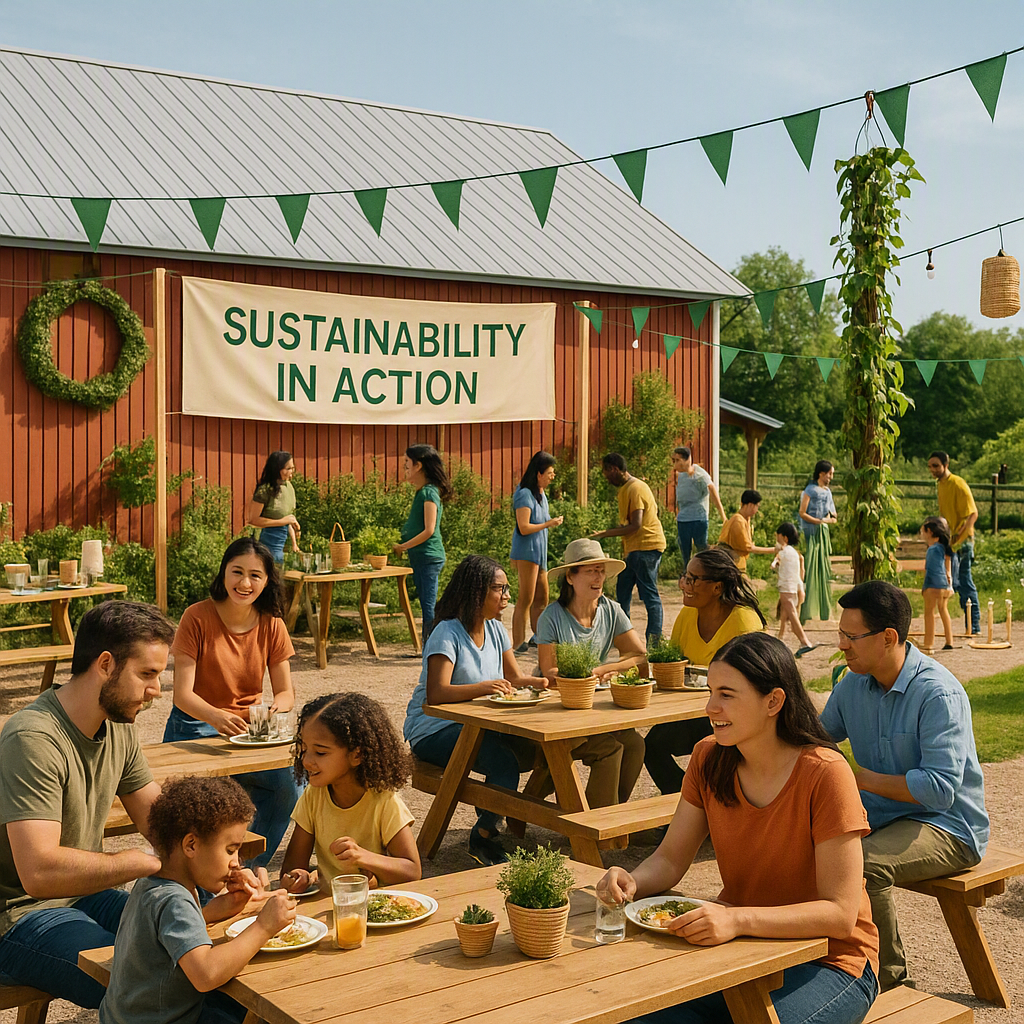
Sustainability and inclusivity are becoming increasingly important in event planning, especially for community-focused gatherings. While achieving formal certifications can be a challenge for smaller organizations, there are practical steps that can be taken to make events more environmentally friendly and accessible.
What Sustainability Standards Mean for Smaller Events
Sustainability in event planning often focuses on areas like carbon footprint reduction, waste management, and local sourcing. These principles are scalable and can be applied to events of any size, from large weddings to small community fundraisers.
Here are some practical steps to consider:
- Venue Choice: Opt for venues that align with sustainable practices. For community events, this could mean choosing a local hall or outdoor space that minimizes energy use.
- Waste Management: Implement simple systems like recycling bins or encourage attendees to bring reusable containers. Avoid single-use plastics whenever possible.
- Local Sourcing: Partner with local suppliers for food, decorations, and other event needs. This supports the local economy and reduces the environmental impact of transportation.
The Hidden Cost of Disorganized Event Management
One common challenge for small organizations is the complexity of event planning. Managing ticket sales, RSVP lists, and volunteer schedules can be overwhelming and lead to inefficiencies.
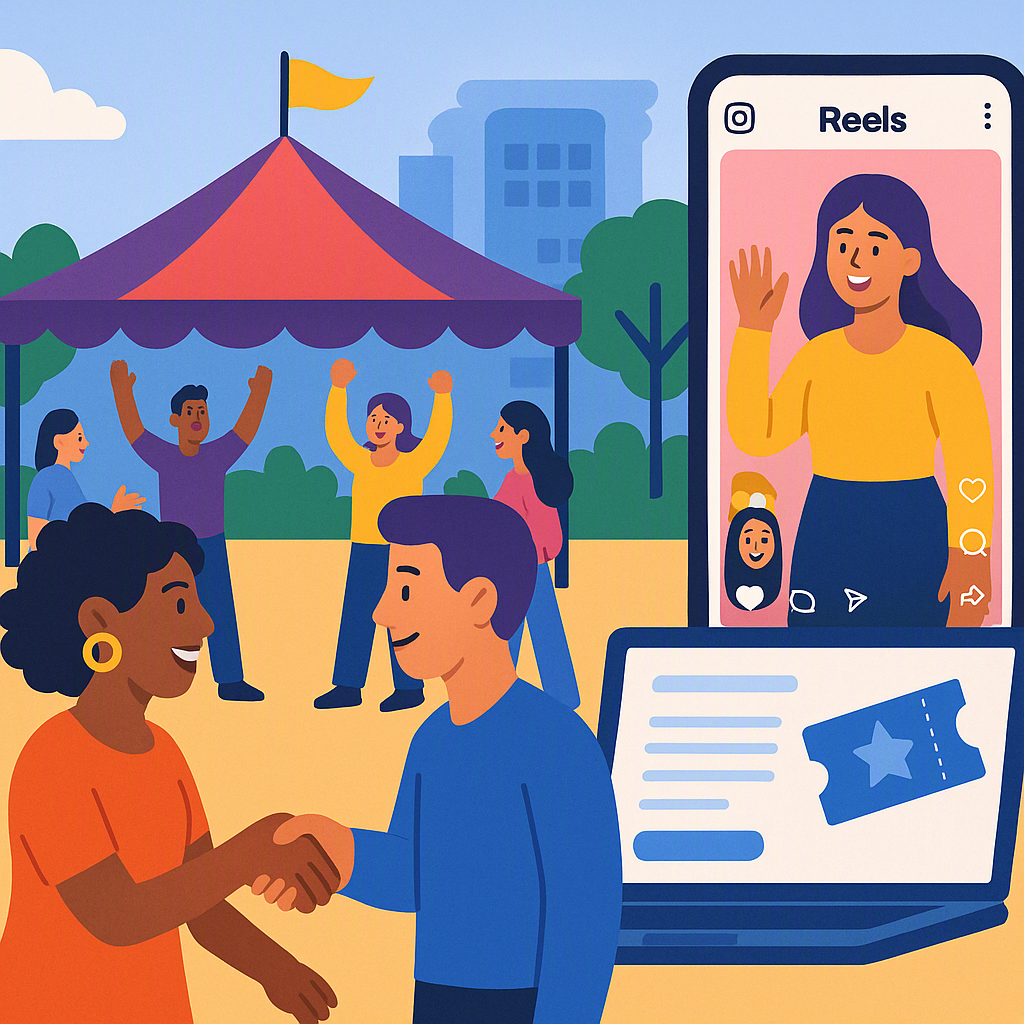
Centralized event management platforms can simplify this process. For example, using a single platform to handle ticket sales, RSVPs, and volunteer coordination can save time and reduce errors. This allows organizers to focus on creating a meaningful experience for attendees.
Illustrative example — Imagine hosting a free community BBQ:
- Set up the event with RSVP tracking on a centralized platform.
- Use automated confirmation emails to save time and ensure attendees are informed.
- On the event day, have an accurate guest count to plan food and resources effectively.
Why Zero-Fee Ticketing Matters
For budget-conscious organizations, ticketing fees can significantly impact revenue. Many platforms charge a percentage of each ticket sold, which can add up quickly, especially for larger events. Opting for a platform that charges zero ticketing fees, apart from standard payment processing costs, can help maximize revenue and make events more financially sustainable.
Pay-What-You-Can Pricing: Accessibility Meets Revenue
Flexible pricing models, such as Pay What You Can (PWYC), can make events more accessible while still generating revenue. This approach allows attendees to choose from suggested price points or enter their own amount, lowering the barrier to entry and fostering community goodwill.
For example, if you’re hosting a movie night, you could:
- Suggest a standard price for general admission.
- Offer a lower price for students or low-income attendees.
- Allow attendees to pay more if they wish to support the event further.
This model often leads to increased attendance and builds trust within the community.
What’s the Catch?
Switching to new tools or workflows can seem daunting, but many event management platforms are designed to be user-friendly. With minimal technical skills, you can set up and manage events efficiently. The time saved on administrative tasks can then be redirected toward enhancing the event experience and engaging with your community.
FAQ
1. How can I make my events more sustainable without increasing costs?
Start small: use digital tickets to save paper, partner with local vendors to reduce transportation emissions, and encourage attendees to bring reusable water bottles.
2. Is PWYC pricing risky?
Not if you set suggested price points. Most people will pick the middle option, and the flexibility often encourages higher attendance.
3. What’s the benefit of a centralized platform for event management?
It reduces administrative chaos. You can track everything—tickets, RSVPs, payments—in one place, which saves time and prevents mistakes.
Final Thoughts
You don’t need a formal certification to make a difference in your community events. By focusing on sustainability, simplifying your processes, and adopting inclusive pricing models, you can create events that are both impactful and efficient. Leveraging tools like centralized event management platforms can further streamline your efforts, allowing you to focus on what truly matters—building connections and fostering community spirit.