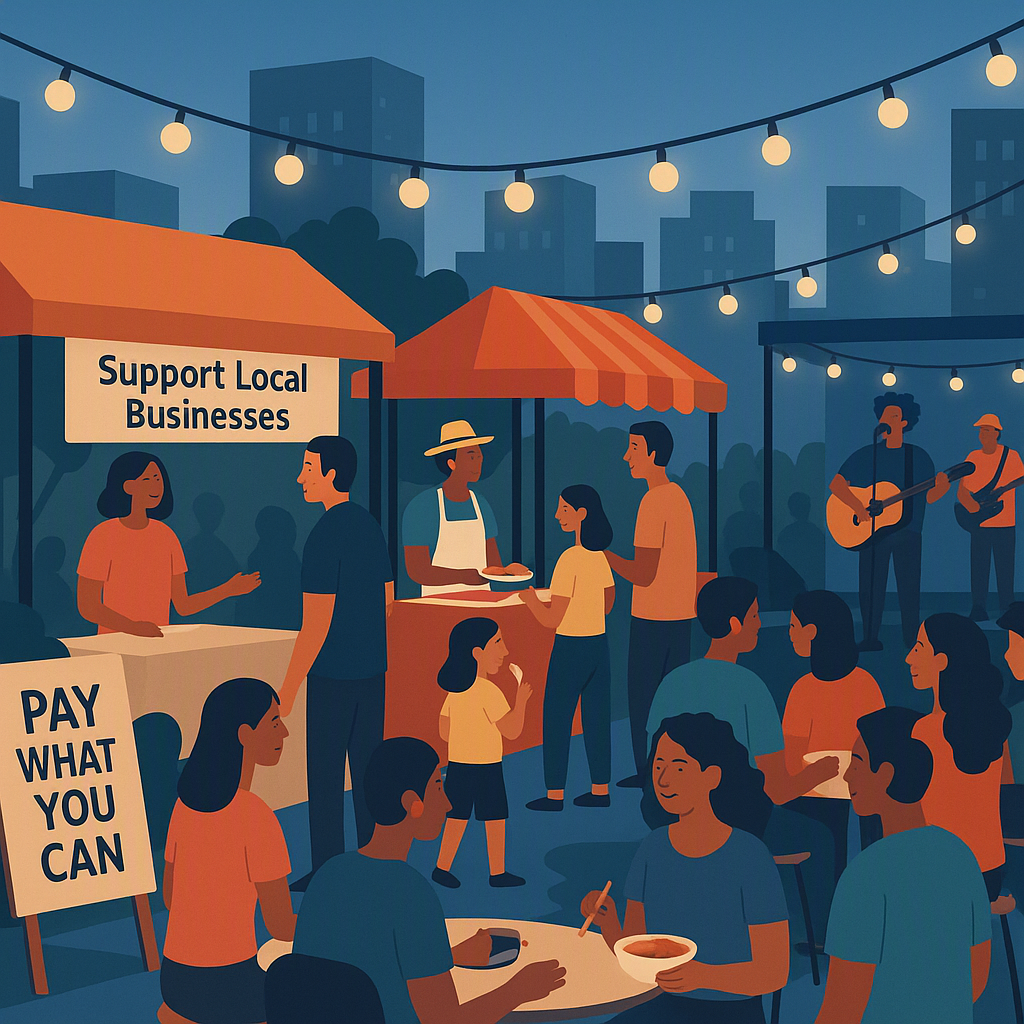
Large-scale concerts and events often have a significant impact on local economies, driving spending on hotels, restaurants, shopping, and transportation. While community events may operate on a smaller scale, they can still create meaningful benefits for their local areas by applying similar strategies. Let’s explore how community event planners can maximize their impact.
Local Economic Impact: Start Small but Think Big
Big events create ripple effects—visitors spend on accommodations, meals, shopping, and transport. Community events can also generate economic benefits, even if on a smaller scale. For example, a weekend food festival could boost local vendors, attract visitors from nearby areas, and foster collaborations among local businesses. To ensure your event makes an impact, start with clear planning. Map out expected attendance and encourage attendees to spend locally. Partnering with nearby cafes, shops, or service providers for discounts or tie-ins can amplify the effect. Use your event platform to share these offers—highlighting them on your ticketing page or event blog builds awareness early.
Ticketing Lessons: Affordable and Flexible Pricing
Pricing tickets strategically is crucial for community events. Overcharging can discourage attendance, while undercharging may leave you struggling to cover costs. Flexible pricing models like “Pay What You Can” (PWYC) can help. Not everyone can afford a high-priced ticket, but some attendees might willingly contribute more. PWYC allows you to suggest tiers (e.g., low, medium, high) while giving attendees the choice to pay what fits their budget. This approach can increase accessibility and potentially boost revenue.
Simplify Event Logistics: Learn from Big Players
Seamless logistics are key to successful events. Confusion over ticketing, check-in processes, or venue organization can leave a bad impression and discourage future attendance. Instead of relying on manual processes like spreadsheets and email chains, consider investing in a centralised event management tool. Such tools can help with RSVP tracking, ticketing, and automated attendee communication, freeing up time to focus on improving the event experience.
Data Ownership: What You Can Learn from Your Attendees
Understanding your audience is critical to planning better events. Knowing who’s buying tickets, which price points resonate, and where attendees are traveling from can help you tailor future events to meet community needs. Choose platforms that allow you to own and analyze your attendee data, enabling you to make informed decisions. For example, if you notice a significant number of attendees coming from neighboring towns, you might consider partnerships with local transport providers or targeted advertising in those areas.
Leveraging Zero-Platform Fees for Bigger Outcomes
Ticketing fees can eat into your revenue, reducing funds available for performers, marketing, or making your event more accessible. Platforms that charge zero or minimal fees allow you to keep more of your ticket revenue, which can then be reinvested into improving your event or subsidizing ticket costs for attendees.
Key Takeaways for Community Planners
- Think beyond ticket sales. Encourage local spending through partnerships and promotions.
- Offer flexible pricing. PWYC models can increase accessibility and revenue simultaneously.
- Streamline logistics. Use the right tools to manage RSVPs, ticketing, and attendee communication.
- Own your data. Better insights lead to better events.
- Ditch platform fees. Keep more of what you earn and reinvest in your community.
Community events may not generate millions in revenue, but with the right strategies, they can still create meaningful economic and social impact. After all, isn’t that what community building is all about?
If you're ready to simplify your event planning and maximize your impact, CommunityTix can help. Get started for free →
FAQs
Q: How do I promote local businesses alongside my event?
A: Partner with vendors and highlight them on your event page. Offer joint promotions—e.g., discounted meals with ticket stubs.
Q: Is PWYC hard to set up?
A: Not with the right platform. CommunityTix has a built-in PWYC feature that lets you set suggested amounts and track contributions.
Q: What’s the real advantage of zero platform fees?
A: More money stays with your organization. That’s money you can use to improve your event or lower ticket prices.
Q: Can I track cash and card payments made at the event?
A: Yes. CommunityTix allows on-site payment recording for cash and card transactions, with easy CSV exports for reconciliation.
Q: How do I get started with CommunityTix?
A: Just visit CommunityTix to sign up for a free trial. It takes only a few minutes to set up your first event.