I Used to Think Project Directors Were Just for Big Events
If you’d asked me a few years ago, I’d have said project directors were overkill for community events. I thought they were for corporate conferences or giant music festivals. Small organizations like ours, with 200 members and a handful of annual events, didn’t need that level of management—or so I believed.
Then Sledge Hired a Project Director
In August 2026, Sledge—a mid-sized event production company—announced they were hiring a project director for their community-focused events division. I saw the job posting and thought, "Why would they need someone at that level for local cultural festivals or volunteer-run sports tournaments?" But then I dug deeper. According to Reuters, Sledge is pivoting to serve smaller organizations and non-profits, focusing on events that prioritize inclusivity and affordability. They weren’t just hiring for the role; they were redefining how community events are managed.
Why My Old Belief Held On
Honestly, it’s because of budgets. Most small organizations are stretched thin. When you’re choosing between hiring staff and funding the event itself, the idea of adding a project director seems absurd. Plus, there’s the assumption: "We’ve always done it this way." Volunteers handle ticketing, spreadsheets track RSVP counts, and someone’s cousin throws together a flyer. It’s chaotic, but it works—kind of.
But when you operate this way, you’re relying on luck and goodwill more than good planning. Volunteers burn out. Spreadsheets break. Someone forgets to update the flyer, and suddenly your event has the wrong date plastered all over social media. Chaos might feel normal, but it’s also expensive in terms of time, effort, and opportunities lost.
What Changed My Mind
Here’s what Sledge’s move highlighted for me: it’s not just about having someone in charge. It’s about creating systems that reduce chaos and make events scalable. A project director doesn’t just oversee things—they centralize processes, streamline communication, and connect the dots between ticketing, member management, and on-site logistics.
What Does a Project Director Actually Do?
A good project director focuses on four main things:
- Defining Clear Goals: They ensure everyone understands the event’s purpose, audience, and success metrics. Instead of vague goals like "raise money," they’ll set specific targets like "increase donations by 15% compared to last year."
- Centralizing Communication: They act as the hub for all event-related conversations, ensuring that volunteers, vendors, and stakeholders are on the same page. This eliminates the "missing email" problem.
- Systematizing Processes: From ticketing to marketing to volunteer coordination, they create repeatable workflows that save time and reduce errors.
- Anticipating and Solving Problems: With experience, they can foresee potential issues and address them before they become emergencies.
Tools That Mimic a Project Director’s Role
Even if you can’t afford to hire a full-time project director, you can still adopt tools that bring structure to your events. For example, platforms like CommunityTix bring many project management benefits to small organizations. Here’s how:
- Centralized Ticketing and Payments: Manage all ticket sales, RSVPs, and donations in one place. No more reconciling multiple spreadsheets or chasing down cash payments.
- Flexible Pricing Models: Tools like Pay What You Can (PWYC) allow attendees to contribute at their comfort level, making events more inclusive.
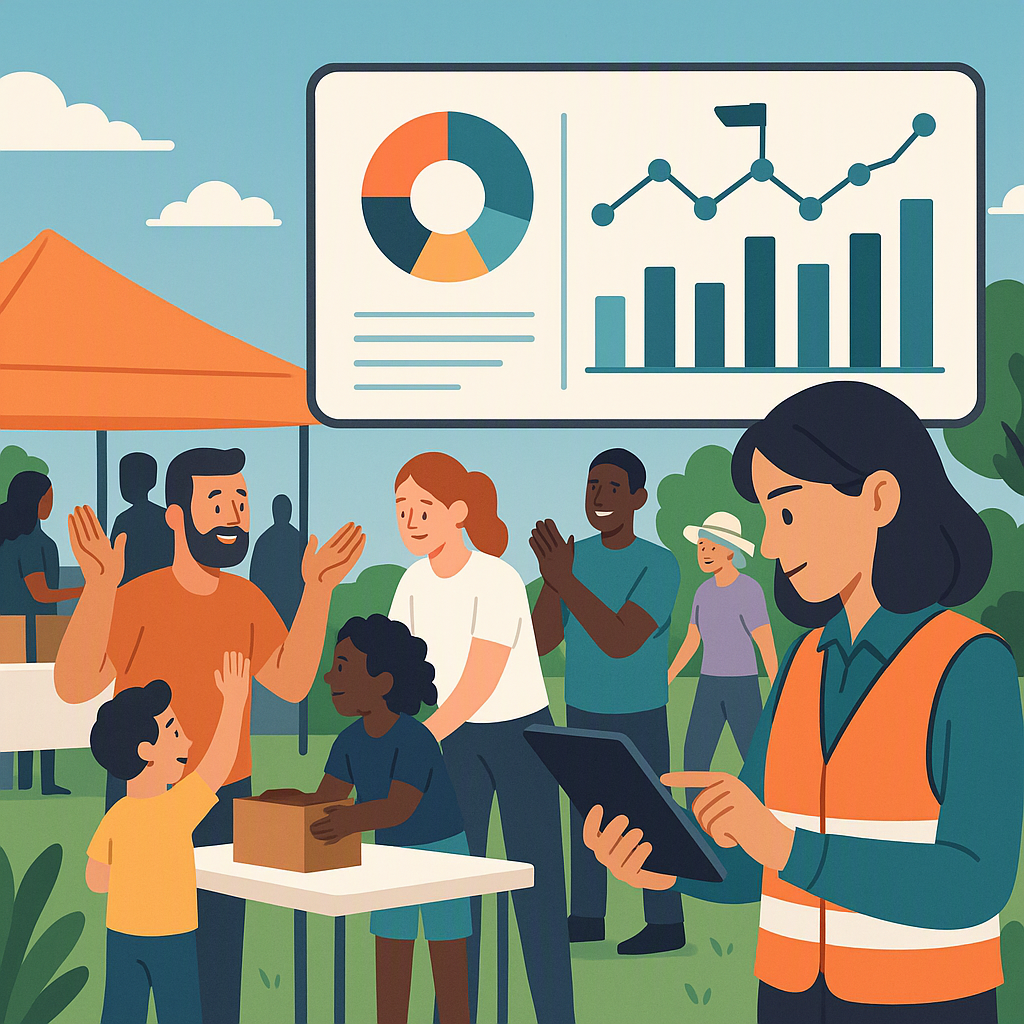
- Real-Time Data Insights: See how many tickets have been sold, how much revenue has been generated, and where your attendees are coming from—all in real-time.
What I Do Differently Now
This year, we’re rethinking our event roles. Instead of an "all-hands-on-deck" approach, we’ve assigned clear responsibilities to our team. One person oversees ticketing, another manages RSVPs, and a third coordinates with vendors.
The Power of a Centralized Platform
We’ve also moved everything to a single platform. CommunityTix lets us:
- Track guest counts, monitor capacity, and reconcile payments instantly.
- Manage on-site payments seamlessly, whether attendees pay cash or use a card.
- Offer flexible payment options like PWYC, which has already increased our attendance for events where affordability is a concern.
For example, last year’s heritage festival was a logistical nightmare. We had cash payments at the door, online RSVPs, and printed tickets—all tracked separately. It took our treasurer six hours to sort it all out. This year, we tracked everything in one place, and reconciliation took 20 minutes. The difference is night and day.
What Being Wrong Cost Me
Not hiring someone to oversee project management for our events meant missed opportunities. Here’s what it cost us:
- Lost Revenue: Disorganized ticketing led to errors and missed payments.
- Wasted Time: Volunteers spent hours on tasks that could’ve been automated.
- Frustrated Attendees: Confusing registration processes likely turned people away.
While I’m still not sure how to justify the cost of a full-time project director, platforms like CommunityTix are helping us bridge the gap. They centralize tools, which is exactly what a good project director would insist on.
Decision Framework: Do You Need a Project Director or a Platform?
| Criteria | Hire a Project Director | Use a Platform (e.g., CommunityTix) |
|---|---|---|
| Event Frequency | Multiple large events/year | Occasional or small events |
| Budget | Can afford dedicated salary | Limited budget |
| Volunteer Base | Small or overextended | Large and reliable |
| Complexity of Events | High (multiple vendors, venues, etc.) | Low to medium |
| Need for Scalability | High | Moderate or low |
FAQ
1. Isn’t centralized event management expensive?
Not necessarily. Platforms like CommunityTix are free to use, with zero platform fees. You only pay standard PayPal processing fees. For small organizations, that’s a game-changer.
2. How does Pay What You Can pricing work?
PWYC lets you set up to three suggested price points, but attendees can enter their own amount. It’s ideal for fundraisers or events where accessibility matters.
3. Can CommunityTix handle on-site payments?
Yes. It tracks cash collections and card payments at the door, so you can reconcile everything after the event.
4. What’s the biggest benefit of centralized tools?
Time savings. Instead of juggling spreadsheets, email chains, and multiple platforms, everything lives in one place. It’s easier for volunteers and reduces errors.
5. How do I start using CommunityTix?
Sign up for a free trial here. You don’t need a credit card, and setup takes less than 10 minutes.
The Bottom Line
If you’re running community events, whether it’s a local festival or a charity fundraiser, take a cue from Sledge’s playbook. Centralized tools and flexible pricing models make it easier to scale your events and keep your members engaged. Platforms like CommunityTix give you the functionality of a project director without the cost.