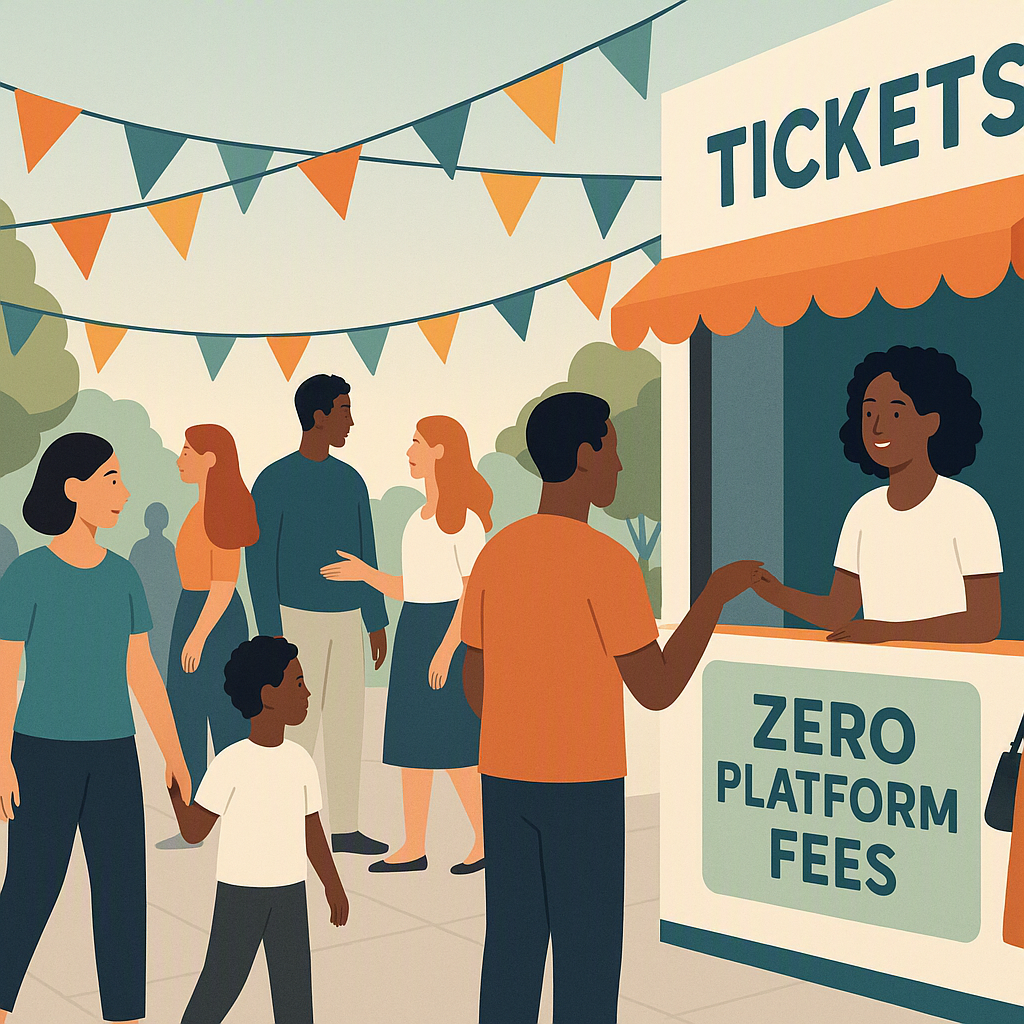
Let’s be honest: most community event planners aren’t thinking about hiring a project executive. Why would they? That sounds like something for big-budget festivals or corporate conferences, not your local cultural fair or annual fundraiser.
But here’s the thing—project executives in professional event management play a critical role in keeping chaos at bay. While your event might not need a team of specialists, their approach can teach community planners a lot about avoiding common pitfalls. Let’s break it down.
The Role of a Project Executive: Order in Chaos
Project executives don’t just coordinate logistics—they act as the nerve center of an event. They keep budgets on track, deadlines in sight, and teams aligned. For large-scale events, their role is to ensure no detail slips through the cracks. It’s not glamorous, but it’s critical.
In smaller community events, the stakes might seem lower, but the challenges are often the same. Ever had volunteers forget to collect RSVPs? Or realized too late that you oversold tickets because the spreadsheet wasn’t updated? These are the kinds of headaches that a project executive’s mindset can help prevent.
What’s the Takeaway for Small Organizations?
Here’s the lesson: even without a formal project executive, you need a system. Something—or someone—must act as the central hub for your event. That’s where tools like CommunityTix come in. It’s not a person, but it works like one.
Illustrative example — A tool like CommunityTix can automatically track RSVP counts, manage ticket sales, and send confirmation emails. It’s like having a virtual assistant who never sleeps. If you can’t afford a dedicated project executive, you can still invest in tools that prevent mistakes and save time.
Why the Old Way Survived So Long
The old way—spreadsheets, email chains, and last-minute text messages—feels familiar. It’s messy, sure, but it’s what many planners have always done. However, this approach often leads to inefficiencies, errors, and wasted time.
For example, reconciling data from multiple sources can take hours and still result in mistakes. Duplicate emails might get sent to guests, or ticket sales might not align with actual attendance. These errors can cost time, trust, and even revenue.
What to Do Differently
Centralizing your event management processes can make a significant difference. Using a tool like CommunityTix to manage RSVPs, ticket sales, and member databases in one place can streamline operations. While no tool is perfect, having a centralized system makes it easier to identify and fix issues when they arise.
The Real Cost of Being Wrong
Mistakes in event planning can cost time, trust, and revenue. Time is wasted fixing errors that a better system could have prevented. Trust is lost when donors or attendees feel ignored or spammed. Revenue can be left on the table if pricing strategies or ticketing options aren’t optimized.
Even with a better system, challenges remain. For example, getting volunteers to consistently use the system or managing no-shows are ongoing issues. However, relying solely on manual processes is rarely the solution.
Closing Thoughts
If you’re managing community events, consider adopting the mindset of a project executive. You don’t need a full-time professional, but you do need a central hub for your operations. That might be a person, or it might be a tool like CommunityTix.
Ready to simplify your event planning? Get started free →