The Ripple Effect of Event Platform Consolidation
The event management industry has seen a trend of consolidation, with larger companies acquiring smaller platforms to create all-in-one systems. While this may seem like a step forward for the industry, it often leaves small community organizations and nonprofits struggling to keep up with rising costs and bloated features they don’t need. For community event organizers running on tight budgets, this trend can feel like yet another hurdle.
Let’s break down what this consolidation means for community organizers and why it’s important to rethink your event management toolkit.
The Problem with Consolidation
When event tech consolidates, the first thing to go is flexibility. Tools get bloated with features aimed at big conferences and global summits. Alongside that, fees often increase to cover "better" features that small organizations may not even use. For small nonprofits, this creates three major issues:
- Higher Costs: Platforms often charge significant fees per ticket, and these fees can increase after acquisitions to cover additional features.
- Loss of Control: Consolidated platforms often lock you into their terms. Exporting attendee lists or customizing ticketing rules can become challenging due to restrictive terms of service.
- Misaligned Features: Advanced analytics dashboards and integrations with enterprise tools are often unnecessary for small organizations, making the platforms less user-friendly and more expensive.
As noted by industry observers, these changes often prioritize large-scale brands over grassroots communities, leaving smaller organizations with fewer options.
How Community Event Organizers Can Adapt
Here’s the good news: you don’t need to rely on these consolidated platforms. Tools designed specifically for community organizations, like CommunityTix, offer simpler, more affordable alternatives without the baggage of corporate consolidation.
For example, if you’re running a fundraiser or a cultural event, CommunityTix provides features that are tailored to the needs of small organizations:
- Charge Zero Platform Fees: You keep 100% of ticket revenue, with only standard payment processing fees applying. This can save significant amounts compared to platforms that take a percentage of ticket sales.
- Offer Flexible Pricing: CommunityTix includes a built-in Pay What You Can (PWYC) feature. You can set suggested price points and allow attendees to enter a custom amount. This is ideal for equity-focused events where accessibility is a priority.
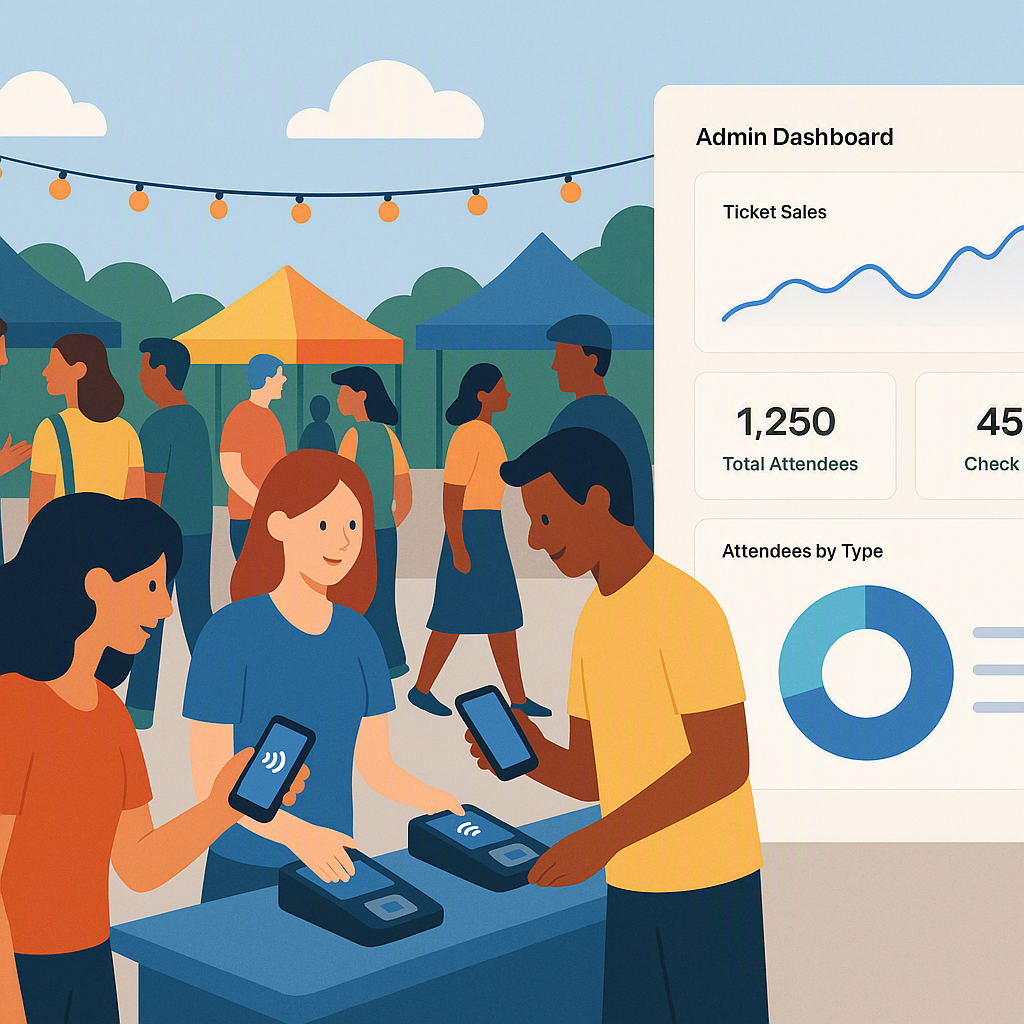
- Track On-Site Payments: For events that include in-person ticket sales, the platform allows for easy tracking and reconciliation of cash or card payments.
These features are designed to help small organizations navigate the challenges of rising costs and limited options.
The Pay What You Can Game-Changer
The PWYC feature is one of the most effective strategies for community events. Not everyone in your audience can pay the same amount, and traditional ticketing platforms often assume fixed pricing. This can alienate potential attendees. PWYC allows you to meet people where they are, making events more accessible while still covering costs.
For example, you could set a suggested price for an event but allow attendees to pay more or less based on their financial situation. This flexibility can lead to increased attendance and potentially higher overall revenue, as some attendees may choose to pay more than the suggested price.
Platforms like CommunityTix make PWYC a core feature, understanding the financial dynamics of community organizations. This approach prioritizes accessibility and inclusivity, which are often key values for nonprofits and local groups.
What Event Platform Consolidation Tells Us About the Future
The trend of consolidation in the event tech industry is a signal that small organizations need to adapt. While larger platforms may offer comprehensive solutions, they often come at a cost that’s prohibitive for grassroots organizations. However, this doesn’t mean you have to settle for high fees and features you don’t need.
Community-first platforms like CommunityTix are proving that there’s another way. Built on principles of transparency, affordability, and control, these platforms offer tools that work for small organizations—not against them.
FAQ
1. What makes CommunityTix different from platforms like Eventbrite?
CommunityTix charges zero platform fees, offers PWYC pricing, and includes features like on-site payment tracking. Many larger platforms charge significant fees per ticket and don’t prioritize community-specific needs.
2. How does PWYC actually work?
You can set up to three suggested price points and allow attendees to enter a custom amount. It’s flexible, allowing you to reach a broader audience while still covering costs.
3. Can I use CommunityTix for free events?
Yes! You can create RSVP-only events with capacity limits, guest tracking, and automatic email confirmations.
4. What if I don’t know how to set this up?
CommunityTix is designed for non-technical users. The admin dashboard is easy to navigate, and you can launch your first event in under 10 minutes.
5. Does CommunityTix lock me into a contract?
No. You own your data, and there’s no vendor lock-in. It’s open-source, so you have full transparency.
Ready to Regain Control?
If you’re tired of paying high fees for features you don’t need, it’s time to explore CommunityTix. Built for community organizations, it helps you manage events, ticketing, and memberships without breaking the bank. Get started free →