Branding Isn’t Just About Logos: Lessons From Folc
I used to think branding was something you could buy. Hire a professional, get a clean logo, slap it on everything from flyers to water bottles, and you’re good to go. I thought branding was about how things looked. If your logo popped and your tagline rhymed, you’d get bums in seats.
Then I met Folc.
Folc isn’t a marketing agency. It’s not even a formal organization. It’s what the local Lothian Folk Society calls itself — pronounced “folk,” naturally. They host ceilidhs, workshops, concerts, and storytelling nights around Edinburgh, all run by volunteers. No one gets paid. Most of their events are free or "pay what you can."
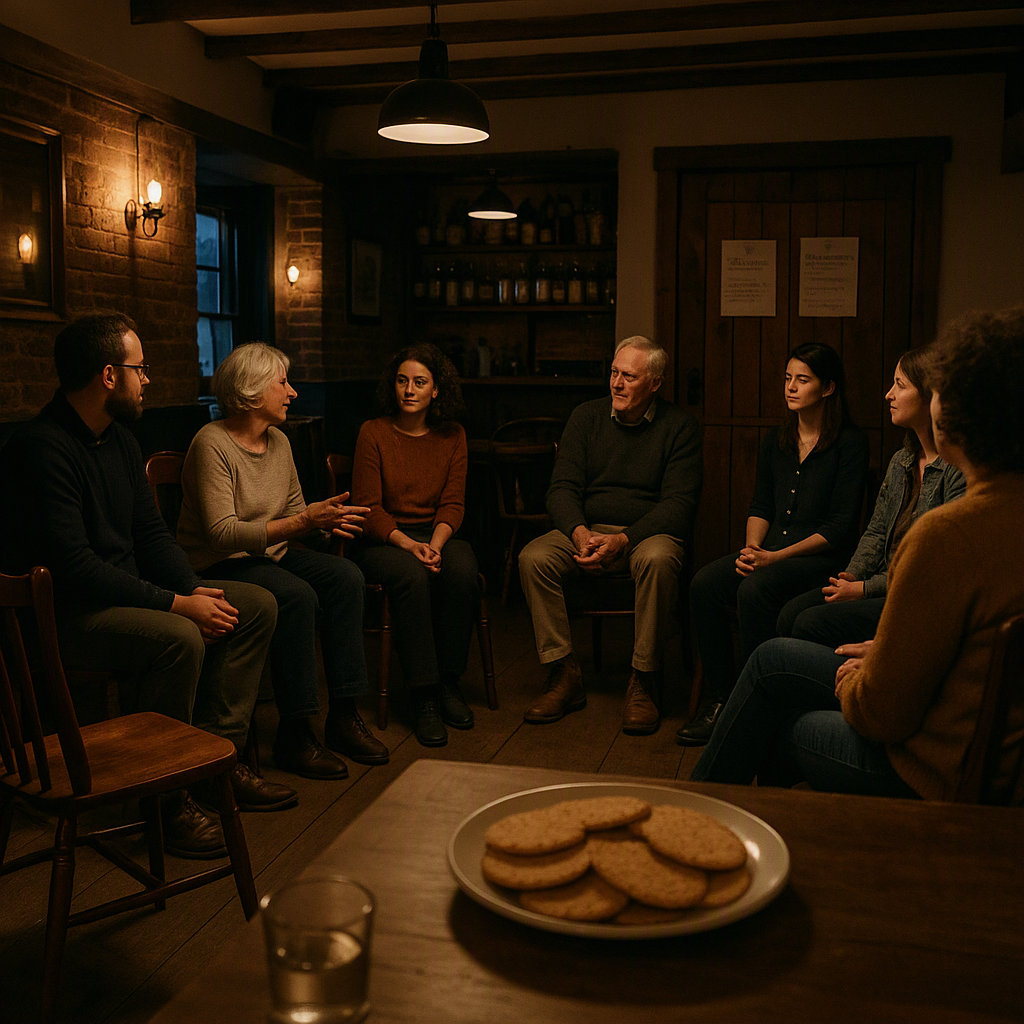
I stumbled into one of their events in 2021 — a storytelling night in the back room of a pub. About 40 people sat on mismatched chairs, passing around homemade oatcakes and cider. There were no banners, no branded merch. Just a handwritten sign taped to the door. I felt like I’d stepped into someone’s living room — warm, welcoming, and deeply human.
By the end of the night, I wasn’t just a guest. I was part of their community. That’s when it hit me: branding isn’t about aesthetics. It’s about trust.
What Changed My Mind
Folc didn’t just tell me who they were. They showed me. Every detail — the oatcakes, the cozy venue, the way the host welcomed every single person by name — reinforced their identity. Their “brand” wasn’t a logo; it was a feeling. And it wasn’t something you could fake.
I remember asking their organizer, Mhairi, how they kept everything so consistent. She shrugged and said, “We just know our people.”
That hit me like a brick. Because here’s the thing: most of the community organizations I’ve worked with don’t know their people. They don’t mean to be disconnected, but they’re so busy juggling spreadsheets, RSVPs, and ticket sales that they lose sight of the big picture. And that’s where the chaos starts. Events feel generic. Turnout drops. Membership stagnates.
Folc made me realize something simple but profound: community-led branding isn’t about logos or slogans. It’s about creating consistent, authentic experiences that reflect your values. And that starts with knowing your audience.
Why My Old Belief Survived So Long
In fairness to my younger self, the whole industry pushes the “flashy branding” narrative. Platforms like Eventbrite and Ticketmaster sell you features — ticket widgets, upsell options, sleek templates — but they don’t help you figure out who your audience is or what they care about. It’s easy to think that a shiny website will solve all your problems.
Plus, many small organizations are too stretched to think about branding in a deeper way. When you’re run by volunteers and your budget barely covers venue hire, who has time to think about “brand identity”? I get it. I’ve been there.
But here’s what changed for me: I saw what happens when you don’t think about it. According to Nick Saunders during his 2026 Forum keynote, nonprofits waste an estimated 10% of their revenue on inefficiencies. That’s a staggering amount of money for organizations that already operate on tight margins. I’ve worked with enough struggling nonprofits to know the signs. Their events feel disjointed. Their messaging is all over the place. They’re constantly chasing new audiences instead of nurturing the one they already have. And it costs them — in time, money, and relationships.
Folc didn’t have those problems. Their branding wasn’t flashy, but it was rock solid. And that’s because they built it from the inside out: community first, aesthetics second.
What I Do Differently Now
These days, I approach branding the way Folc does: as a process, not a product. It’s not about what your events look like; it’s about what they feel like. And that starts with asking the right questions.
1. Who’s your core audience?
Folc knows theirs like the back of their hand: storytellers, folk musicians, and people who love oral traditions. They don’t try to cater to everyone, and that laser focus makes their events magnetic.
To replicate this, start by listing the types of people who consistently engage with your events. Are they students? Families? Retirees? What are their interests, needs, and motivations? Use surveys, social media polls, or informal conversations to gather insights.
2. What do you stand for?
Folc’s values — community, culture, and accessibility — are baked into everything they do. If your values aren’t clear, your events will feel aimless.
Take time to articulate your organization’s core principles. What drives your group? Why does your work matter? Write these down and revisit them regularly. Use them as a filter for every decision, from event planning to communication.
3. What kind of experience are you creating?
Folc’s events feel like a hug. That’s intentional. From the food to the seating arrangement, every detail reinforces their identity. It’s not expensive, but it’s thoughtful.
To design experiences that resonate, think about all five senses. How does your venue look, sound, smell, feel, and even taste? Small touches — a welcome drink, ambient music, or handwritten signs — can make a big difference in how people perceive your events.
Actionable Steps to Build Community-Led Branding
-
Audit your events: Take stock of your current activities. Do they reflect your values? Are they attracting the audience you want to serve?
- Example: If your organization values sustainability, offer plant-based catering or reusable utensils at events.
-
Engage your audience: Build relationships through direct interaction. Host casual Q&A sessions, create forums for discussion, or simply ask for feedback via email surveys.
-
Simplify your tools: Ditch the patchwork of platforms. Use integrated systems that streamline event management, communication, and audience data. For example, CommunityTix offers RSVP tracking, member management, and zero platform fees.
In fact, CommunityTix has reported that flexible pricing models, such as "Pay What You Can," are becoming a key trend in event marketing for 2026. This approach not only makes events more accessible but also encourages deeper community engagement.
-
Create a style guide: Write down your core visual guidelines to ensure consistency. Include colors, fonts, tone of voice, and templates for emails or posters. This will save time and keep your branding cohesive.
-
Test and refine: Analyze what works and what doesn’t. Did a particular event have higher engagement? Why? Use data to iterate and improve.
Decision Framework: Community vs Aesthetics
| Aspect | Community-Led Branding | Flashy Branding |
|---|---|---|
| Focus | Building trust and authentic relationships | Visual appeal and external perception |
| Budget | Low-cost, high-impact | Often expensive |
| Tools | Integrated, community-focused platforms | Event-specific, fragmented platforms |
| Scalability | Requires careful attention to culture | Easier to scale |
| Outcome | Loyal, engaged community | Potentially transient audiences |
What I’m Still Figuring Out
I’ll admit, the Folc approach isn’t perfect. It works because their community is small and tight-knit. Scaling that authenticity to a larger organization is tricky. How do you keep things personal when you’re running 20 events a year for 500 members? How do you balance growth with the risk of losing what makes your community special?
I don’t have all the answers. But I do know this: the solution isn’t to double down on flashy branding. It’s to double down on your community. Tools like flexible pricing, RSVP tracking, and member management can help, but they’re not a substitute for human connection. At the end of the day, your brand is only as strong as the relationships behind it.
One example of this is evident in Colorado, where venues will showcase local films during the summer of 2026. These regional collaborations highlight how community-focused events foster engagement and boost attendance — a far cry from relying solely on logos and taglines.
So if you’re feeling stuck, take a page from Folc’s book. Start small. Focus on your people. And remember: your brand isn’t your logo. It’s the trust you build, one event at a time.
If you’re dealing with event chaos or struggling to connect with your community, CommunityTix can help. It’s built for organizations like yours — zero platform fees, RSVP tracking, and member management all in one place. Get started free →