What I Once Believed
I used to think ticketing platforms were all the same. Sure, some took bigger cuts than others, but the basic idea was consistent: sell tickets, collect fees, and deliver a decent experience for attendees. Transparency? I figured that was just marketing fluff. After all, who cares about the backend as long as the tickets get sold?
What Changed My Mind
Then came Funcode.hu’s FunPass, launched by Nuweb Group. It’s a face-value ticket resale platform designed to stop scalpers from inflating prices and locking out everyday fans. The platform debuted with high-profile events like A$AP Rocky and Pitbull concerts, and it was all over the news (Reuters, July 2026). For the first time, I saw how much transparency could impact not just pricing but trust.
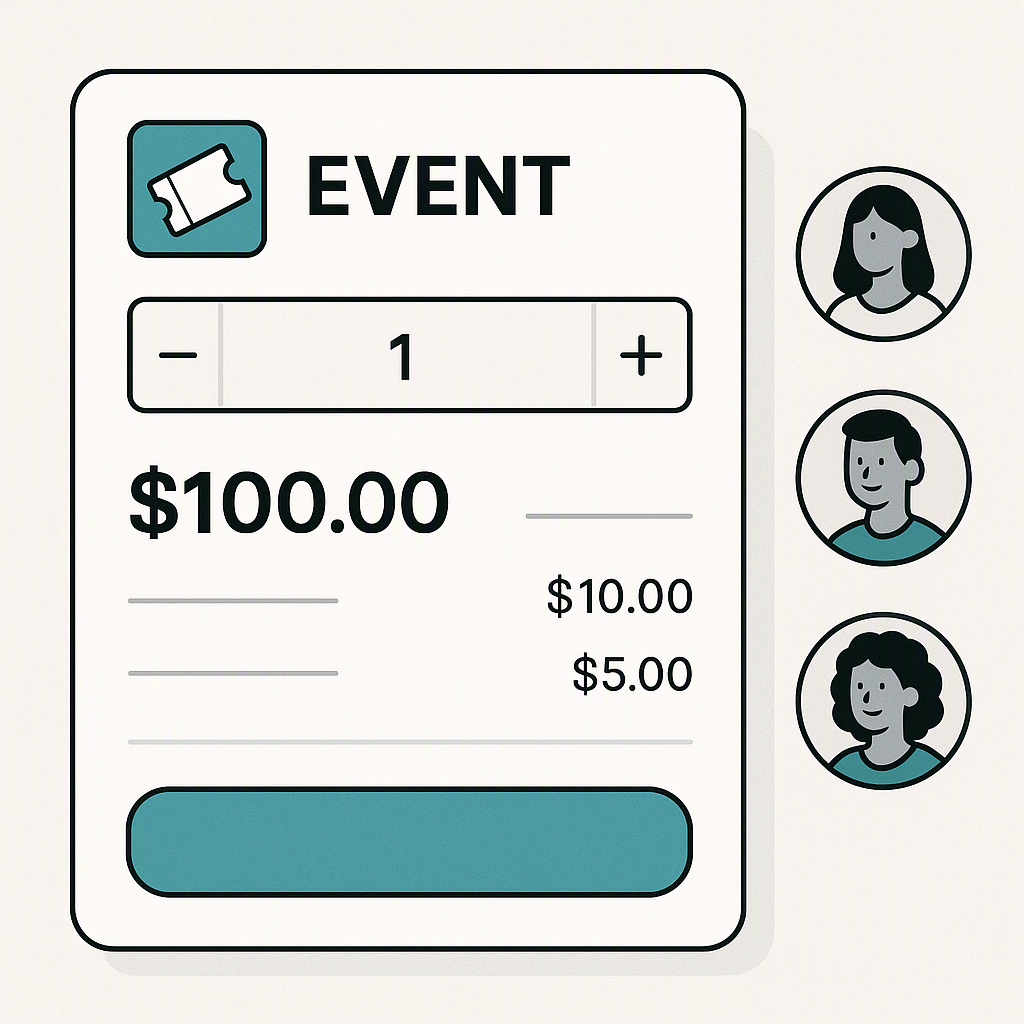
Here’s the kicker: FunPass doesn’t just cap resale prices; it shows buyers exactly what they’re paying for — face value, taxes, fees. Nothing hidden, no surprises. It’s a simple move, but it got me thinking: why don’t more platforms do this?
The Scalping Problem
Before FunPass, the resale market was a free-for-all. Scalpers would buy tickets in bulk and then hike up prices, sometimes doubling or tripling the original cost. This practice didn’t just hurt fans — it eroded trust between event organizers and their audiences. FunPass’s face-value cap is a direct response to this issue, ensuring that resale tickets remain affordable and accessible.
Why Transparency Matters
Transparency isn’t just about listing fees upfront; it’s about empowering buyers. When consumers know exactly where their money is going, they’re more likely to trust the process. Platforms like FunPass and CommunityTix recognize this, offering features that prioritize clarity and fairness over profit.
Why My Old Belief Stuck Around
Let’s be honest — most of us stick with what’s familiar. Platforms like Eventbrite and Ticketmaster dominate because they’re big, recognizable, and easy to use. Their fees, while frustrating, seem like the cost of doing business. And when you’re running a small community event, who has time to question the system?
Plus, transparency feels like a luxury. It’s something you might want but don’t necessarily need — especially if you’re working with tight budgets and volunteer staff. I mean, does anyone really care about how fees are displayed?
Turns out, they do.
Why Familiarity Feels Safer
Big platforms have a track record of reliability. You know that tickets will get sold, attendees will show up, and payments will process without a hitch. But this familiarity comes at a cost — often in the form of hidden fees or inflexible pricing structures. Smaller platforms like CommunityTix may not have the same name recognition, but they offer features that can better align with your goals.
Actionable Steps to Overcome This Mindset
- Audit Your Current Platform: Start by looking at the fees your current ticketing platform charges. Break down each fee to understand its impact on your revenue and customer trust.
- Survey Attendees: Ask past attendees how they feel about ticket pricing and fees. Are they aware of fees upfront? Do they trust the process? This data can help you decide if transparency matters to your audience.
- Compare Alternatives: Research platforms that prioritize transparency, like CommunityTix or FunPass. Look for features like upfront fee disclosures or flexible pricing models.
- Run a Trial Event: Use a transparent platform for a small event and gather feedback. Measure not just financial outcomes but also attendee satisfaction.
What I Do Differently Now
After learning about FunPass, I started paying attention to how ticketing platforms handle transparency. That’s where CommunityTix comes in. Unlike the giants, it charges zero platform fees — you keep 100% of your ticket revenue, minus PayPal’s processing fees. But it’s not just about saving money; it’s about clarity.
CommunityTix lets you break down ticket pricing with features like flexible Pay What You Can (PWYC) options. Say you’re hosting a cultural festival. Some attendees might pay $30, while others can only afford $10. With PWYC, you can offer up to three suggested price points, plus an open field for custom payments. And here’s the best part: no hidden fees. What attendees see is what they pay.
How to Implement a Transparent Pricing Strategy
- Use Flexible Pricing Tools: Platforms like CommunityTix offer PWYC options, which allow you to cater to a broader audience. Use this feature to make your event accessible to different income levels.
- Display Fees Clearly: If your platform includes fees (e.g., payment processing), make sure they’re clearly displayed before checkout. Avoid surprising attendees with unexpected costs.
- Educate Your Audience: Use your marketing materials to explain where ticket revenue goes — for example, to cover artists, venue costs, or community programs. Transparency builds trust.
- Test and Iterate: Monitor how attendees react to the changes. Use their feedback to refine your approach to pricing and communication.
Why Flexible Pricing Works
PWYC models are particularly effective for events with diverse audiences. For example, a community theater might use this system to ensure that ticket prices don’t exclude low-income attendees. By offering suggested price points, organizers can set expectations while still allowing flexibility.
What It Cost Me to Be Wrong
Sticking with the status quo wasn’t cheap. For years, we used platforms that ate into our ticket revenue with 5-10% fees. At one point, we calculated that a single event with 200 attendees cost us $284 in platform fees alone (CommunityTix blog, May 2026). That’s money we could’ve reinvested in our programs.
But the bigger cost was trust. Attendees would complain about “convenience fees” they hadn’t seen upfront, and we’d struggle to justify them. It created friction — and in community events, friction is the enemy of participation.
Trust and Repeat Business
Hidden fees don’t just annoy attendees; they discourage repeat visits. Transparency builds goodwill, which is essential for growing long-term relationships with your audience. Platforms like CommunityTix don’t just save you money; they strengthen trust.
What I’m Still Not Sure About
Transparency sounds great, but it’s not a magic bullet. It won’t fix poor attendance or bad marketing. And platforms like FunPass, while admirable, aren’t perfect. Face-value resale is fantastic, but it hinges on strict enforcement. What happens when scalpers find loopholes?
As for CommunityTix, I wonder how its zero-fee model will scale. Will larger organizations adopt it, or is it destined to remain a niche tool for smaller groups? The idea is solid, but the execution will need constant refinement.
Comparison Table: Ticketing Platforms
| Feature | Eventbrite | Ticketmaster | FunPass | CommunityTix |
|---|---|---|---|---|
| Platform Fees | 5-10% | 10-15% | Varies (for resale) | 0% |
| Transparency | Partial | Low | High | High |
| Resale Capabilities | No | Yes (dynamic pricing) | Face-value cap enforced | No |
| Target Audience | All event types | Large events | Large events with resale | Community organizations |
| Flexible Pricing (PWYC) | No | No | No | Yes |
Final Thoughts
Transparency isn’t just for big concerts or resale platforms. It’s a principle that can transform community ticketing, making events more accessible and fair. Tools like CommunityTix bring that principle to grassroots organizations, proving you don’t need a million-dollar budget to do things right. If you’re tired of hidden fees and clunky systems, give it a shot. Get started free →