Why 'Forced Fun' Never Works
Let’s be honest: nobody likes forced fun. Icebreaker games that make everyone cringe. Team-building exercises that feel like a punishment. Karaoke nights where half the room quietly wishes they were anywhere else.
For years, event planners believed these activities fostered connection. But in reality? They often alienate people. They put pressure on attendees to perform a version of themselves that isn’t authentic.
The same principle applies to event planning. If your event feels exclusionary or awkward—like forced fun tends to—it’s going to tank engagement. People won’t show up. Or worse, they’ll attend but disengage entirely.
The Inclusion ROI Equation
Inclusion isn’t just a moral win—it’s a financial one. Planning events that welcome diverse audiences and offer real choices leads to higher attendance and deeper engagement.
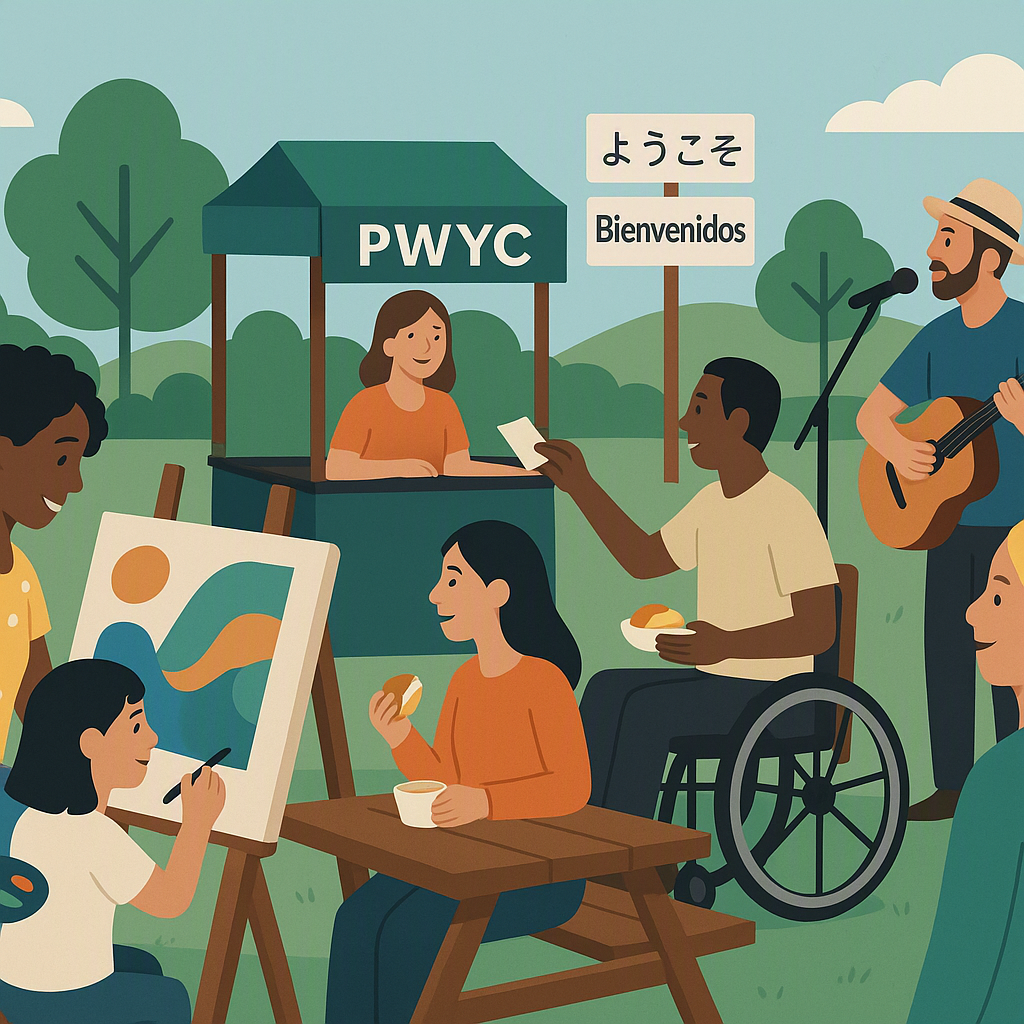
Take Pay What You Can (PWYC) pricing as an example. This model allows organizers to set suggested price points while enabling attendees to pay what they can afford. This removes financial barriers and opens the door for a broader audience to participate.
Why does this work? Because it puts power in the hands of attendees. Nobody feels pressured or excluded. And that translates to better ROI—more ticket sales, more members, more engagement.
Why 'Forced Fun' Survived So Long
The idea of forced fun hung around because it’s easy. It’s what everyone did. It’s what companies sold. Package deals for team-building retreats promised cohesion and productivity. But they rarely delivered.
And frankly, exclusionary planning survived because it’s convenient. It’s easier to set fixed ticket prices, ignore accessibility needs, and stick to cookie-cutter formats than to invest time in understanding your audience’s diverse needs.
What We Do Differently Now
Inclusive event design focuses on removing barriers and creating a welcoming environment for all attendees. For example, PWYC pricing isn’t just about affordability—it’s about giving people agency. Offering multilingual font support ensures that ethnic communities can use their native script. These features aren’t flashy, but they make a world of difference.
Another change? Using RSVP tracking to plan better. Many organizations still rely on outdated methods like spreadsheets and email chains to manage RSVPs. Real-time guest counts and capacity tracking can help planners adapt and avoid chaos.
What We’re Still Figuring Out
Even inclusive events aren’t perfect. For example, how do you balance equity with sustainability? PWYC pricing is great, but it’s not always viable for small organizations with razor-thin budgets.
And forced fun isn’t dead—it’s just changing form. Some planners still push overly curated experiences that feel just as awkward as karaoke nights. The challenge is knowing when to step back and let attendees shape the event themselves.
Final Thoughts
Forced fun is dead because nobody enjoys it, and it doesn’t work. Inclusion isn’t a buzzword—it’s a proven strategy for driving real event ROI. Inclusive features like PWYC pricing, multilingual fonts, and effective RSVP tracking make it easier to create events that resonate with diverse audiences.
If you’re tired of low engagement and alienated attendees, it’s time to rethink your approach.