Why I Was Wrong About Neuroinclusive Event Planning
Six months ago, if you'd asked me about neuroinclusive event spaces, I would've given you a blank stare. Or maybe I would've said something like, "That's great for corporate conferences, but community events don't need all that." I thought it was niche, expensive, and frankly, unnecessary for small organizations. Accessibility? Sure. But designing spaces for neurodivergent attendees? I didn’t think it was a priority.
What Changed My Mind
Then I read about thestudio joining Welcome Brain’s Neuroinclusive Venue Accreditation program. If you haven’t heard of it, Welcome Brain is a certification aimed at creating spaces where neurodivergent people—those with autism, ADHD, dyslexia, and similar conditions—can feel comfortable and included. It’s practical, not just theoretical. They look at lighting, sound levels, signage, quiet spaces, and even how staff interact with attendees. Source: Welcome Brain
What stopped me in my tracks was a stat mentioned in a 2025 report by the UK Office for National Statistics showing that nearly one in seven people identify as neurodivergent. That’s not niche. That’s a significant chunk of every community. Whether you're hosting a cultural festival, a sports event, or a local fundraiser, odds are good that some of your attendees will be neurodivergent—and many of them likely struggle in environments not designed with their needs in mind.
Why I Was Stubborn About It
Looking back, I think my reluctance boiled down to a few things:
- Perceived Complexity: The idea of creating "neuroinclusive spaces" sounded like something requiring expensive consultants, high-tech designs, or big budgets.
- Lack of Complaints: I thought, "Our attendees seem fine—no one’s complained about sensory issues." But here's the thing: not everyone who’s uncomfortable speaks up. And those who don’t attend because your venue feels overwhelming? You’ll never hear from them.
- The "Good Enough" Trap: Community groups often operate on limited budgets, so we focus on the basics: getting people through the door, selling tickets, and covering costs. Anything beyond that feels like a luxury.
But the more I thought about it, the more I realized that neuroinclusive design isn’t just about making events better for some—it’s about making them better for everyone. Quiet spaces, clear signage, and adjustable lighting aren’t just helpful for neurodivergent attendees; they’re universally good design principles.
What I Do Differently Now
Here’s the thing: I didn’t suddenly develop a huge budget or hire a specialist. Instead, I started making small, deliberate changes.
Steps I’ve Taken:
-
Clearer Communication
- Tools like CommunityTix’s event description editor now allow us to include details like whether the venue has quiet spaces, what kind of lighting and sound to expect, and whether staff are trained in neuroinclusive practices.
- Pro Tip: Use bullet points in event descriptions to list neuroinclusive features explicitly. For example:
- Quiet room available.
- Low-sensory seating zone.
- Staff trained in neurodivergence awareness.
-
Flexible Ticket Pricing
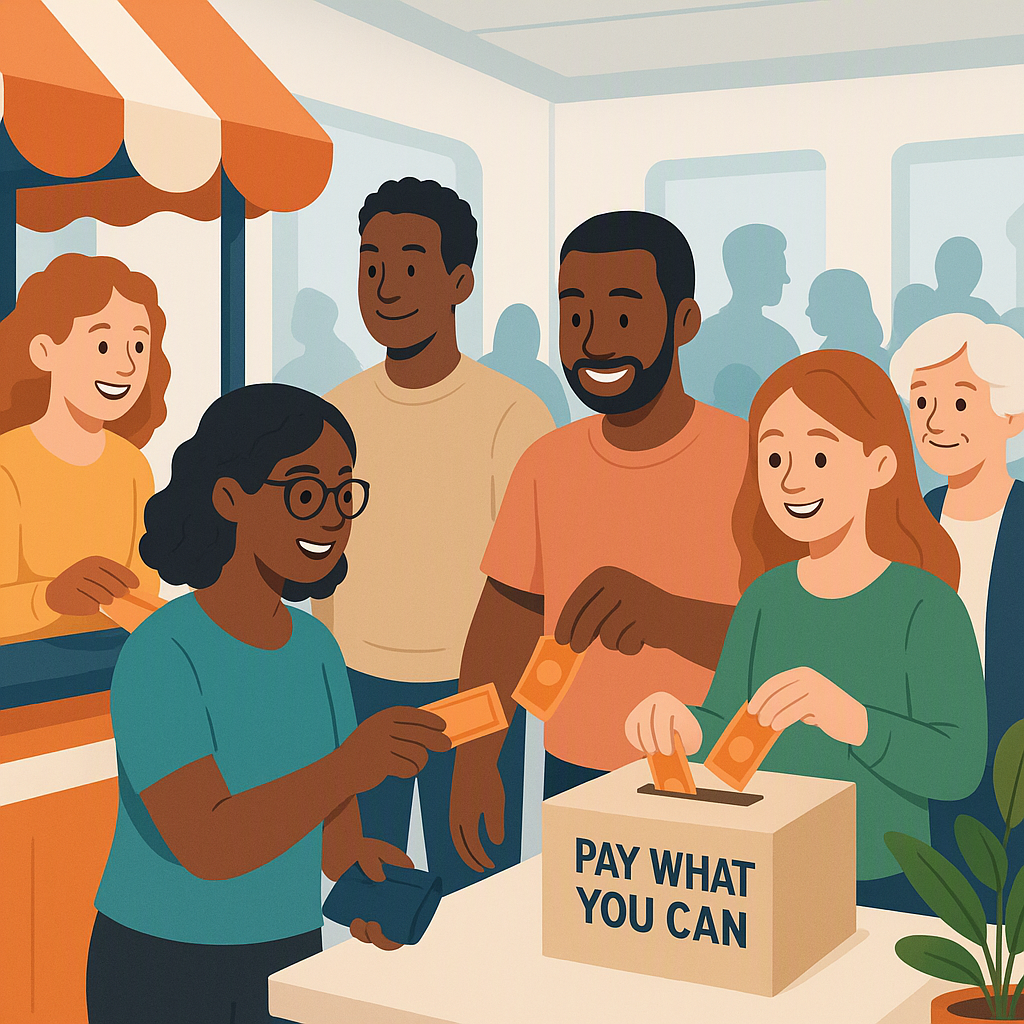
- CommunityTix’s "Pay What You Can" (PWYC) feature has been a game-changer. By offering three suggested pricing tiers and allowing custom amounts, we’ve made our events more accessible to families with neurodivergent members who often face additional costs for therapy, schooling, or care.
- Actionable Tip: Include a short explanation of how PWYC works in your ticketing description. Transparency encourages participation and reduces stigma.
-
Multilingual Accessibility
- CommunityTix supports accessible fonts like Noto Sans, which accommodate languages such as Bengali, Mandarin, and Arabic. Translating event details into multiple languages ensures that neurodivergent attendees from diverse backgrounds can access event information without additional stress.
- Quick Tip: Even if you can’t translate all materials, focus on the most critical pieces—like the event schedule or map.
-
Feedback Loops
- After each event, we send out automated surveys using CommunityTix. These surveys ask attendees what worked and what didn’t, and we’ve received positive mentions about neuroinclusive features, like quiet spaces or the ability to reserve seating in advance.
- Actionable Tip: Include a specific question about neuroinclusive features in your post-event surveys. Example: "Did the quiet space meet your needs? If not, why?"
-
Partnering with Accredited Venues
- Working with venues that are part of the Welcome Brain accreditation process has been a huge win. For example, one venue replaced harsh fluorescent lighting with softer, diffused lighting. The improvement in attendee comfort was immediate and noticeable.
What It Cost Me to Be Wrong
Here’s the hard part: I realize now that I likely alienated people without even knowing it. How many potential attendees looked at our events and thought, "That sounds like a nightmare for me or my child"? How many families decided our events weren’t worth the stress? It’s impossible to know the full impact, but I can’t help but wonder about the connections we missed out on.
And then there’s the opportunity cost. Neuroinclusive spaces are more appealing to everyone. They send a message that your community is thoughtful, welcoming, and inclusive. They create good PR, they encourage repeat attendance, and—let’s be honest—they boost ticket sales. By dismissing neuroinclusive design, I was leaving money on the table.
What I’m Still Figuring Out
-
Venue Limitations:
- It’s hard to find venues that meet every neuroinclusive criterion. Even accredited spaces sometimes miss the mark.
- Tip: Create a checklist to assess venues during site visits. Include items like lighting, acoustics, and available quiet areas.
-
Balancing Inclusivity with Budget:
- Noise-cancelling headphones or sensory kits are helpful, but they can be expensive.
- Solution: Partner with local organizations or sponsors who might subsidize these items. Alternatively, consider a refundable deposit system for lending out equipment.
-
Staff Training:
- We’re still working to ensure all event staff are trained in neurodivergence awareness. This can be a challenge when working with volunteers.
- Tip: Offer short, free online training modules upfront. Platforms like Neurodiverse Workplace offer practical resources for training.
Comparison Table: Standard vs. Neuroinclusive Event Planning
| Feature | Standard Event Planning | Neuroinclusive Event Planning |
|---|---|---|
| Lighting | Default fluorescent lighting | Diffused, warm lighting options |
| Noise Levels | Loud, uncontrolled | Monitored, quieter environments |
| Signage | Generic, text-heavy | Clear, high-contrast with visuals |
| Spaces for Overwhelm | None | Designated quiet zones |
| Staff Training | Basic event operations | Neurodivergence awareness |
Final Thoughts
If you’re a community organizer wondering whether neuroinclusive design is worth it, I’ll say this: it is. Start small. Add a quiet space to your next event. Use the tools you already have—like CommunityTix—to communicate better and offer flexibility where it matters. You don’t need to overhaul everything overnight. Small, thoughtful changes can make a big difference.
If you're dealing with event accessibility challenges, CommunityTix can help. Get started free →