The Meetings Show: A Buzzword for Nonprofits
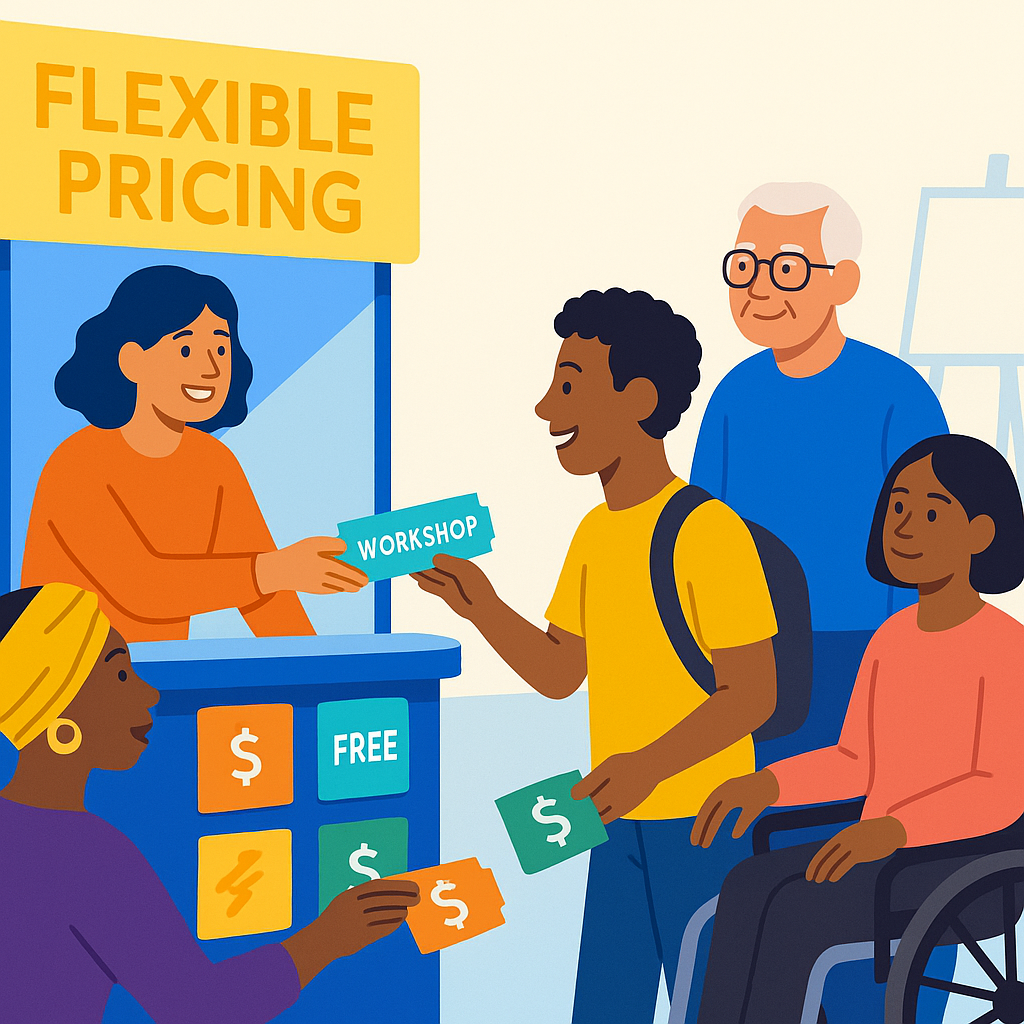
What’s generating the biggest buzz ahead of The Meetings Show? For nonprofits, one answer is clear: flexible event pricing. It’s not just trendy—it’s practical. Pay What You Can (PWYC) models are gaining traction, especially for equity-focused events. Why? Because they break down financial barriers and make community participation accessible.
Why Traditional Ticketing Models Are Outdated
Traditional ticketing models rely on fixed pricing, which often creates unnecessary barriers for nonprofits. These rigid systems are exclusionary and fail to account for the financial diversity of the communities nonprofits serve.
The Problem with Fixed Pricing
Let’s break this down:
-
Excluding Lower-Income Attendees: A fixed ticket price might make an event inaccessible for someone who genuinely wants to attend but can’t afford the cost. For instance, a $50 ticket for a fundraising dinner could be out of reach for many, especially in underserved communities. When people feel priced out, nonprofits lose the opportunity to engage them and further their mission.
-
Leaving Money on the Table: On the flip side, wealthier attendees who are willing to pay more are stuck at the same fixed price. Nonprofits miss the chance to collect additional revenue from those who have the means to contribute more generously.
-
High Platform Fees: Ticketing platforms like Eventbrite often charge up to 10% of the ticket price as fees. For a $50 ticket, that’s $5 gone per attendee. For small to mid-sized nonprofits, these fees add up quickly, cutting deeply into the funds they raise. According to CommunityTix, nonprofits can lose thousands of dollars annually to platform fees alone, forcing them to cut corners in other areas.
Why PWYC is Different
Pay What You Can (PWYC) pricing flips the script by giving attendees the freedom to contribute what they can afford. This flexibility not only removes financial barriers but also fosters a sense of trust and goodwill within the community. People feel valued when given the choice to decide their contribution.
How CommunityTix Enables Flexible Pricing
Implementing PWYC models might seem complicated, but tools like CommunityTix make it straightforward. Their platform is designed specifically for nonprofits and includes features tailored for flexible pricing.
Key Features of CommunityTix PWYC Tools
- Suggested Price Points: You can set up to three suggested ticket prices to anchor attendee contributions. For example, you might offer $10, $25, and $50 tiers.
- Custom Payment Option: Attendees can enter a custom amount if they want to contribute more (or less) than the suggested levels.
- Revenue Tracking: The platform provides detailed analytics, breaking down contributions by price point. This helps you understand attendee behavior and refine your pricing strategy for future events.
Actionable Steps to Implement PWYC
Here’s how you can get started:
- Understand Your Audience: Research your community’s financial capacity. Send out surveys or analyze past event data to gauge what people are willing to pay.
- Set Meaningful Tiers: Choose suggested price points that reflect the diversity of your audience. For example, $10 might be an entry-level price, while $50 appeals to more affluent supporters.
- Communicate Clearly: On your event page, explain how PWYC works and where the funds go. Transparency builds trust and encourages generosity.
- Use Tools Like CommunityTix: Platforms like CommunityTix simplify the logistics, from setting up price tiers to tracking revenue.
Real Benefits for Nonprofits
Flexible pricing isn’t just about fairness—it’s a strategic move that can improve your event’s outcomes across the board.
Higher Attendance
By lowering financial barriers, PWYC models attract a broader audience. More attendees mean more engagement and a greater opportunity to spread your nonprofit’s message. For example, a community art workshop priced at $50 might attract only a dozen participants, but a PWYC model could double or triple that number.
Stronger Community Relationships
PWYC fosters goodwill and demonstrates that your organization values inclusivity. Attendees appreciate having the autonomy to decide how much they contribute, and this often leads to stronger connections with your cause.
Financial Sustainability
While some worry that PWYC might hurt revenue, research shows that most people tend to pay at or above suggested price points. This is because people are naturally inclined to support causes they care about, especially when the event is meaningful to them.
Reduced Fees
Platforms like CommunityTix eliminate ticketing fees, helping nonprofits save significant amounts on event costs. For example, small organizations can save an average of $318 per event by switching to zero-fee ticketing options. Learn more.
Common Objections—and Answers
When considering PWYC, nonprofits often have valid concerns. Let’s address some of the most common objections:
Objection 1: “Won’t PWYC hurt our bottom line?”
Not likely. Suggested price points act as anchors, guiding attendees toward reasonable contributions. Studies show that most people gravitate toward the middle tier or pay slightly above. For example, if your tiers are $10, $25, and $50, many attendees will choose $25, while others will opt for $50 or more.
Objection 2: “This sounds complicated.”
It’s not. Tools like CommunityTix are designed to make PWYC events simple to set up. Their user-friendly dashboard allows even non-technical staff to create events, set price tiers, and track revenue within minutes.
Objection 3: “What if people abuse the custom payment option?”
In practice, this rarely happens. Most attendees are honest and supportive of community-driven initiatives. If you’re concerned, you can add a note explaining that higher contributions help subsidize tickets for those who can’t pay as much.
What to Watch For
While PWYC is a great fit for many events, it’s not a one-size-fits-all solution. Consider these factors:
-
Event Type: For high-cost events like gala dinners, fixed pricing might still be necessary to cover expenses. However, for fundraisers, workshops, and cultural festivals, PWYC is a game-changer.
-
Transparency: Be upfront about how contributions will be used. A simple message like, "Your payment helps fund our mission to [insert mission here]," can encourage more generous giving.
-
Testing and Iteration: Start small. Try PWYC for one event and analyze the results. Use the data to adjust your strategy for future events.
FAQ
1. How do I decide on suggested price points?
Start by understanding your audience. Review past attendance data, survey your community, or look at ticket prices for similar events. A good rule of thumb is to set three tiers: a low-tier option for accessibility, a mid-tier option for the majority, and a high-tier option for your most generous supporters.
2. Can PWYC work for virtual events?
Absolutely. Virtual events typically have lower overhead costs, making PWYC even more feasible. For example, a virtual workshop with no venue or catering expenses can easily accommodate a PWYC model.
3. How do I track revenue with PWYC?
Platforms like CommunityTix provide detailed reporting tools. These allow you to see how much revenue came from each price point and analyze attendee behavior. This data is invaluable for planning future events.
4. What if attendees abuse the custom payment option?
In reality, this is rare. Most people are honest and want to support nonprofits. You can mitigate this by clearly explaining how contributions are used and encouraging attendees to pay what they can afford.
5. Does PWYC impact sponsorships?
Not negatively. In fact, sponsors often appreciate the inclusivity of PWYC events because it aligns with their corporate social responsibility (CSR) goals. Highlighting your inclusive pricing model can even help attract new sponsors.
Comparison Table: Fixed Pricing vs. PWYC
| Feature | Fixed Pricing | Pay What You Can (PWYC) |
|---|---|---|
| Accessibility | Limited to those who can pay fixed price | Open to a broader audience, regardless of financial means |
| Revenue Potential | Limited by fixed ticket price | Flexible, with potential for higher contributions |
| Ease of Setup | Straightforward but inflexible | Requires initial setup but offers more flexibility |
| Community Impact | May alienate lower-income attendees | Builds goodwill and fosters inclusivity |
| Platform Fees | Often high (e.g., Eventbrite) | Reduced or zero fees with platforms like CommunityTix |
Final Thoughts
Flexible pricing is more than a buzzword. It’s a practical solution for nonprofits aiming to boost attendance, engagement, and financial sustainability. By adopting a PWYC model, organizations can expand their reach, strengthen community relationships, and reduce reliance on high-fee ticketing platforms. If your nonprofit is ready to embrace this equitable approach, CommunityTix offers the tools and support you need to make it happen.