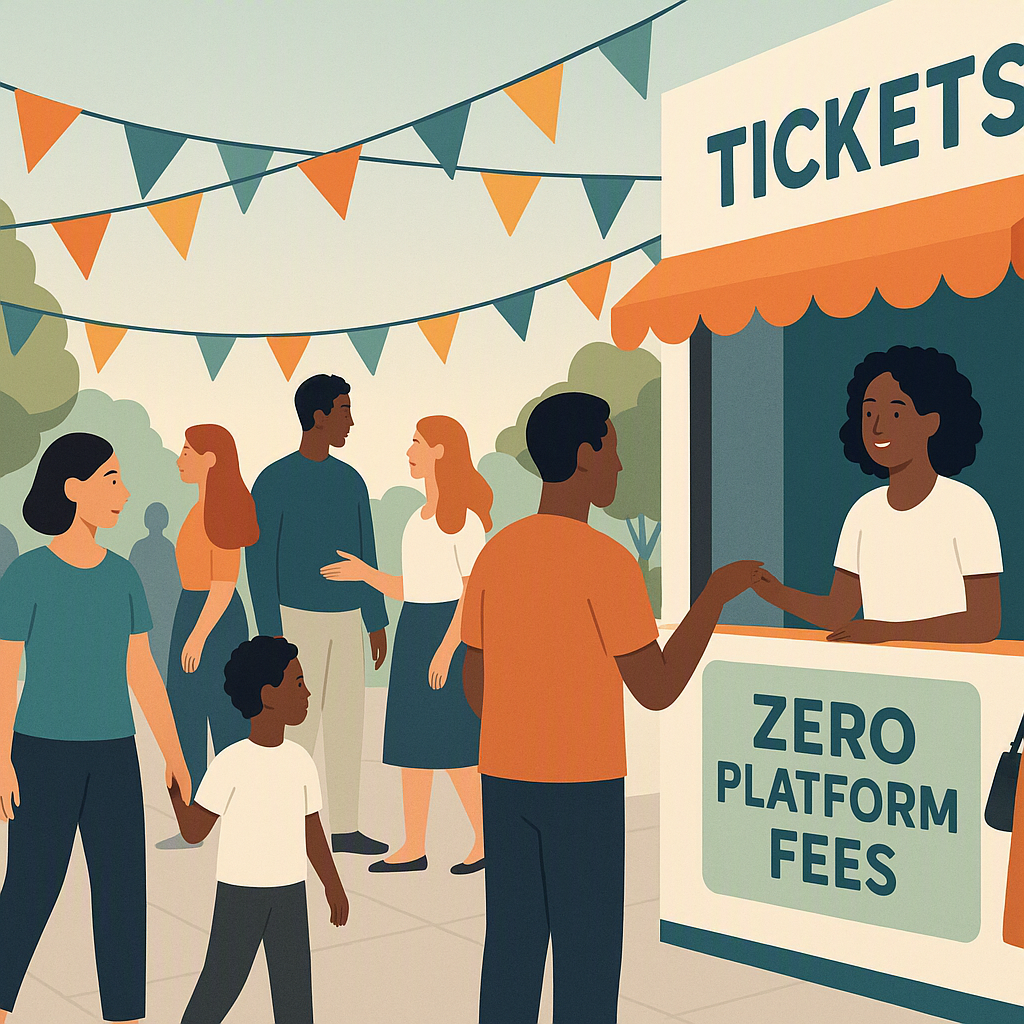
Why I Changed My Mind About Pop-Up Event Venues for Community Events
I used to think pop-up event venues were a vanity project for big brands and Instagrammable pop-ups. They seemed like a fad — flashy, temporary, expensive, and totally impractical for the kind of work community centres, cultural associations, and non-profits do. Why would a volunteer-run club even consider something so... ungrounded? Rent a hall, set up some folding chairs, and move on, right?
But I was wrong.
Here’s what changed my perspective: A small arts non-profit I worked with last year needed to host their annual cultural festival. Their usual venue — a local school gym — was booked solid. They were scrambling for alternatives when someone suggested a pop-up space. Initially, they laughed it off. Then they got desperate enough to look into it.
They ended up using a pop-up venue in an underused city park. A simple, modular tent structure with flexible walls and lighting options. It cost them less than the gym they’d been renting in previous years. And it gave them something they hadn’t realized they were missing: flexibility.
Why Pop-Up Venues Work for Community Events
Pop-up venues aren’t just for flashy corporate launches or food trucks anymore. They’re becoming a practical option for community organisations, especially those struggling with tight budgets, unpredictable schedules, and limited access to permanent spaces. Here’s why:
1. Location Flexibility
Pop-up venues can go where your audience is. Hosting a cultural workshop in a neighborhood park? Perfect. Need to set up near a community food drive? Done. Traditional venues tie you to their location. Pop-ups adapt to yours.
Actionable Steps:
- Scout public spaces in your target area, such as parks, plazas, or unused parking lots. These are often underutilized but ideal for pop-ups.
- Check local regulations for temporary structures. Permits might be required, but many municipalities have streamlined processes for community events.
2. Customizable Sizes
Unlike fixed venues that might feel cavernous or cramped, many pop-up setups are modular. You can shrink or expand them based on how many people actually RSVP. With platforms like CommunityTix’s RSVP tracking feature, you can even adjust your setup based on real-time data.
Actionable Steps:
- Work with vendors who provide modular systems. These allow you to adjust the size of the venue with minimal extra cost.
- Use RSVP tracking tools to estimate attendance more accurately. Plan for about 10% over your confirmed numbers to account for walk-ins.
3. Cost Savings
Surprising but true: renting a pop-up structure can be cheaper than a permanent venue. Plus, you avoid all the hidden fees (insurance, cleaning, storage) that traditional venues tack on. And if you’re a CommunityTix user, you’re already saving on ticketing fees — so why not reinvest some of that back into a flexible, on-the-go venue?
Actionable Steps:
- Compare quotes from both traditional venues and pop-up providers. Make sure to include setup/teardown costs in your calculations.
- Check whether your local government or non-profit networks offer grants for using temporary spaces in public areas.
4. Weather-Proofing
Modern pop-ups aren’t just flimsy tents. Many are designed with durable materials that can handle rain, wind, or even snow. This opens up outdoor spaces that were previously off-limits for events.
Actionable Steps:
- Look for vendors offering structures with waterproof materials, wind ratings, and insulated walls.
- Consider seasonal weather patterns in your area. If rain is likely, invest in drainage mats or elevated flooring.
What I Got Wrong
So why did I dismiss pop-up venues for so long? Partly, I think it was snobbery. I assumed they were too “commercial” for the grassroots, community-focused work we do. I also underestimated how versatile they’d become. Pop-ups used to be basic — a canopy with no sides. Now, they’re professional-grade, with soundproofing, lighting options, and even built-in flooring.
Another reason? I didn’t understand how chaotic event planning is for small organisations. I’ve seen volunteer teams juggling spreadsheets, Google Docs, and WhatsApp threads just to pull off a single event. Pop-ups reduce some of that chaos. They let you adapt to last-minute changes without losing your deposit or scrambling for a backup venue.
Common Pitfalls and How to Avoid Them
If you’re considering a pop-up venue for your next community event, here are a few things to watch out for:
| Mistake | How to Avoid It |
|---|---|
| Underestimating Setup Time | Allocate at least 2-3 hours for setup and teardown, plus a team of 4-6 volunteers. |
| Ignoring Permits | Contact your local council early to understand permit requirements. |
| Skipping Insurance | Ensure your pop-up provider includes liability insurance or secure your own. |
| Overestimating Capacity | Use RSVP tools to keep attendance within safe limits for the structure. |
FAQs
Q: Are pop-up venues only for outdoor events?
A: Not at all. Many pop-ups work indoors too. For example, if you’re hosting a fair in a large community hall, pop-up stalls can help segment the space and create a more organized flow for attendees.
Q: How do I budget for a pop-up venue?
A: Costs vary depending on size and features. Start small and scale up as needed. Always account for setup, teardown, and any necessary permits. If you’re hosting multiple events, consider purchasing your own modular system for long-term savings.
Q: Can I use a pop-up venue for recurring events?
A: Absolutely. Some organisations even invest in their own pop-up structures for recurring use. While it’s an upfront cost, it pays off over time, especially if you host events frequently.
Q: What kind of permits might I need for a pop-up event?
A: This depends on your location, but common permits include temporary structure permits, noise permits (if you’ll have amplified sound), and public space use permits. Contact your local council for specifics.
Q: Can pop-ups handle bad weather?
A: Many modern pop-ups are designed to withstand rain, wind, and moderate snow. Always confirm with your provider about weather ratings and consider adding accessories like sidewalls or heating elements for extreme conditions.
What I’m Still Unsure About
I’ll admit, I’m not 100% sold on pop-ups for every type of event. For example, high-end galas or formal dinners might not translate well to a temporary setting. And while pop-ups are great for flexibility, they do require more logistical planning upfront. You can’t just show up and expect everything to work.
But for grassroots events — the kind where budgets are tight and attendees are diverse — pop-ups are a game-changer. They let you meet your community where they are, instead of dragging them to a fixed venue.
If your organisation is tired of rigid venues and high platform fees, CommunityTix can help. From RSVP tracking to PWYC pricing, we make it easy to adapt to your community’s needs. Get started free →